EU leaves door open to sanctioning Russia’s Patriarch Kirill, but not yet
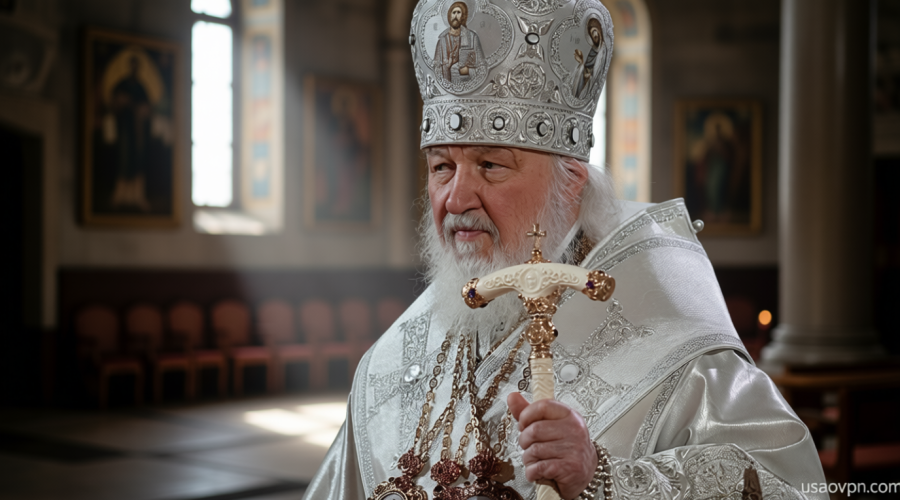
EU leaves door open to sanctioning – The European Union has opted to delay the imposition of sanctions on Patriarch Kirill, the influential leader of Russia’s Orthodox Church, following a shift in Hungary’s political stance. While the new Hungarian government has signaled its willingness to support such measures, it has not yet taken the step to include Kirill in a targeted list. This decision comes amid ongoing discussions about how to escalate pressure on Moscow, with the EU aiming to streamline the process ahead of a key foreign affairs ministers’ meeting in June.
Context of the Sanctions Debate
Kirill, a prominent figure in Russian religious and political life, has long been a subject of debate due to his alignment with the Kremlin’s narrative in the war in Ukraine. Under his leadership, the Russian Orthodox Church endorsed a document that framed the invasion as a “Holy War” and called for the eradication of Ukrainian independence. Critics argue that Kirill’s actions have been instrumental in shaping public sentiment in Russia, reinforcing the justification for the conflict through ideological means.
Despite these accusations, the EU has not yet moved forward with sanctions against Kirill. The current draft of a “mini package” under consideration in Brussels focuses primarily on individuals associated with Moscow’s military-industrial complex, leaving Kirill’s name out of the initial proposals. Diplomats have indicated that the decision to exclude him is strategic, aiming to avoid unnecessary delays in securing agreement among all member states.
Hungary’s Shift in Policy
The recent change in Hungary’s leadership has opened new possibilities for EU-wide sanctions. Prime Minister Péter Magyar, who assumed power after Viktor Orbán’s defeat in April 2026, has pledged to align Hungary more closely with Brussels. This contrasts sharply with his predecessor’s approach, which had previously blocked similar measures. The new government has emphasized its desire to cooperate with EU initiatives, particularly those targeting Russia’s influence in the region.
Magyar’s administration is keen to demonstrate a departure from Orbán’s policies, including his use of veto power to resist sanctions. This shift is seen as a critical opportunity for the EU to advance its agenda without facing resistance from Hungary, a key player in the bloc. However, the decision to leave Kirill off the list reflects a cautious approach, as officials remain concerned about potential backlash from the Hungarian public.
The Mini Package and Its Scope
The proposed “mini package” of sanctions is currently in its early stages, with diplomats in Brussels working to finalize details. This targeted measure aims to address specific individuals and entities linked to Russia’s military efforts, rather than sweeping across all sectors. By narrowing the focus, the EU hopes to secure quicker approval, which is essential for maintaining momentum in its response to the ongoing conflict.
Although Kirill is not included in this first draft, his exclusion does not signal a permanent absence from the sanctions discussion. Officials have noted that his inclusion could complicate the approval process, as his religious status might lead to broader debates about the EU’s role in cultural and spiritual matters. The diplomatic discussions, which began on Friday, have highlighted the need for a balanced approach that combines political pressure with respect for national sovereignty.
Broader Implications for the 21st Package
The focus on the “mini package” is expected to serve as a precursor to the more comprehensive 21st sanctions package. This upcoming initiative will likely encompass a wider range of targets, including figures with significant political and economic influence in Russia. The EU’s goal is to present the legislation by next month, with the expectation that it will be finalized in July. This timeline underscores the urgency of the situation, as the bloc seeks to impose stricter measures on Moscow.
While the current proposal is seen as a stepping stone, its limited scope means it may not fully address the complexities of Russia’s involvement in the war. The 21st package is anticipated to include not only religious leaders like Kirill but also individuals connected to Russia’s energy sector, financial institutions, and propaganda networks. This broader approach would allow the EU to exert greater pressure on the Kremlin while avoiding the political friction that has characterized past efforts.
Historical Perspective on EU-Sanctioning Efforts
The EU’s attempt to sanction Kirill dates back to 2022, when the first proposal was introduced. At the time, Hungary, led by Orbán, opposed the move, arguing that it infringed on religious freedom. Orbán’s government had actively used its veto to block the inclusion of Kirill in the initial sanctions list, a stance that drew criticism from other member states. However, his defeat in April 2026 has created a window for the EU to reconsider its position.
Magyar’s government has positioned itself as a potential ally in this effort, emphasizing its commitment to fostering collaboration with Brussels. This contrasts with Orbán’s more assertive approach, which had often prioritized national interests over EU-wide consensus. The new administration has also signaled a willingness to support measures that target the war in Ukraine, as long as they do not jeopardize Hungary’s economic stability.
Quotes and Perspectives
“Sanctions which would undermine Hungary’s economic stability are an absolute no-go,” said Márton Hajdu, a close ally of Magyar and chair of the Hungarian parliament’s foreign affairs committee. “But in cases where the previous government used the power of the Hungarian State to cut private deals, I expect the new government not to block joint EU efforts at increasing the pressure on Russia to end this war.”
Hajdu’s comments reflect the nuanced position of Hungary’s leadership, which is eager to support EU initiatives without causing domestic unrest. His statement highlights the delicate balance between aligning with Brussels and safeguarding national interests. The Hungarian government has also acknowledged the importance of the upcoming June meeting, where the EU will seek to reach a unified stance on the sanctions package.
Uncertainty and Future Steps
While the EU has kept the door open for sanctions against Kirill, it remains unclear whether a unanimous agreement will be reached. The lack of consensus could delay the process, forcing officials to revisit the proposal in future discussions. This uncertainty underscores the challenges of harmonizing diverse national priorities within the bloc.
As the EU prepares for its next steps, the focus will shift to the 21st sanctions package, which is expected to be more extensive and require prolonged negotiations. This package will likely address a broader spectrum of Russian activities, including its influence on neighboring countries and its economic ties. The success of this initiative will depend on the ability of member states to overcome lingering disagreements, particularly those tied to Hungary’s changing stance.
In the meantime, the EU continues to monitor the situation closely, aware that Kirill’s inclusion in future sanctions could have significant implications. His role as a spiritual leader and political strategist makes him a powerful figure, and any decision to target him will require careful consideration. The upcoming months will be crucial in determining whether the EU can achieve the desired level of unity and effectively implement its measures against Russia.