EU Commission to Develop Diversification Instrument, Von Der Leyen Says
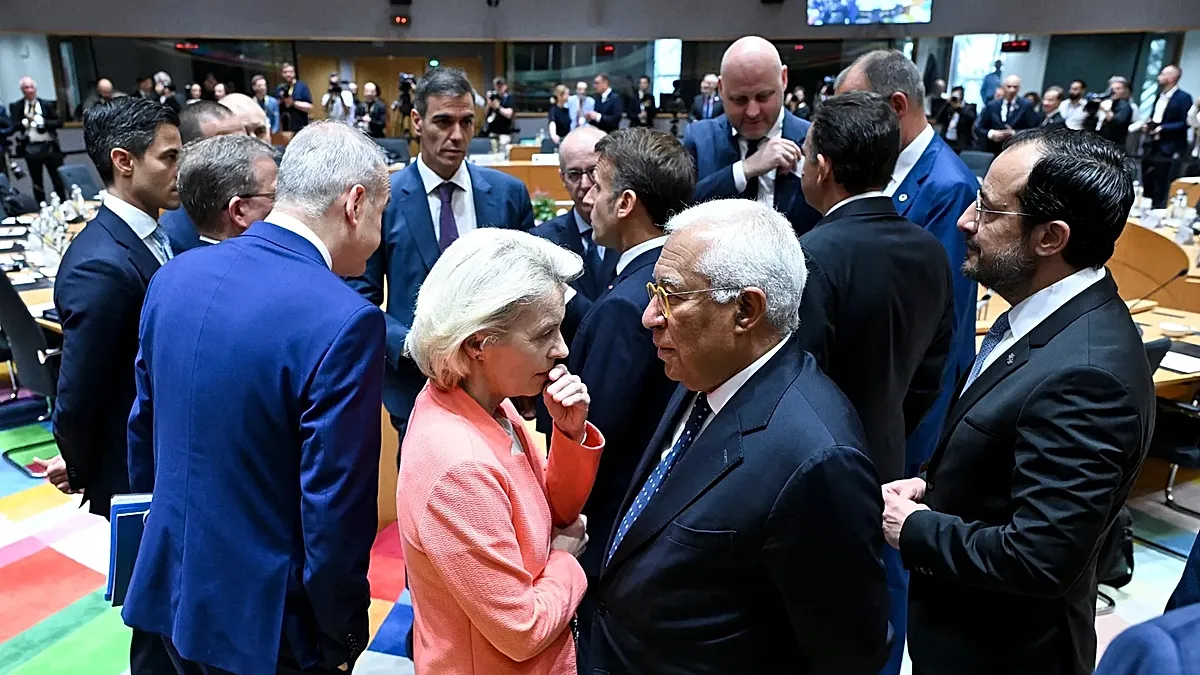
EU Commission to develop diversification instrument – The European Commission is set to introduce novel mechanisms aimed at mitigating macroeconomic disparities, particularly the expanding and “unsustainable” trade imbalance with China. In a press conference following the European Council summit, President Ursula von der Leyen outlined the plan, emphasizing the need for a more strategic and proactive approach to protect European interests. She highlighted that while the bloc has already constructed a comprehensive toolkit in recent years, its current application has been inconsistent. “We must now leverage this arsenal more decisively,” von der Leyen stated, stressing the importance of addressing trade imbalances without undermining long-term partnerships.
A Strategic Shift in Trade Policy
During the summit, von der Leyen reiterated that the EU’s response to China’s economic influence requires both unity and agility. She noted that EU leaders have demonstrated a shared commitment to a coordinated strategy, even as they acknowledge the necessity of maintaining dialogue with Beijing. “The current situation demands a European reaction,” she said, while underscoring that conversations with China remain vital for stabilizing bilateral relations. This dual focus reflects the complex balance the bloc must strike between asserting economic independence and preserving diplomatic ties.
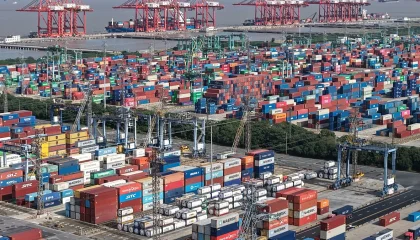
“Our strategy is clear: de-risking, not decoupling, while we engage in dialogue,” said António Costa, European Council President, at the same event. “But we need to address the challenges we are facing. €1 billion in trade deficit per day is simply unsustainable. We cannot continue to raise these issues without any concrete results.”
Costa’s remarks underscore the urgency of the EU’s efforts. The €1 billion daily deficit, which has grown over the past decade, has become a central point of contention. While the Commission has not yet set a timeline for presenting these new tools, officials suggest the State of the Union address, delivered annually in September, could serve as the platform. This event, which outlines the EU’s strategic priorities, is viewed as an opportune moment to unveil measures that align with broader economic goals.
Country-Agnostic Approach to Diversification
The diversification instrument, a key component of the proposed strategy, is designed to be adaptable across different nations and sectors. According to von der Leyen, this tool would enable European firms to reduce reliance on critical components sourced from a single or limited number of countries, thereby avoiding vulnerabilities that could be exploited in geopolitical conflicts. “Supply chain diversification has not kept pace with the demands of today’s global economy,” she explained. “This instrument will help companies in targeted industries mitigate risks more effectively.”
Early reports suggest the plan would compel businesses to distribute their supply chains more evenly, reducing dependency on specific regions. This approach is intended to create resilience against disruptions, such as those caused by trade restrictions or political tensions. By focusing on sectors most exposed to China’s influence, the EU aims to safeguard its industrial base while maintaining flexibility in international relations. The details of the instrument, however, remain under development, with officials awaiting further refinements before finalizing its implementation.
Member States’ Diverging Priorities
Despite the Commission’s push for a unified stance, not all member states share the same level of enthusiasm for aggressive trade policies. Germany, for instance, remains heavily reliant on exports to China, making it cautious about measures that could destabilize its economic interests. Similarly, Spain has emerged as a key destination for Chinese investments, further tempering its support for stricter actions. Diplomatic sources have emphasized that these countries are wary of provoking a retaliatory response from Beijing, which has already signaled its readiness to counter EU initiatives.
France, by contrast, has been a vocal advocate for strengthening the EU’s trade defenses. President Emmanuel Macron highlighted the need for modernized tools to combat China’s market-distorting subsidies and overcapacity in sectors like steel and solar energy. “The Commission now has the mandate to act swiftly,” he said. “As soon as we detect unfair competition or problematic positions, we must respond with targeted measures to protect our interests.” This sentiment reflects France’s broader vision of positioning the EU as a competitive global player, even as it seeks to counterbalance China’s economic power.
“We want to modernize these [trade] tools, and the Commission now has the mandate to respond more quickly – to say that as soon as there is a suspicion of unfair competition, or when we see positions that pose problems, we must be able to react and protect,” Macron said at a press conference on Friday.
The proposed diversification strategy also aligns with the EU’s efforts to enhance its internal market. Leaders have called for reforms to boost economic competitiveness, ensuring that European industries can thrive in the face of global challenges. These reforms are seen as critical to the success of the new trade instruments, as they would strengthen the bloc’s ability to withstand potential backlash from China. “The pressure is high,” von der Leyen noted. “And if the pressure is high, the instrument will be used, because there is a need for it. The figures speak for themselves, and we have to rebalance them.”
Geopolitical Context and Future Implications
The decision to develop the diversification instrument comes amid a shifting global landscape, where the United States’ assertive trade policies have intensified competition with China. As Washington escalates its economic rivalry with Beijing, the EU is positioning itself to avoid being caught in the crossfire. This context has heightened the importance of maintaining open channels with China, even as the bloc seeks to reduce its exposure to trade imbalances. “Commercial relations may become even more crucial given the unpredictable behavior of the US government,” said a diplomatic source, emphasizing the need for a balanced approach.
While the instrument represents a step toward economic autonomy, its effectiveness will depend on the EU’s ability to maintain internal cohesion. Von der Leyen acknowledged that this remains a challenge, as member states have varying economic interests and strategic priorities. “Whether unity holds when push comes to shove is something we will continue to monitor,” she admitted. The success of the diversification tool will also hinge on its implementation, with officials anticipating both support and resistance from different quarters. For now, the focus is on ensuring that the EU’s strategy is both robust and adaptable, capable of addressing immediate concerns without compromising long-term partnerships.
As the European Council prepares to finalize its approach, the diversification instrument serves as a symbol of the bloc’s evolving trade policy. It marks a departure from previous reactive measures, signaling a more proactive stance in the face of global economic shifts. With the EU’s goal of reducing its reliance on China’s markets, the instrument aims to provide a framework for targeted action. However, the path to implementation will require careful negotiation, as the bloc navigates the delicate balance between competition and cooperation. The coming months will be crucial in determining how effectively the EU can achieve its objectives while maintaining its economic and diplomatic standing on the world stage.