EU Commission Approves Hungary’s Revised €10bn Recovery Plan at Magyar’s First EU Summit
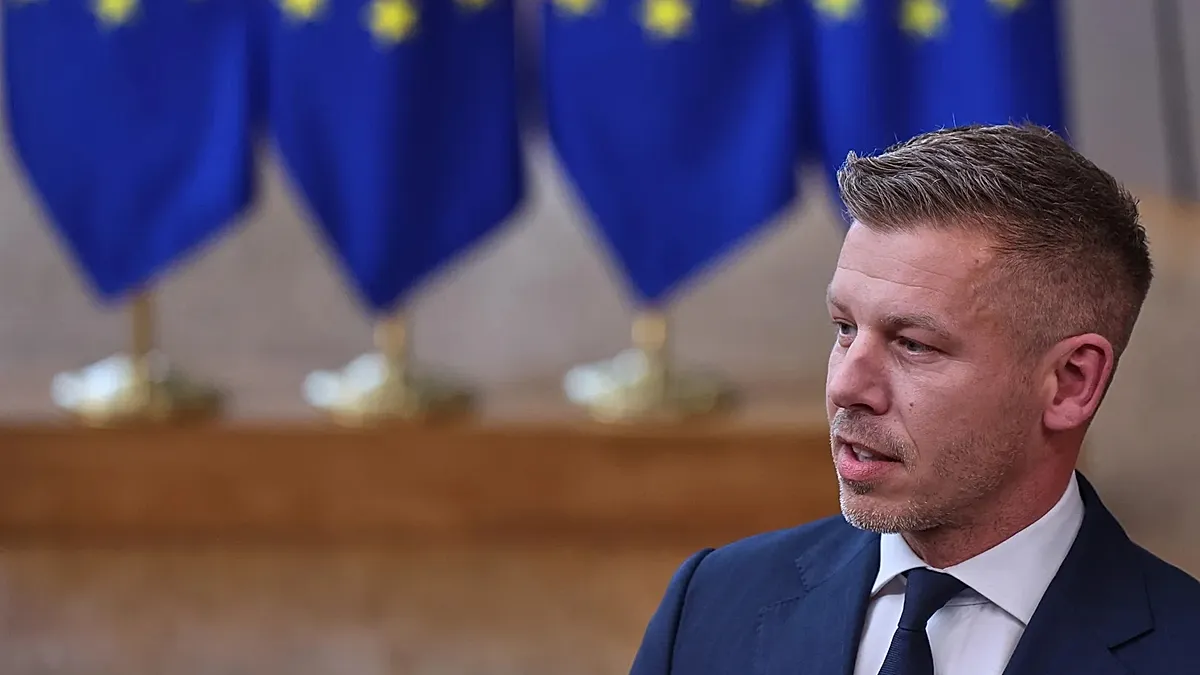
EU Commission approves Hungary s revised 10bn – During Péter Magyar’s inaugural European Union summit as Hungary’s new prime minister, the European Commission gave its green light to the country’s updated Recovery Plan, according to Euronews. This approval marks a pivotal moment in the nation’s financial strategy, as the plan aims to secure €10 billion in post-pandemic recovery funds. The revised proposal, which emerged after weeks of intense negotiations, is now a cornerstone of the government’s efforts to realign Hungary’s economic trajectory with broader European priorities.
Shift in Economic Priorities
The Hungarian government’s revised plan reflects a strategic shift from the policies of the previous administration. It emphasizes projects in transportation, energy, and housing—sectors that had been underdeveloped during Viktor Orbán’s tenure. These initiatives are designed to stimulate growth, create jobs, and address long-standing infrastructure gaps. However, the plan still requires unanimous approval from all EU member states in the Council before the full allocation of funds can proceed. This step is critical, as it ensures the financial support aligns with the bloc’s shared goals and oversight mechanisms.
Magyar’s government has outlined a series of ambitious targets to demonstrate its commitment to reform. Among these, 27 “super milestones” must be met by the end of August 2026. These milestones, which include metrics such as debt reduction, increased transparency in public spending, and progress on judicial reforms, are intended to reassure EU institutions of Hungary’s fiscal discipline and compliance with European standards. The Commission’s approval signals confidence in the plan’s structure, though the final decision rests with the Council’s consensus.
Revisiting Previous Agreements
In May, Magyar reached a key agreement with European Commission President Ursula von der Leyen, paving the way for the release of €16.4 billion in funds that had been frozen during Orbán’s leadership. The frozen funds were a result of concerns over corruption and the rule of law, which had led to Hungary’s exclusion from the EU’s recovery program. Magyar’s new administration has worked closely with the Commission to revise the plan, addressing these concerns and presenting a more transparent framework for fund allocation.
The revised plan was submitted to the EU just nine days ago, following months of back-and-forth discussions. This swift action highlights the urgency with which Magyar’s government seeks to rectify the financial situation. The updated document includes a detailed roadmap for the use of funds, with a focus on infrastructure development and public service modernization. These changes are seen as a necessary step to restore trust with EU partners and secure Hungary’s place in the bloc’s recovery initiatives.
Context of Political Change
Magyar’s ascent to the premiership came after a dramatic political shift in Hungary’s April parliamentary elections. His campaign centered on positioning Hungary as a more European-oriented nation, promising to address corruption allegations and streamline the country’s economic policies. The new government’s approval of the Recovery Plan underscores its commitment to these promises, aiming to reverse the economic stagnation that followed Orbán’s policies.
Orbán’s administration had been criticized for its opaque governance and resistance to EU reforms, which led to the suspension of funding. Magyar’s team has since worked to rebuild relationships with Brussels, emphasizing transparency and adherence to European values. The revised plan is not only a financial tool but also a political statement, signaling Hungary’s willingness to embrace EU standards and collaborate on shared objectives.
Broader Implications for the EU
The approval of Hungary’s Recovery Plan has broader implications for the EU’s cohesion and recovery efforts. It demonstrates the Commission’s capacity to work with member states that have previously resisted EU pressures, while also setting a precedent for future negotiations. For Hungary, the funds represent a lifeline for revitalizing its economy and addressing social challenges, particularly in sectors like transportation and housing.
Analysts note that the plan’s success will depend on Hungary’s ability to meet the 27 milestones, which require meticulous implementation and regular reporting. The European Commission has expressed hope that this revised approach will foster a more cooperative relationship with Hungary, allowing the country to reintegrate into the EU’s financial framework. The summit, held in June, provided a platform for this renewed dialogue, with Magyar’s government vowing to make Hungary a model of European integration.
Public and Political Reception
The revised Recovery Plan has been met with mixed reactions from both the public and political figures. While some celebrate the move as a breakthrough for Hungary’s economic recovery, others remain skeptical about the government’s ability to deliver on its promises. Critics argue that the plan’s focus on infrastructure may not address deeper structural issues, such as public debt or social inequality.
Despite these concerns, the Commission’s approval has been widely seen as a positive step. It highlights the EU’s commitment to supporting member states that are willing to adapt and reform. For Magyar, the achievement is a validation of his leadership and a crucial milestone in his campaign to steer Hungary back into the European mainstream. The plan’s final approval in July will be a test of the new government’s credibility and its ability to navigate the complex EU decision-making process.
As Hungary moves forward with its revised Recovery Plan, the focus remains on implementing the 27 milestones and maintaining momentum. The country’s ability to meet these targets will determine the success of its financial integration with the EU and its long-term economic stability. The first EU summit under Magyar’s leadership has set the stage for this endeavor, with the hope that Hungary’s renewed commitment will lead to sustainable growth and greater alignment with European values.
The European Commission’s decision to approve the revised plan is not just a financial one but a political signal. It underscores the importance of cooperation in the EU’s recovery efforts and sets a benchmark for other member states facing similar challenges. For Hungary, the path to full funding is clear, but the execution of the plan will be the true measure of progress. As the deadline approaches, all eyes are on Budapest to see whether the new government can deliver on its promises and secure the much-needed financial support.