Bulgarian Prime Minister Opposes EU Sanctions on Russia’s Patriarch Kirill
EU Struggles to Move Forward with Sanctions on Religious Leader
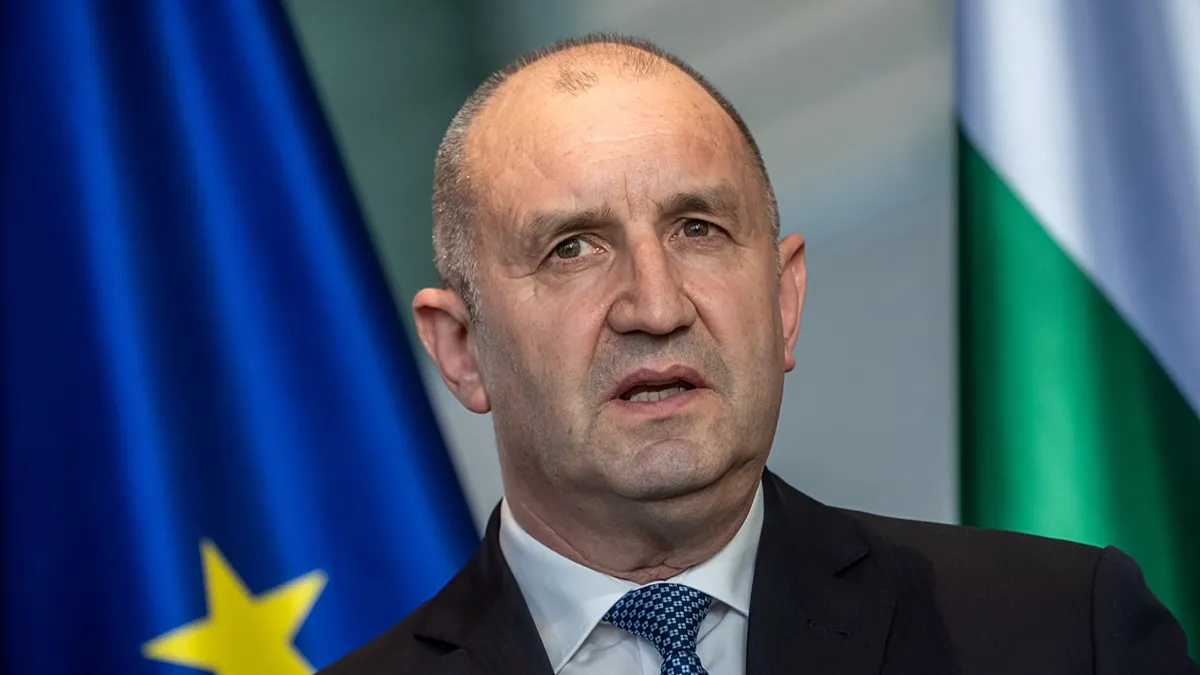
Bulgarian prime minister opposes EU sanctions – The European Union is encountering renewed challenges in implementing sanctions on Patriarch Kirill, the head of Russia’s Orthodox Church. Following Hungary’s decision to lift its long-standing veto, Bulgaria has now become the primary roadblock in the process, which requires unanimous agreement among member states. This development has sparked fresh debate about the extent of European unity in targeting religious figures. The opposition was formally declared by Bulgaria’s newly appointed prime minister, Rumen Radev, before his departure to Brussels for his inaugural EU summit. His stance underscores the complexity of balancing political and religious considerations in the bloc’s response to Russia’s actions in Ukraine.
“What message are we sending when we extend sanctions and war into the sphere of religion? Do we realise where this leads?” Radev told reporters in Sofia. “The era of the Crusades is over. I am not interested in the Russian Patriarch as an individual. I am interested in the fact that he is the head of the Russian Orthodox Church, which is Eastern Orthodox, just like our church. I am concerned about the millions of people who belong to that church.”
Radev’s comments reflect a broader concern within Bulgaria about the potential repercussions of sanctions on Kirill. While the European Union seeks to hold individuals accountable for actions perceived as supporting Russia’s invasion of Ukraine, some member states argue that targeting religious leaders could alienate communities that share the same faith. This sentiment is particularly strong in countries where the Eastern Orthodox Church holds significant cultural and historical sway. Bulgaria, alongside other Eastern European nations, is home to a large Orthodox population, making the issue both symbolic and practical.
The Russian and Bulgarian Orthodox Churches, though administratively independent and led by separate patriarchs, are deeply interconnected through shared traditions, beliefs, and historical ties. Their relationship is further strengthened by the fact that both are part of the larger Eastern Orthodox communion, which includes nations such as Ukraine and Greece. For Bulgaria, the Russian Orthodox Church is not just a religious institution but also a bridge to its cultural heritage, with many Bulgarians viewing it as a vital part of their national identity. Radev’s opposition to sanctions on Kirill is rooted in this understanding, emphasizing that the move could be seen as an attack on the very fabric of religious and cultural unity in the region.
Bulgaria’s stance aligns with its Foreign Minister, Velislava Petrova-Chamova, who has also voiced reservations about the sanctions. In a recent statement, Petrova-Chamova argued that the proposal to penalize Kirill would be primarily symbolic, despite its inclusion of measures like a travel ban and the freezing of EU-held assets. She contended that these sanctions “have no economic effect but rather have the potential to be counterproductive, because they create an environment in which anti-European propaganda can be carried out, specifically along the lines that Europe is interfering in church affairs.” This perspective highlights the risk of undermining the credibility of the EU’s actions by associating them with religious conflicts.
Kirill, a figure known for his political influence and controversial rhetoric, has been accused of promoting revisionist narratives to justify Russia’s war in Ukraine. Under his leadership, the Russian Orthodox Church approved a document that framed the invasion as a “Holy War” and called for the destruction of Ukrainian independence. Critics argue that these actions have deepened divisions between Eastern Orthodox communities and the EU, positioning the Church as a key player in shaping public opinion. However, supporters of the sanctions view Kirill’s role as essential to holding Russia accountable for its aggressive policies.
The EU’s push for sanctions on Kirill is part of a wider effort to isolate Russia economically and diplomatically. The bloc first attempted to include the patriarch in its sanctions list in 2022, but Hungary, led by then-prime minister Viktor Orbán, opposed the move, framing it as an issue of religious freedom. Orbán’s government had previously blocked similar proposals, citing concerns about the separation of church and state. This veto created a diplomatic standoff, with other EU members expressing frustration over Hungary’s resistance. The situation remained unresolved until last month, when the new Hungarian administration under Péter Magyar signaled its willingness to support the sanctions, prompting EU officials to swiftly act and add Kirill’s name to the latest list.
Radev’s opposition to the sanctions has raised questions about the EU’s ability to maintain unity in its response to Russia. While the bloc has largely aligned on economic penalties against Russian officials, disagreements over cultural and religious figures reveal deeper ideological rifts. Bulgaria’s position is seen as a test of whether Eastern European countries will prioritize political solidarity over cultural ties with Russia. The country’s decision to block the sanctions also reflects a broader trend of resistance to Western influence, with some governments in the region wary of overstepping into the domain of religion.
The controversy surrounding Kirill’s sanctions highlights the evolving role of religion in international politics. As the Russian Orthodox Church becomes increasingly entangled with the nation’s geopolitical strategy, its leaders are now targets of European diplomacy. This dynamic has led to accusations that the EU is using religion as a tool to exert pressure on Russia, potentially complicating relationships with Orthodox communities in the region. For Bulgaria, the stakes are high: the country risks being perceived as a pawn in a larger political game, while also safeguarding the interests of its own Orthodox population.
Despite the opposition, the EU’s decision to sanction Kirill signals a continued commitment to holding Russia accountable for its actions. The move is part of a strategy to widen the scope of sanctions beyond traditional political and military figures, targeting those who wield influence in shaping public sentiment. However, the effectiveness of these measures depends on how they are perceived by the public. If seen as a necessary step to uphold European values, the sanctions may gain support. If viewed as an overreach into religious affairs, they could fuel resentment and weaken the EU’s diplomatic leverage.
As the debate unfolds, the Bulgarian government’s position will be closely watched. The country’s ability to sway the EU’s stance could have implications for future discussions on sanctions and religious influence. Whether this resistance will be enough to halt the process remains uncertain, but it underscores the challenges of aligning political and religious priorities in a fractured international landscape. For now, Bulgaria’s opposition stands as a reminder that the fight against Russia’s actions is not just a battle of ideologies but also one of cultural and spiritual solidarity.