Expansion of Asian Tiger Mosquito in Germany
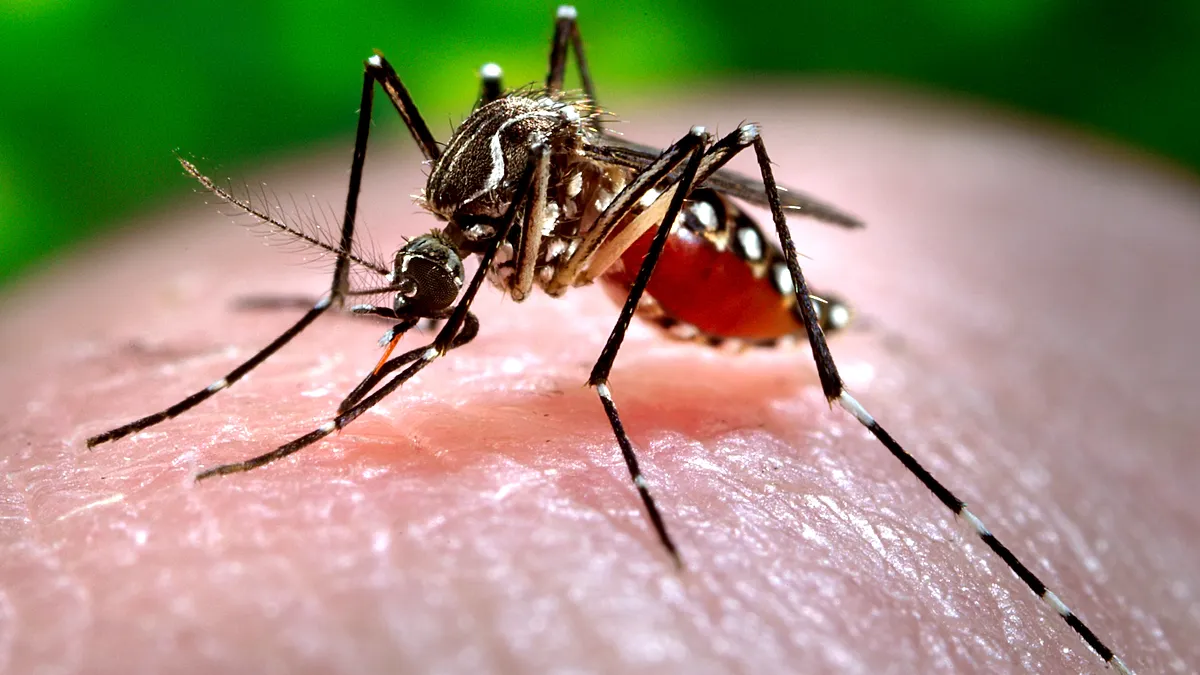
Asian tiger mosquito spreads as far – Germany is witnessing the arrival of a tropical species of mosquito, the Asian tiger mosquito, which is increasingly common in regions like North Rhine-Westphalia. Recent reports indicate that established populations have been confirmed in cities such as Bonn and Euskirchen, with the Rhein-Erft district also showing signs of its presence. Now, Cologne has joined the list, issuing warnings about the potential for the species to thrive in the coming months. The northernmost location where this mosquito has been documented is Berlin, marking a significant shift in its geographic range. This spread is not merely a regional concern but a growing national issue, as the insect adapts to new environments.
Climate Change and Urban Environments
The Asian tiger mosquito is well-suited to warm, humid climates, which aligns with Germany’s current weather patterns. Recent years have seen frequent rainfall interspersed with sunny, temperate days, creating ideal conditions for the species to multiply. In North Rhine-Westphalia, winters have grown milder, reducing the likelihood of cold-weather die-offs. These changes, linked to global warming, have allowed the mosquito to expand its habitat beyond traditional tropical zones. Scientists note that rising temperatures and altered precipitation levels contribute to the rapid proliferation of the insect, which now thrives in urban settings where standing water accumulates.
According to the Bernhard Nocht Institute for Tropical Medicine (BNITM), another key factor in the mosquito’s spread is the increase in international travel and global trade. These activities facilitate the transport of eggs and larvae across borders, enabling the species to establish itself in new areas. Since the 1990s, the Asian tiger mosquito has spread extensively across southern and central Europe, driven by both climate shifts and human activity. The combination of these factors has made Germany an attractive environment for the insect, which has been reported in multiple regions across the country.
Health Risks and Disease Transmission
The Asian tiger mosquito is more than just a nuisance; it poses a significant health threat by transmitting pathogens such as dengue and chikungunya viruses. While Germany has not yet seen confirmed cases of local transmission, experts warn that this is likely to change. The disease known as dengue, for instance, is a viral infection primarily found in tropical and subtropical regions. Symptoms typically emerge four to ten days after infection, including high fever, severe headaches, muscle and joint pain, and a characteristic rash.
“The infection is therefore also known as breakbone fever,”
a term that reflects the debilitating nature of the illness. Most patients recover within a few weeks, but in severe cases, complications like bleeding, circulatory failure, or severe dengue can be life-threatening.
Chikungunya virus, another concern, causes a similar fever and is transmitted primarily by the Asian tiger mosquito. Symptoms such as sudden high fever, intense joint and muscle pain, and rashes appear shortly after infection. Notably, the joint pain associated with chikungunya can persist for weeks or even months, significantly impacting daily life. Although the disease is rarely fatal, it can lead to prolonged discomfort and reduced quality of life for affected individuals. Both viruses require prompt management, focusing on symptom relief and hydration, as there is currently no specific antiviral treatment available.
Preventive Measures and Public Engagement
Preventing the spread of the Asian tiger mosquito involves addressing its breeding habits. The insect lays eggs in stagnant water, so eliminating such sources is crucial. Simple actions like regularly emptying containers used for watering plants, buckets, or even old tires can reduce breeding grounds. Additionally, managing rainwater collection through drainage systems or covering outdoor water storage helps curb population growth. Public awareness campaigns are now emphasizing these steps to minimize the risk of infestations.
Community involvement plays a vital role in tracking the mosquito’s movement. The Mosquito Atlas, a nationwide initiative, invites citizens to report sightings by submitting specimens for scientific analysis. This project provides valuable data on species distribution and migration patterns, enabling researchers to monitor their spread effectively. By engaging the public, scientists can gather more comprehensive insights into the insect’s behavior and adapt strategies to mitigate its impact. Such collaborative efforts are essential for early detection and response, particularly in areas where the mosquito is becoming more established.
Expert Predictions and Future Outlook
Experts predict that the Asian tiger mosquito will continue to expand its territory, with Berlin serving as a notable example of its northern reach. The absence of local transmission cases so far does not deter concerns, as the climate conditions in Germany are increasingly favorable for the species. According to the Pharmazeutische Zeitung, it is only a matter of time before the mosquito becomes a vector for diseases within the country. This trend underscores the need for proactive measures, as the potential for outbreaks grows with each season.
The implications of this spread extend beyond immediate health risks. As the mosquito establishes itself in more regions, it could affect local ecosystems and human populations alike. Its adaptability to temperate climates suggests that the problem is not confined to warmer areas, requiring a broader approach to prevention. Researchers are also exploring the mosquito’s role in transmitting other pathogens, which could lead to additional health challenges. The BNITM highlights that the species’ ability to survive in mild winters and thrive in urban environments makes it a formidable invader. With ongoing climate change, the likelihood of further expansion remains high, necessitating continued vigilance and research.
In conclusion, the Asian tiger mosquito’s presence in Germany signals a growing challenge. While its spread is a natural consequence of climate shifts and human activity, the health risks it carries demand urgent attention. By combining scientific research with public participation, Germany can better prepare for the potential impact of this species. The journey of the mosquito from tropical origins to Berlin highlights the interconnectedness of global ecosystems and the need for adaptive strategies to combat its rise. As the insect continues to spread, its role in disease transmission will be a key focus for health officials and scientists alike.