
Iran war: Why is Russia not coming to Tehran’s aid?
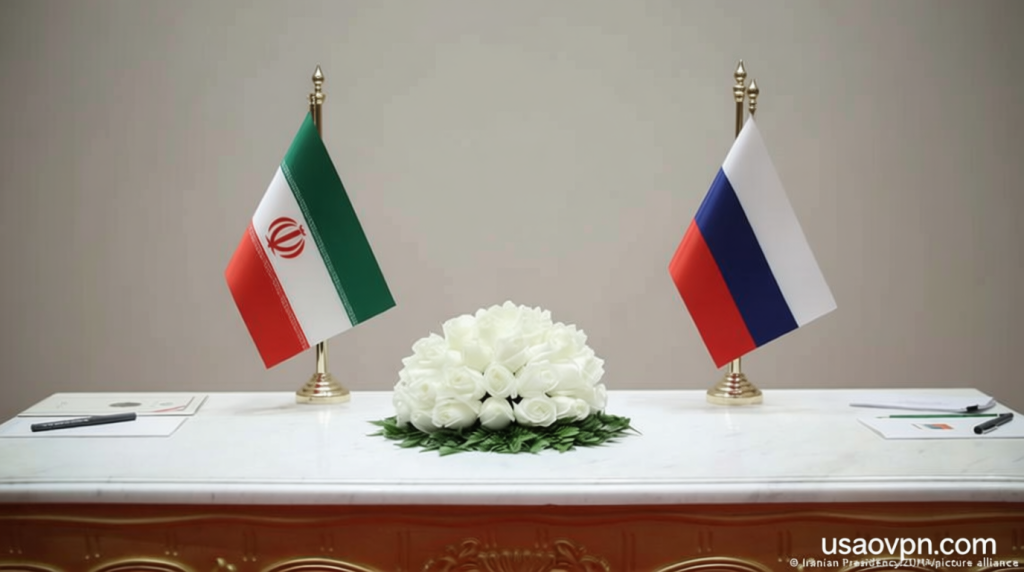
Iran War: Why is Russia Not Coming to Tehran’s Aid?
In the face of escalating US-Israeli strikes, Iran’s government, with limited international allies, has pinned its hopes on Moscow’s backing. However, Russia’s response has been less than supportive, leaving Tehran disappointed. Just hours after the bombardment of Tehran began on Saturday, Russia’s UN representative, Vassily Nebenzia, described the attacks as an “unprovoked act of armed aggression against a sovereign and independent UN member state.”
Russia and Iran have shared a strategic alliance, particularly in economic ventures like the North-South transport corridor. This 7,200-kilometer (4,473-mile) multi-mode network, which traverses Azerbaijan, was signed by Russia, India, and Iran in 2000. According to the Gulf Research Center, 75% of the project is now complete. Yet, Russia’s reluctance to intervene raises questions about the depth of their partnership.
“The North-South transport corridor is crucial for Russia, especially after the invasion of Ukraine cut off its traditional transit routes in February 2022,” said Nikita Smagin, an Azerbaijan-based expert on Russia and the Middle East.
Russia’s military collaboration with Iran has been significant, notably through the supply of Shahed drones since 2023. These drones have transformed the Ukraine conflict, as Julian Waller, a research analyst at the Center for Naval Analyses (CNA), noted. “Iran’s drones have been a valuable asset to Russia’s war effort,” Waller told DW, adding that Moscow has since advanced the design of these systems.
Despite this military bond, experts suggest the partnership is pragmatic rather than ideological. Smagin emphasized, “Russian politicians don’t particularly admire Iran, but they see it as a dependable ally. Both nations face Western sanctions, unlike Turkey or Egypt, which might limit trade with Russia under pressure.”
“Iran has become Moscow’s mentor in navigating sanctions,” said Gregoire Roos of Chatham House. “It has shared years of experience in bypassing economic restrictions, offering Russia tactical guidance.”
Russia is also reported to have shared intelligence and provided missiles to Iran. However, its absence in the current conflict challenges expectations of active support. “The two countries are not defensive allies,” Waller stated, pointing to an informal non-attack pact with Israel as a possible reason.
Experts like Mojtaba Hashemi argue that Iran’s reliance on Moscow was flawed. “Tehran expected tangible military and political assistance,” Hashemi explained. “But Russia and China have prioritized their own challenges, offering weapons and repression tools without direct intervention.”
“Iranian leaders anticipated more from Moscow,” said Mohammad Ghaedi, a George Washington University lecturer. “Mahmoud Ahmadinejad once criticized Russia for ‘selling out the Iranian nation,’ and Pezeshkian noted that ‘friendships didn’t hold during the war.'”
Some analysts, including Roos, suggest Russia might benefit from a prolonged Iran conflict. “A sustained war could divert global attention from Ukraine, weakening Zelenskyy’s narrative,” Roos argued. “It could also strain Washington’s resources, as the focus shifts to Iran and potential escalation.” Despite these potential advantages, Russia’s hesitation underscores a complex balance of interests in the region.