
Iran war strains US-Spain relations
Iran War Strains US-Spain Relations
Following Spain’s vocal opposition to US military actions in Iran, President Donald Trump escalated tensions, publicly criticizing the nation during a meeting with Germany’s Chancellor Friedrich Merz. The incident occurred as Trump claimed Spain’s stance was undermining trade relations with the European Union, vowing to halt all commerce with the country. Spain’s resistance to the strikes, more pronounced than any other European state, became a focal point of his frustration.
Spain’s Condemnation and Diplomatic Moves
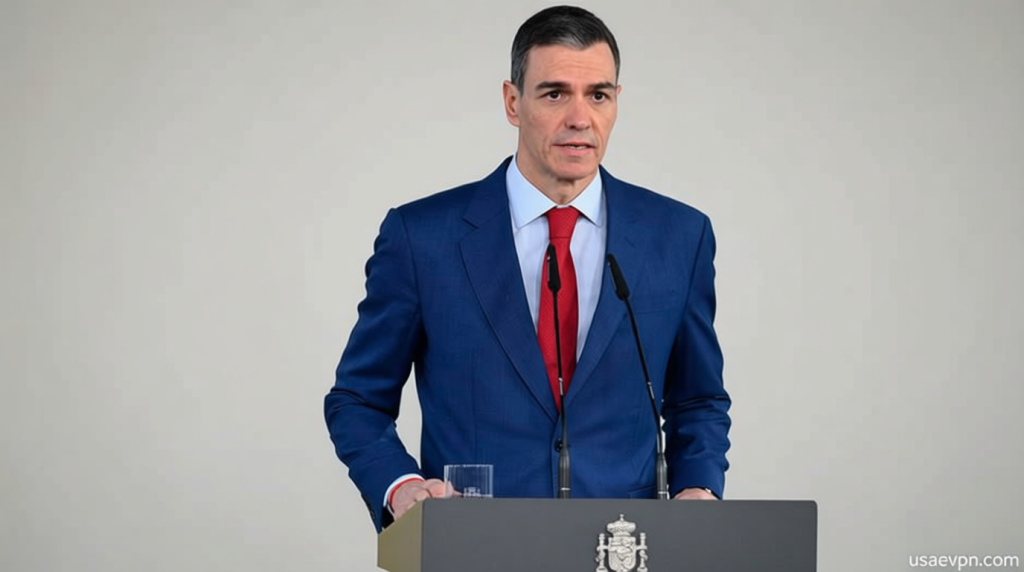
Spanish Prime Minister Pedro Sánchez, a member of the Socialist Party, took a firm position against the US-led attacks, labeling them as a significant violation of international law. His government subsequently restricted US access to two shared military bases in Andalusia, southern Spain, as a show of disapproval. Sánchez’s remarks were echoed in a video message, where he emphasized the need to reject actions that jeopardize global legal standards, especially civilian safety.
“We say no to the violation of international law, which protects us all, especially civilians,” Sánchez stated. “Anyone who acts like the US plays Russian roulette with the fate of millions of people.”
Public Sentiment and Criticisms
Many Spaniards appeared to align with their leader’s stance, viewing the US as overly aggressive. Gladys Gbegnedji, a Madrid-based project manager, expressed support for Spain’s consistent foreign policy choices, stating to DW: “Our government is only being consistent in its foreign policy — we should not simply submit to the US.” Similarly, Francisco Huesa, a Sevilla teacher, highlighted the discrepancy between European democratic ideals and their military actions, asking: “How can it be that European countries that call themselves democratic simply support attacks that violate international law?”
Spain’s public discontent was amplified by the perceived silence of Merz during the encounter. While Merz assured Trump that Spain would increase NATO contributions, he later claimed the EU would respond to US punitive measures. This prompted Spanish Foreign Minister Jose Manuel Albares to critique Merz, noting the lack of solidarity from past German leaders: “Under Merkel and Scholz, there was a distinctly pro-European spirit.”
Expert Analysis and Outlook
Political scientist Rafael Calduch Cervera warned that the conflict over Iran could deepen rifts within the EU. However, he also questioned Sánchez’s approach, suggesting the prime minister’s assertive rhetoric was driven by domestic pressures from his left-wing allies. Cervera argued that this strategy aimed to rally public support but had inadvertently placed Spain in a precarious international position. Despite Trump’s threats, he predicted that economic ties would remain intact, noting: “Trade policy is the responsibility of the EU and not a matter of national governments.”
“Any punitive measures would consequently provoke European countermeasures,” Cervera told DW. “This is why Trump’s threats against Spain are a ‘serious warning,’ but not an expectation of further deterioration in relations.”