
Energy bottleneck in Middle East is damaging German economy
Energy Crisis in Middle East Harming Germany’s Economic Stability
The recent turmoil in the Middle East has led to a surge in energy costs, escalating prices, and disrupted global trade routes, all of which are posing challenges to economic expansion. The German government is now closely monitoring developments in the region, which have sent shockwaves through international markets.
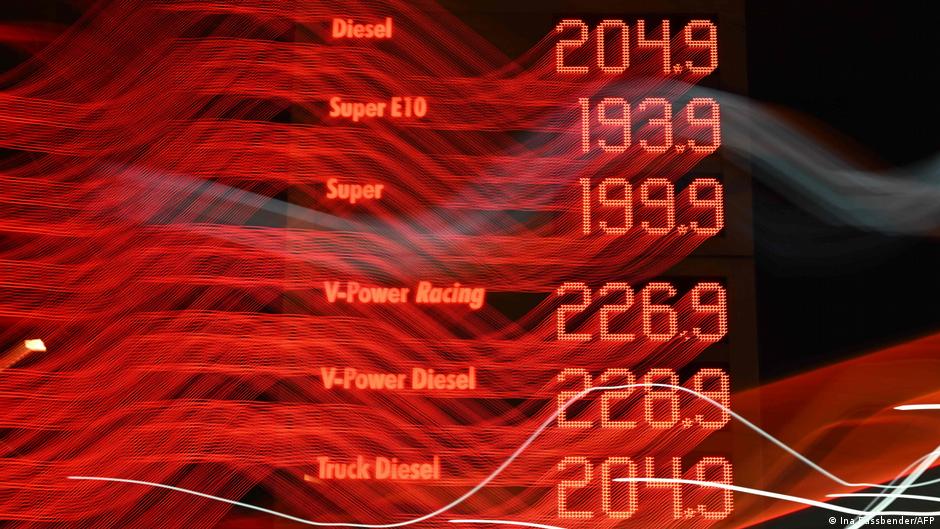
Following the US and Israel’s military action against Iran, the country swiftly restricted maritime access to its coastal waters. This has effectively sealed off the Strait of Hormuz, a vital chokepoint in the Persian Gulf where approximately 20% of the world’s oil is transported daily. As a result, oil prices skyrocketed almost instantly, with gasoline and diesel at German stations climbing sharply. In some areas, premium gasoline reached as high as €2.50 per liter, while diesel now averages just over €2, marking a €0.30 increase compared to pre-attack levels.
Concurrently, Iran’s drone strikes on liquefied natural gas (LNG) facilities in Qatar have triggered even more drastic fluctuations in gas prices. Although Germany does not directly import LNG from Qatar, its reliance on the European wholesale market means it is still affected. This market is influenced by the interplay of global supply and demand trends, both current and anticipated.
Industrial and Consumer Impacts
Rising energy costs are straining not only households but also key industrial sectors. Energy-dependent industries such as chemicals, steel, glass, and paper are bearing the brunt, while automotive and mechanical engineering are also experiencing pressures. The escalating expenses threaten to undermine competitiveness and increase production burdens.
“We must prepare ourselves for a prolonged period of increased uncertainty,” said Professor Veronika Grimm, one of five economic advisors to the German government.
Experts like Grimm are warning of potential inflationary pressures and growing investment hesitancy. The energy crisis, which has been intensifying since Russia’s invasion of Ukraine, continues to fuel these concerns. Combined with supply chain disruptions and heightened global instability, the situation is proving detrimental to Germany’s economic health.
Policy Responses and Challenges
Despite Chancellor Friedrich Merz’s campaign promises to prioritize economic revival, growth has yet to materialize. A small uptick early in the year may now be reversed by the ongoing conflict in the region. For ten months, the CDU/CSU and SPD coalition has governed, but their efforts to stabilize the economy remain under scrutiny.
Since Russia halted gas supplies four years ago, calls for diversifying energy sources have persisted. However, implementation has stalled. With gas storage facilities nearing capacity limits due to an unusually harsh winter, the groundwork for resilience remains incomplete. This vulnerability is compounded by additional disruptions in the shipping sector, where companies must reroute vessels around the Persian Gulf, causing delays and raising insurance and fuel costs.
Meanwhile, airspace restrictions over Gulf states are forcing airlines to take longer routes, increasing kerosene expenses and travel times. As energy prices persist in their upward trajectory, the risk of renewed inflation looms large, further squeezing consumer purchasing power and threatening domestic economic performance.