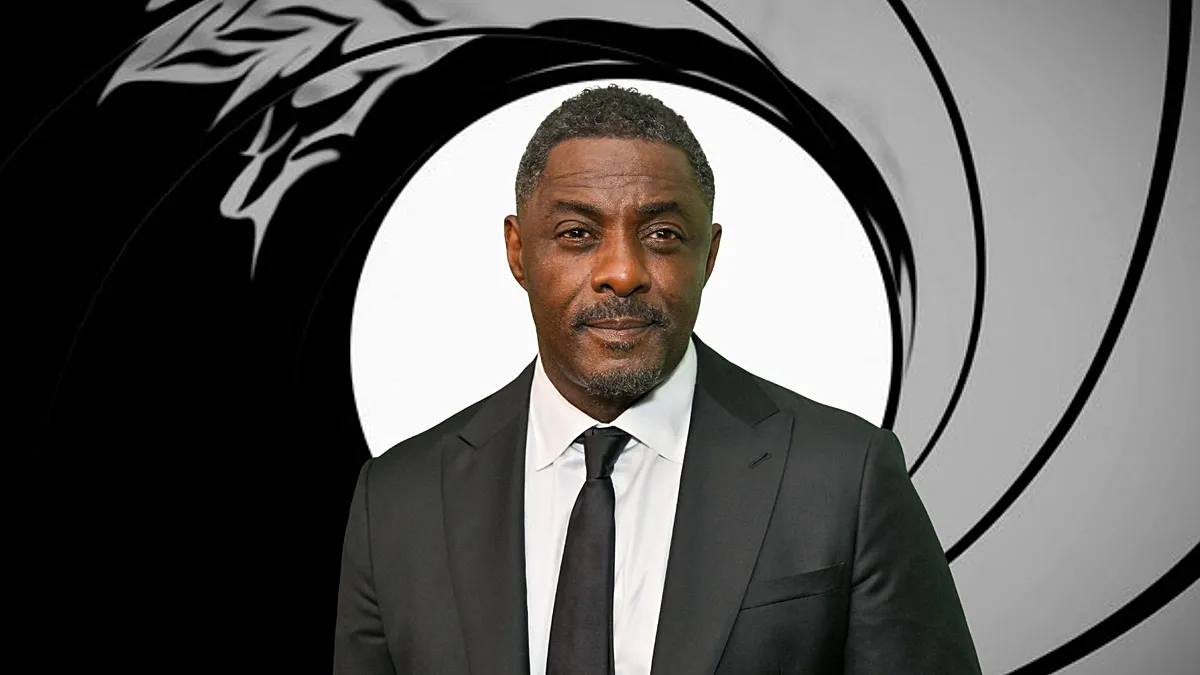
Idris Elba Advocates for James Bond’s Timeless Identity: ‘Just Be Bond’
Shaken not woke – The search for the next James Bond continues to captivate global audiences, with fresh names emerging weekly as candidates to take over from Daniel Craig. For years, the British actor Idris Elba has stood out as a frequent contender for the iconic role, even before Craig’s final film, No Time To Die, wrapped in 2021. Despite his widespread acclaim and a career spanning decades, Elba has consistently brushed aside speculation that he might return to the role. Now, in a recent interview with British GQ, the 53-year-old star of Luther has firmly closed the door on such discussions, emphasizing that the character of Bond should remain rooted in its original essence.
Revisiting the Legacy of Ian Fleming’s Creation
Elba’s latest comments align with his long-standing belief that James Bond should not be reimagined to the point of losing his core identity. “Bond is written how he was written for a reason,” he stated, underscoring the importance of fidelity to Fleming’s vision. This perspective has sparked debate, particularly as modern audiences increasingly demand representation and diversity in entertainment. Elba, however, argues that the franchise should prioritize escapism over political correctness, a stance he has reiterated in various public forums. “You’ve got to be pure to what it is: escapism. Don’t try and answer the world’s taste. Just be Bond,” he said, reinforcing his view that the character’s timeless appeal lies in its simplicity and universality.
Elba’s remarks also touch on the potential cultural reception of a Black male Bond. While he acknowledges the global reach of the franchise, he suggests that certain international markets may resist the idea of casting someone of color in the role. “I think, in realistic terms, some markets just don’t go for that,” he explained. “Bond is big all over the world. And [audiences] won’t [all] go for a Black male, an African male, playing Bond. That’s not what they like in their culture. Period.” This statement reflects a nuanced take on the balance between tradition and modernization in the Bond series, highlighting how the character has evolved yet retained its status as a cultural icon.
A Shift in Perspective: From Speculation to Definitive Stance
Elba’s recent comments echo his earlier frustrations with the role’s association with race. During a segment on the SmartLess podcast, hosted by Jason Bateman, Sean Hayes, and Will Arnett, he described the offer to play Bond as “the pinnacle” of his career. However, he also criticized those who transformed the opportunity into a divisive issue. “Those that weren’t happy about the idea made the whole thing disgusting and off-putting, because it became about race. It became about nonsense and I got the brunt of it,” he said, capturing the emotional weight of his stance.
Elba’s argument is not without merit. The Bond franchise, while evolving, has always thrived on its ability to transcend cultural boundaries. From Sean Connery’s suave British charm to Roger Moore’s flamboyant flair, the character has been a global phenomenon. By advocating for a return to Fleming’s original blueprint, Elba positions himself as a guardian of the franchise’s legacy. Yet his remarks also invite questions about how the series can adapt to contemporary values without compromising its essence.
The Franchise’s Reboot and New Talent Pool
As the James Bond reboot under Amazon MGM gains momentum, the casting process has taken on new significance. Veteran casting director Nina Gold has joined the project, working alongside director Denis Villeneuve and screenwriter Steven Knight. This new team has been tasked with selecting an actor who can embody the spirit of Bond while appealing to modern sensibilities. Among the names frequently mentioned as frontrunners are Tom Francis, Callum Turner, Jacob Elordi, Jack Lowden, and Louis Partridge—each bringing a unique interpretation to the role.
Elba’s insistence on traditional casting contrasts with the broader trend of diversifying iconic roles. His comments reflect a growing divide in opinions about how to modernize classic franchises. While some argue that inclusivity should be central to Bond’s evolution, others, like Elba, believe the character’s power stems from its adherence to a timeless formula. “Bond is so unrealistic, so a hint of reality is good, but let’s not try and make it woke,” he said, highlighting his belief in maintaining the character’s flair for the dramatic.
Elba’s perspective resonates with those who feel the Bond series has already undergone enough changes. The franchise has previously explored different eras and settings, from the Cold War to the digital age. However, the notion of redefining Bond’s identity through race or social issues has sparked controversy. Elba’s assertion that audiences “won’t [all] go for a Black male” playing Bond suggests a pragmatic approach to the role’s global appeal. Yet it also raises the question of whether the series can remain relevant without embracing contemporary themes.
Despite his current reservations, Elba’s legacy in the Bond universe remains significant. His portrayal of the superspy in earlier discussions captured the imagination of fans and critics alike, even if he ultimately chose not to take the role. The actor’s comments now provide a framework for understanding the challenges of casting Bond in a rapidly changing cultural landscape. By advocating for a return to the original character, Elba ensures that the franchise’s identity remains intact, even as new talents are brought into the spotlight.
The ongoing search for the next Bond underscores the character’s enduring appeal. While the franchise faces pressure to reflect modern values, its foundation lies in the allure of a British secret agent who is both suave and daring. Elba’s insistence that “the franchise should not stray too far from Ian Fleming’s original character” highlights the delicate balance between innovation and tradition. His remarks also serve as a reminder that the Bond series is more than just a movie—it is a cultural touchstone that has shaped global entertainment for decades.
As the reboot progresses, the debate over Bond’s identity will likely continue. Elba’s voice adds a compelling dimension to this conversation, offering a perspective rooted in both artistry and audience expectations. Whether the new Bond will embody the same spirit as his predecessors or introduce fresh elements remains to be seen. But for now, Elba’s position that “James Bond should just be Bond” provides a clear benchmark for the franchise’s future direction.
Elba’s arguments are not just about the character’s image—they are about the broader implications of casting choices in global cinema. His comments challenge the notion that diversity must come at the expense of tradition, while also acknowledging the role of cultural context in shaping audience preferences. As the search for the next Bond moves forward, the question of what defines the character will remain central to its evolution. For Elba, the answer lies in preserving the legacy of Ian Fleming, even as the world around him continues to change.
In an era where franchises are constantly redefined to reflect new social narratives, Elba’s stance serves as a counterpoint. His belief that Bond should remain “just Bond” is a call to uphold the character’s original charm, ensuring that his appeal endures across generations. Whether this approach will resonate with modern viewers or spark further debate remains uncertain, but Elba’s voice is a powerful reminder of the role’s cultural significance. As the reboot unfolds, the question of how to honor Bond’s legacy while embracing the present will continue to shape the future of the series.