Rolls-Royce SMR Secures Swedish Nuclear Contract
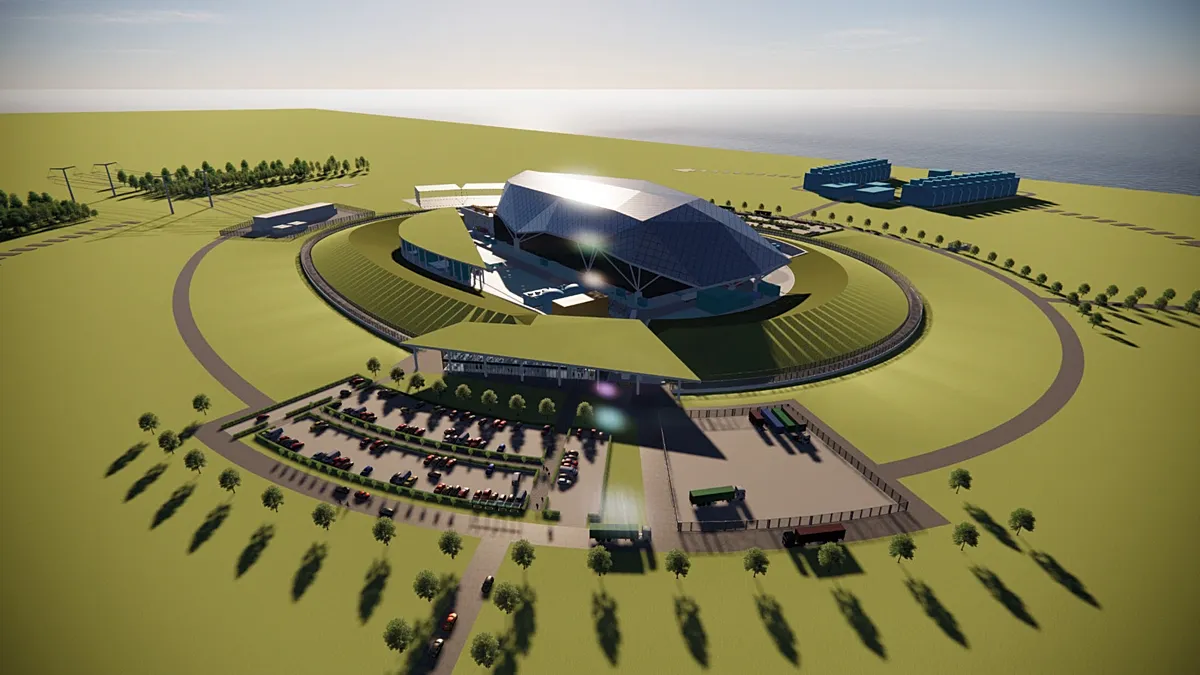
Rolls Royce secures deal to build – Rolls-Royce, the renowned UK engineering firm, has emerged victorious in a competitive selection process that began in 2022. The company’s nuclear division, Rolls-Royce SMR, has been chosen to supply three Small Modular Reactors (SMRs) to Sweden, marking a significant milestone for the British firm. This partnership with Videberg Kraft, a Swedish energy company, will see the reactors constructed on the Värö Peninsula, located along the west coast of the country. The agreement represents the first new nuclear power plant in Sweden in over four decades, according to a press release from Rolls-Royce.
A Strategic Move for European Expansion
The collaboration with Videberg Kraft is expected to enhance Rolls-Royce’s presence in Europe, where the company is actively pursuing opportunities to solidify its position as a leading nuclear technology provider. Alongside this, the firm has also partnered with Vattenfall, a major utility company, and Kärnfull Next, an energy developer, to advance the deployment of SMRs in Sweden. This joint venture is considered one of the most promising initiatives for nuclear energy expansion beyond the UK.
Rolls-Royce’s CEO, Tufan Erginbilgic, emphasized the importance of the deal, stating, “Selection by Videberg Kraft reinforces the status of Rolls-Royce SMR as the only company with multiple contractual commitments to deliver SMR units in Europe.” This declaration underscores the firm’s ambition to establish itself as a dominant force in the European nuclear market. The announcement follows a recent agreement in April 2026 with the Czech CEZ Group, which aims to support the development of the Czech Republic’s first SMR. Additionally, Rolls-Royce has inked a deal with Great British Energy – Nuclear (GBE-N) to design and deliver the UK’s initial small modular reactors.
Government Support and Economic Impact
The UK government has celebrated the deal, highlighting its potential to create thousands of skilled jobs and strengthen the nation’s supply chains. In a statement, officials described the agreement as “a major multibillion-pound export win for the UK and a breakthrough moment for British nuclear.” This endorsement reflects the government’s commitment to promoting nuclear energy as a key component of the country’s industrial and energy strategies.
Rolls-Royce has not disclosed the financial value of the contract, but the economic implications are clear. The project is anticipated to generate substantial investment, contributing to the growth of the UK’s nuclear sector. The company’s stock has already shown positive movement, rising 1.8% at 10:00 CET on Tuesday, indicating investor confidence in the deal’s potential success.
SMRs: A Game-Changer for Clean Energy
Small Modular Reactors (SMRs) are increasingly viewed as a transformative technology for achieving energy security and reducing carbon emissions. These reactors, which are smaller than traditional nuclear plants, have a capacity range of 20 to 300 megawatts of electricity. At the upper end of this scale, a single SMR could generate approximately 7.2 million kilowatt-hours of power daily—sufficient to meet the energy needs of hundreds of thousands of homes.
The European Commission has recognized the potential of SMRs in advancing the bloc’s clean energy objectives. In March 2026, the EU adopted an SMR strategy to remove regulatory obstacles and accelerate the adoption of the technology across member states. This initiative is part of broader efforts to diversify energy sources and reduce reliance on fossil fuels. The strategy is particularly relevant as the global demand for low-carbon solutions continues to rise.
According to the International Energy Agency (IEA), more than 1,000 SMRs could be deployed worldwide by 2050 under a supportive policy framework. This projection would require an estimated cumulative investment of $670 billion (€577 billion). Such a scale of deployment could significantly impact energy markets, offering a scalable and flexible alternative to conventional nuclear reactors.
Sweden’s Energy Transition and Future Outlook
The partnership with Videberg Kraft is not only a commercial success but also a step toward Sweden’s long-term energy goals. The country has been actively seeking sustainable energy solutions to replace aging infrastructure and meet its climate targets. The SMRs will provide a reliable and low-emission power source, supporting both industrial and residential energy needs in southern Sweden.
Rolls-Royce SMR’s involvement in the project is expected to bring advanced technology and expertise to the region. The company’s ability to deliver SMRs in Europe has been a focus of its strategic plans, and this deal reinforces its capability in the field. The Värö Peninsula site, chosen for the reactors, is likely to become a hub for nuclear innovation, further solidifying Sweden’s position as a leader in green energy.
As the project moves forward, the collaboration between Rolls-Royce and its Swedish partners will be critical in ensuring timely delivery and operational efficiency. The success of this initiative could serve as a model for other countries looking to integrate SMRs into their energy portfolios. With the UK’s support and the EU’s strategic framework, the deployment of SMRs is poised to play a pivotal role in shaping the future of energy production across Europe and beyond.