
Oil prices climb after Iran warns against US ground invasion
Oil prices climb after Iran warns against US ground invasion
Rising Oil Prices Amid Iranian Threats
Global oil prices increased on Sunday following a warning from Iran about a potential US military operation. Despite President Donald Trump stating on Friday that talks would continue to resolve the conflict, the market reacted to Iran’s latest message. Brent crude, the international reference benchmark, rose 2.47% to $107.92, while US crude gained 2.94% to $102.57.
Iran’s parliament speaker emphasized that the nation’s military is prepared for American forces, signaling a readiness to escalate tensions. This declaration followed Trump’s announcement of extending the deadline for his ultimatum, which urged Iran to reopen the Strait of Hormuz. The move came as negotiations to end the war remained active, though the situation remains volatile.
Regional Threats to Oil Supplies
The Iranian-backed Houthi rebels in Yemen, who launched attacks on Israel over the weekend, added to concerns about oil transport. These groups could potentially block the Bab al-Mandab Strait, a critical route connecting the Red Sea to international shipping lanes. Such an action would further disrupt global energy flows and heighten market uncertainty.
International Efforts to Stabilize the Situation
Delegates from Pakistan, Saudi Arabia, Egypt, and Turkey are collaborating to halt the conflict. Pakistan’s Foreign Minister Ishaq Dar described the Sunday meeting as “very productive,” indicating progress in diplomatic discussions. He also mentioned the country’s role in facilitating talks between the US and Iran in the near future.
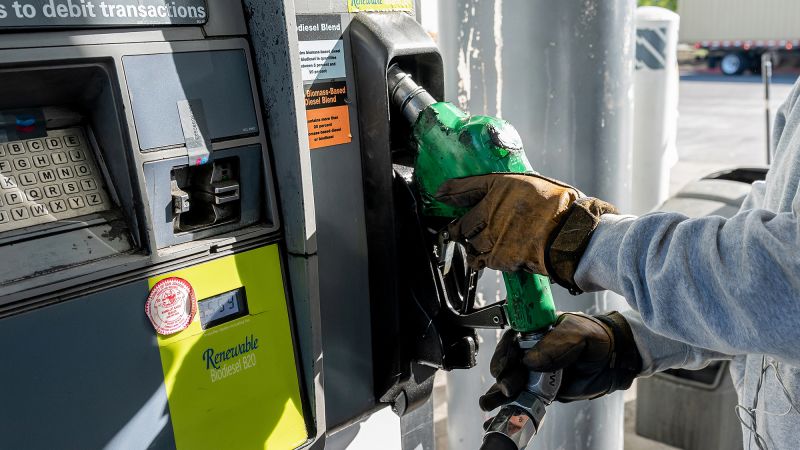
Iran’s warning has triggered broader economic effects. Gasoline prices in the US hit an average of $3.98 per gallon on Sunday, reflecting the strain from ongoing disruptions. Experts highlight that smaller economies, particularly in Asia, will face the most immediate consequences, with higher oil costs spreading across the world market.
Long-Term Economic Implications
Bob McNally, president of Rapidan Energy, warned that surging oil prices could be tempered by a recession. “Once you hurt the economic growth, it’s a brutal way, but an effective way, of killing oil demand, which then will cap the price,” he said in a
. The recovery of gas prices will hinge on the Strait of Hormuz reopening and repairing damage to key facilities, such as Qatar’s Ras Laffan, a major global gas production site struck in mid-March.
Meanwhile, financial markets mirrored the oil volatility. Stock futures declined on Sunday, with the Dow falling 0.53% or 241 points, and the S&P 500 and Nasdaq losing 0.46% and 0.48%, respectively. The situation underscores the interconnectedness of geopolitical risks and economic stability.