Le Havre: 38,000 Fake Trainers Destroyed After 15-Year Legal Battle
Le Havre – In a decisive move to eliminate counterfeit goods, nearly 38,000 pairs of fake sneakers were dismantled at a specialized facility in Le Havre, France, marking the conclusion of a protracted legal dispute that spanned over a decade. The operation, conducted on 3 June 2026, involved the systematic destruction of shoes that had been stored in a confidential warehouse since their arrival from China in 2011. This event has reignited discussions about the balance between combating intellectual property theft and addressing environmental concerns, as the goods now find their final destination in an industrial shredder rather than on retail shelves.
The Legal Battle
The case against the French importer began in 2011 when customs officials identified the first batch of counterfeit shoes among the cargo shipments arriving at Le Havre. Over the years, the importer contested the seizure, arguing that the products were indistinguishable from genuine ones. This legal tug-of-war eventually led to a landmark ruling in December 2025, where the company was fined a total of 1.56 million euros. This included 260,000 euros for customs-related money laundering and a three-year prison sentence, with two of those years suspended. The verdict was a victory for customs authorities, allowing them to clear the warehouse of a backlog that had persisted for over 15 years.
A Scourge of Modern Trade
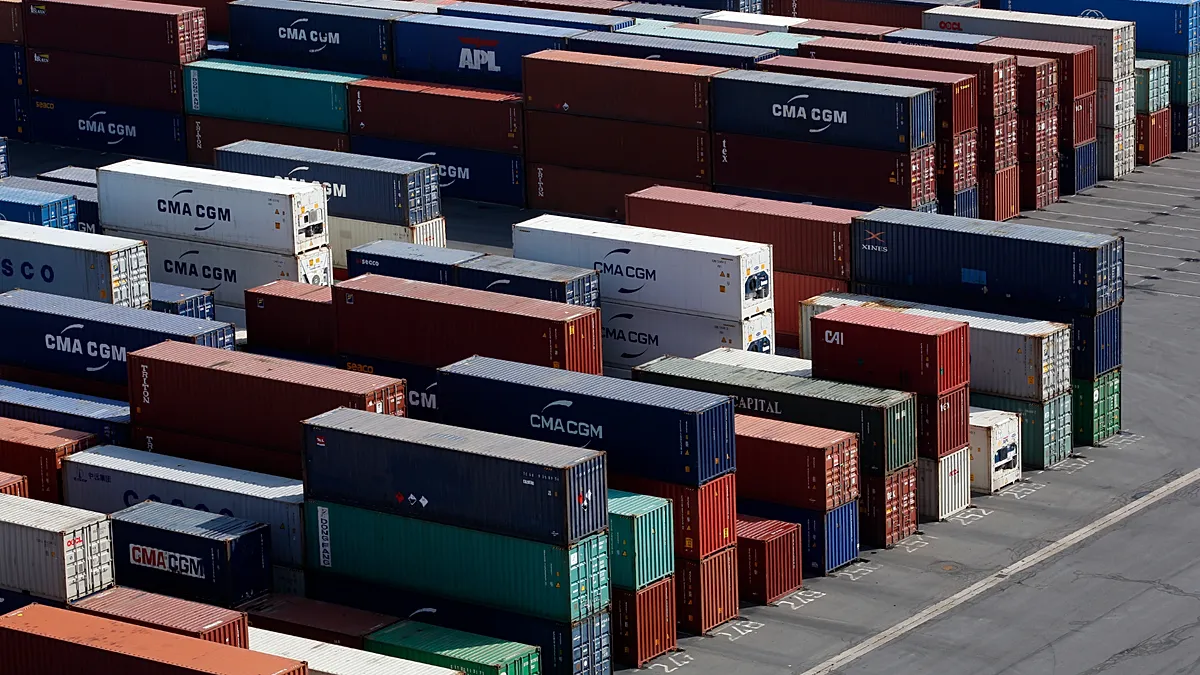
Le Havre, France’s primary container port, has long been a hub for counterfeit goods. According to Anthony, a customs officer stationed at the facility, the issue extends far beyond luxury items. “Counterfeiting has emerged as a pervasive issue, a persistent challenge,” he said. “From high-end designer labels to everyday products like soaps, shampoos, and even toys, anything can be replicated with alarming speed.” Anthony emphasized that the threat is particularly acute for French brands, which face both economic losses and reputational damage from substandard imitations. The port’s role in global trade makes it a prime target for organized criminal networks seeking to profit from illicit manufacturing.
The scale of the problem is staggering. Last year alone, French customs authorities seized over 20 million counterfeit products, with nearly 1.2 million of those items originating from Le Havre. The port’s annual haul of fake goods includes a wide range of categories, from footwear and clothing to electronics and automotive components. This diversity underscores the adaptability of counterfeiters, who exploit supply chains to bypass regulations and sell knockoffs at a fraction of the original cost. The economic impact is significant, as these products undercut legitimate businesses and erode consumer trust.
The Destruction Process
The final phase of the legal battle saw the actual destruction of the counterfeit sneakers, a process that involved heavy machinery and a meticulous plan. Two mobile cranes swiftly lifted the boxes and crushed the shoes with their grippers, sending them into a high-speed shredder. The resulting debris was then processed for incineration or recycling, ensuring that the goods could not re-enter the market. Stéphane Peterson, regional director at UNIFER Environnement, the organization overseeing these operations, explained, “The waste generated at the end of this process can have multiple fates. In this case, the shredded material will be incinerated in partnership with a local entity. In other scenarios, it may be transformed into a solid fuel used to power cement kilns.”
Peterson highlighted the efficiency of the destruction method, noting that it prevents counterfeit goods from being resold or redistributed. “This is not just about punishing the importer,” he added. “It’s about safeguarding the market and protecting consumers from potentially dangerous products.” The process also addresses the environmental aspect of the issue, as the shredded pieces are either burned or repurposed, reducing the footprint of the fake goods on the planet.
Debates Over Waste and Safety
While customs officials argue that destroying counterfeit goods is essential to maintaining quality standards, some critics view the process as wasteful. “It’s hard to imagine such a large number of shoes being reduced to rubble,” said one local resident. “In times of economic hardship, this feels like an unnecessary sacrifice.” Others point to the potential risks of counterfeits, such as toxic materials or subpar construction that could endanger users. “These shoes might have been sold as genuine products, but they didn’t meet safety requirements,” a concerned citizen noted. “Destroying them is the only way to ensure they don’t end up in someone’s hands.”
Customs authorities counter that the destruction is a necessary step to uphold legal integrity. “Without this measure, counterfeiters would continue to flood the market with low-quality goods,” said Peterson. “Even if these shoes could be repurposed, the risk of them being sold again outweighs any benefits of reuse.” The debate reflects a broader tension between environmental sustainability and the need to protect consumers from harmful imitations. For now, the decision to destroy the sneakers has been made, and the warehouse is finally unburdened.
The Future of Counterfeiting in Le Havre
The operation in Le Havre serves as a reminder of the scale and complexity of counterfeit trade. With over 1.2 million fake products seized annually in the port, the challenge of detecting and eliminating these goods remains significant. The case of the Chinese sneakers highlights how international supply chains can be exploited, and how persistent enforcement is required to close such loopholes. As more organized criminal groups target the port’s infrastructure, customs officials are determined to stay ahead of the game.
“Le Havre is a gateway to Europe, and counterfeiters know this,” said Anthony. “They use it to smuggle goods into the continent without proper oversight. The 15-year legal battle was a turning point, but it’s just the beginning.” The victory in this case is a testament to the dedication of customs officers, who work tirelessly to protect intellectual property and ensure the integrity of trade. It also signals a shift in how counterfeit goods are managed, with a growing emphasis on environmentally responsible disposal methods.
Looking ahead, the collaboration between customs authorities and environmental organizations like UNIFER Environnement may set a precedent for future operations. By transforming waste into fuel or incineration, the process not only eliminates counterfeit goods but also contributes to a circular economy. However, the question of whether this is enough to deter the counterfeit trade remains unanswered. As long as the demand for cheap imitations persists, the battle against fake products will continue, with Le Havre serving as both a battleground and a symbol of the global fight against intellectual property theft.
Conclusion
The destruction of 38,000 fake sneakers in Le Havre has ended a 15-year legal saga, but it also raises questions about the broader implications of counterfeiting. While the operation clears the warehouse and sends a strong message to importers, the debate over waste versus safety underscores the complexity of the issue. For customs officials, the destruction is a critical step in preserving market fairness, but for critics, it represents a missed opportunity to repurpose the goods. As the port continues to play a central role in international trade, the fight against counterfeit goods will remain a key priority, ensuring that Le Havre’s legacy is one of vigilance and innovation in combating illicit commerce.