
Iran’s strikes on Gulf energy sites rattle markets and raise recession fears
Iran’s Strikes on Gulf Energy Sites Rattle Markets and Raise Recession Fears
Global Energy Turmoil Following Iranian Attacks
As the US-Israeli military buildup intensified before the conflict began, Iran consistently signaled its intent to retaliate if provoked. A week into the war, Tehran’s repeated strikes began to disrupt global energy markets, sparking concerns over economic stability. Since the conflict erupted last Saturday, Iran has launched multiple aerial assaults across the Gulf, with an additional attack on Azerbaijan reported on Thursday.
Tehran asserts its focus is on US and Israeli interests, yet the ground reality reveals that its missiles and drones also targeted critical energy infrastructure in the Gulf. This infrastructure supplies major economies and plays a vital role in maintaining global energy balance. The attacks further impacted the Strait of Hormuz, a key oil transit route where 20% of the world’s oil flows through. Over 200 vessels were reportedly stranded, as noted by trade and logistics firm Lloyd’s List.
Qatar’s LNG Production Halts Amid Iranian Threats
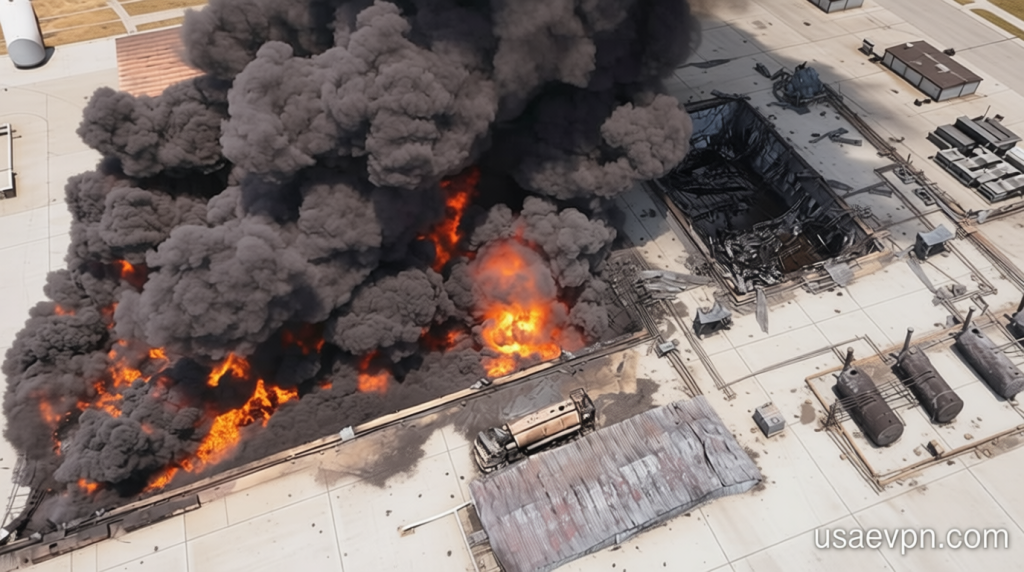
Following drone strikes on operational hubs in Qatar’s Mesaieed and Ras Laffan Industrial City, the nation suspended production at its leading liquefied natural gas facility. This move sent ripples through global energy trade and contributed to rising prices. Qatar’s LNG output constitutes 20% of the world’s supply and is crucial for stabilizing demand in Asian and European markets.
On Friday, the UK Foreign Office noted that while Iranian attacks have slowed in frequency, their targets are expanding, increasingly focusing on economic and energy sectors. In a Financial Times interview, Qatar’s Energy Minister Saad al-Kaabi warned that the war “could bring down the economies of the world,” citing potential GDP impacts, soaring energy costs, and supply chain disruptions.
Strategic Confusion and Political Motives
Former US ambassador to Azerbaijan Matthew Bryza questioned the logic behind Iran’s strikes on Azerbaijan and its attacks on Turkey and Cyprus. “It’s hard to see how these actions fit into a rational military strategy,” he said, highlighting the lack of clear objectives. Bryza pointed out that Iran’s assault on Azerbaijan seemed counterproductive, as the nation’s president had previously offered condolences to Tehran after the war began, and had even volunteered to assist in evacuating Iranians from Beirut without financial gain.
According to Bryza, Iran’s actions may aim to destabilize economies and societies, potentially pressuring US President Donald Trump. The disruptions in supply chains and rising oil prices could harm Republican prospects in the upcoming elections. Meanwhile, Dr. Yousef Alshammari, president of the London College of Energy Economics, warned that a Hormuz blockade could trigger a global recession. “As summer approaches, the risk of recession could grow,” he stated, noting that Europe has already seen a 50% surge in gas prices, though oil prices remain lower than anticipated due to current low demand and ample market supply.