Gulf Nations Accelerate Pipeline Development as Oil Prices Surge Past $100
Strategic Diversification Amid Maritime Disruption
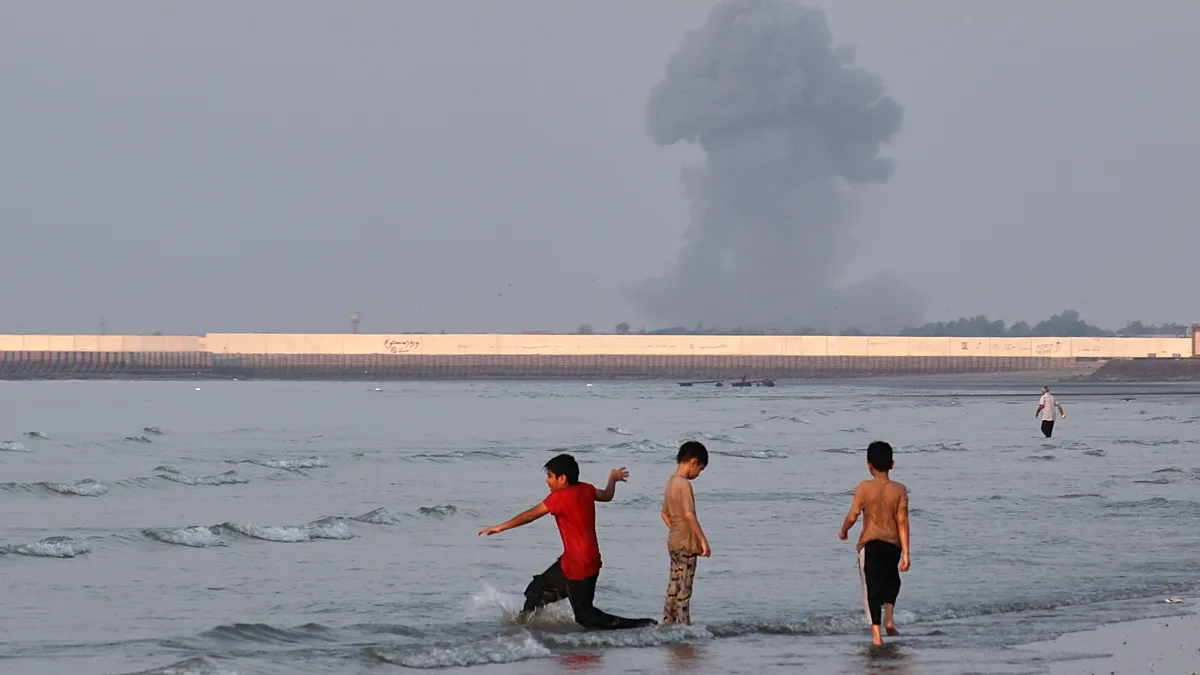
Usagevpn.com – Historically, approximately 15 million barrels of petroleum from the Gulf region flowed daily through the Strait of Hormuz, representing nearly one-fifth of globally traded oil during peaceful periods. As this critical maritime corridor remains substantially restricted and commodity values stay elevated, at least seven significant pipeline initiatives are currently advancing through various stages of construction, planning, or negotiation. These projects aim to redirect energy supplies via alternative pathways including the Red Sea, Suez Canal, and Gulf of Oman, according to regional authorities, energy sector participants, and market observers.
The renewed conflict involving Iran has intensified market pressures considerably. On Thursday, Brent crude climbed to $100 per barrel for the first occasion since May, significantly exceeding the approximately $72 level recorded following June’s brief ceasefire arrangement. Simultaneously, the United States benchmark WTI has advanced beyond $90 per barrel. Victoria Grabenwöger, a senior analyst at data provider Kpler, emphasized that maintaining such heavy reliance on the Strait of Hormuz “is no longer a prudent long-term strategy.” Two alternative routes already operate, yet both approach their maximum operational thresholds.
Established Infrastructure Approaching Capacity Limits
Saudi Arabia’s East-West pipeline, originally constructed during the 1980s when Tehran posed threats to maritime shipping throughout the Iran-Iraq conflict, transports crude oil from the Abqaiq processing complex to Yanbu on the Red Sea coast. From there, vessels navigate either southward toward the Arabian Sea or northward through the Suez Canal. Concurrently, the United Arab Emirates has increasingly directed petroleum flows to Fujairah, its strategic port situated approximately 145 kilometers south of the Strait of Hormuz.
According to the US Energy Information Administration, these two connections previously maintained spare capacity ranging between 3.5 and 5.5 million barrels daily. Currently, both facilities operate near maximum utilization, collectively handling roughly 6.5 million barrels per day. Abu Dhabi’s national petroleum enterprise is simultaneously racing to complete a project initiated prior to hostilities. The $3 billion (€2.6 billion), 300-kilometer pipeline running parallel to existing infrastructure aims to increase delivery volumes by more than 1.2 million barrels daily. Kpler reports the facility is approximately halfway finished, with the original early-2027 completion deadline likely extending to mid-2027 due to necessary port expansion requirements.
Red Sea Route Faces Renewed Threats
The Red Sea corridor possesses inherent vulnerabilities, recently demonstrated when Yemen’s Iran-backed Houthi rebels launched attacks on two Saudi-owned tankers, the Encelia and the Layla, igniting both vessels. These rebels had previously declared a blockade against Saudi-linked shipping in response to the kingdom’s restrictions on Yemen and an assault on Sanaa’s airport. Saudi state media documented a fire at the Encelia’s bow with no reported injuries, while the UK Maritime Trade Operations center noted a tanker hit by an unidentified projectile southwest of Al Shuqaiq.
The Houthi movement has previously disrupted the Bab el-Mandeb Strait, a critical maritime passage handling approximately 12 percent of global commerce. A Houthi drone attack in 2019 had already forced temporary closure of the East-West pipeline itself.
Iraq’s Accelerated Energy Diversification
Nowhere does the urgency appear more pronounced than in Iraq, where oil exports generate roughly 90 percent of government revenues and have necessitated production reductions due to Strait of Hormuz dependency. Prime Minister Ali al-Zaidi concluded a Washington visit last week having secured 48 agreements with American corporations across energy, healthcare, and technology sectors totaling over $60 billion, according to Reuters. These partnerships encompass major entities including ExxonMobil, Shell, Halliburton, KBR, and GE Vernova.
The flagship initiative involves a Syrian agreement to restore the dormant pipeline connecting Kirkuk oil fields to the Mediterranean port of Baniyas. Iraqi state media indicates Chevron will manage this project, while the US State Department praised the arrangement as “a critical energy corridor” with initial capacity reaching 2 million barrels daily. Baghdad is additionally evaluating a potential connection from Basra to Jordan’s Aqaba port. Washington’s ambassador to Turkey, Tom Barrack, forecasted these agreements would transform the Strait of Hormuz into “an afterthought.”