Brent Crude Oil Prices Drop Below $74, Marking a Significant Shift Since the Start of the Iran Conflict
Brent crude falls below 74 for first – On Wednesday, the price of Brent crude oil dipped below $74 per barrel, signaling a notable decline that has not occurred since the onset of the Iran war on 28 February. This marks a pivotal moment in the market, as the international benchmark has remained under $75 for the first time in months. Analysts attribute this trend to a combination of factors, including increased maritime freight movement through the Strait of Hormuz and progress in diplomatic discussions between the United States and Iran. However, lingering tensions over nuclear inspections and sanctions continue to cast doubt on the long-term stability of the agreement.
Market Factors Driving the Decline
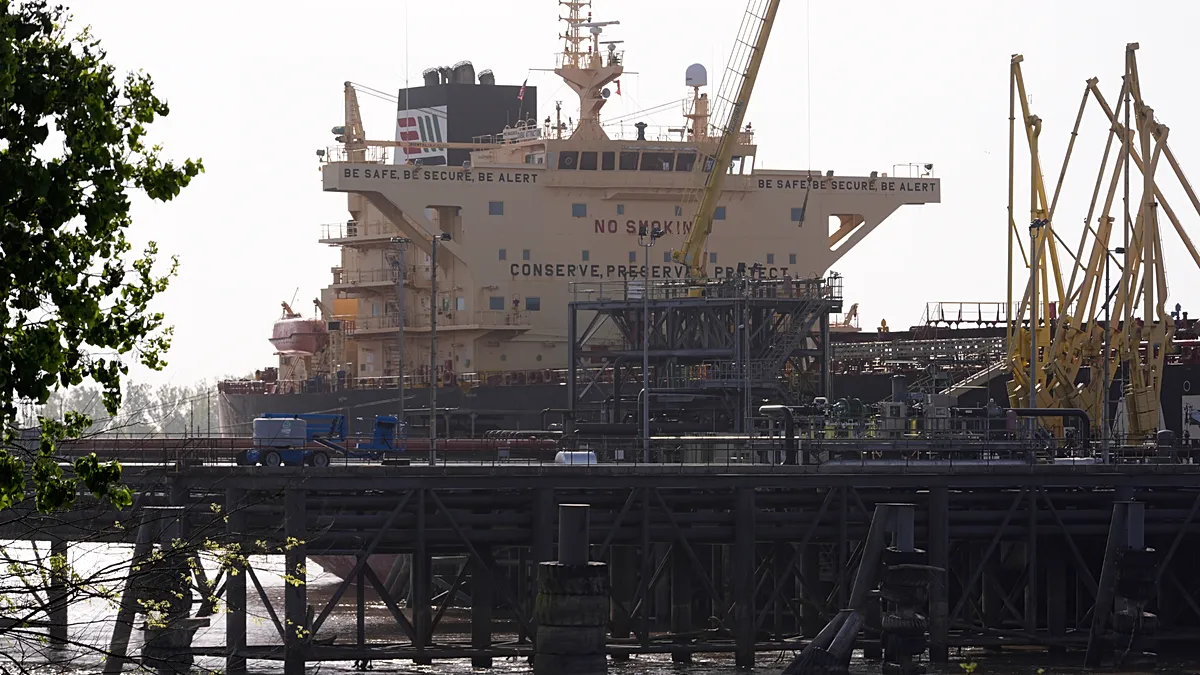
The gradual resumption of oil shipments through the Strait of Hormuz has played a critical role in stabilizing prices, according to industry experts. This vital waterway, which serves as a key conduit for global energy trade, saw its daily vessel crossings decline significantly during the conflict but is now showing signs of recovery. Before the war, the strait handled approximately 125 to 140 ships per day, transporting around 20 million barrels of oil and refined products. This volume represented roughly a quarter of the world’s seaborne oil trade, underscoring its strategic importance.
Meanwhile, the International Energy Agency (IEA) reported that the United Arab Emirates (UAE) has managed to restore its oil exports to nearly 85% of pre-war levels by early June. The UAE’s output has risen from 1.9 million barrels per day in March to about 4.3 million barrels per day, reflecting a broader stabilization in the Gulf region’s energy flows. Reuters also highlighted that traders are increasingly optimistic about the potential for Iranian crude oil to re-enter global markets, driven by temporary relief from sanctions and ongoing peace negotiations. These developments have contributed to the current downward trend in oil prices, despite the recovery in tanker traffic.
Historical Context and Price Trends
The current price of Brent crude, now below $74, contrasts sharply with its wartime peak of around $118 per barrel. This 40% drop from the high point highlights the market’s sensitivity to geopolitical risks and supply chain disruptions. While Brent futures for next-month delivery have fallen below $80, they still hold above the $72.48 level recorded before the conflict began. In parallel, US crude oil prices have also declined, reaching $70.36 per barrel by 3 pm CEST. This is slightly higher than the $67 per barrel seen prior to the war, indicating a partial rebound in the market.
Analysts suggest that the sustained price drop is not solely due to the easing of supply concerns but also reflects broader economic uncertainties. The combination of rising oil shipments and diplomatic progress has provided a temporary reprieve, yet unresolved disputes over nuclear inspections and sanctions have kept investors cautious. The temporary sanctions waiver, which allows Iranian crude to flow back into the market, has further amplified these dynamics, creating a delicate balance between supply and demand.
Trump’s Response to Market Volatility
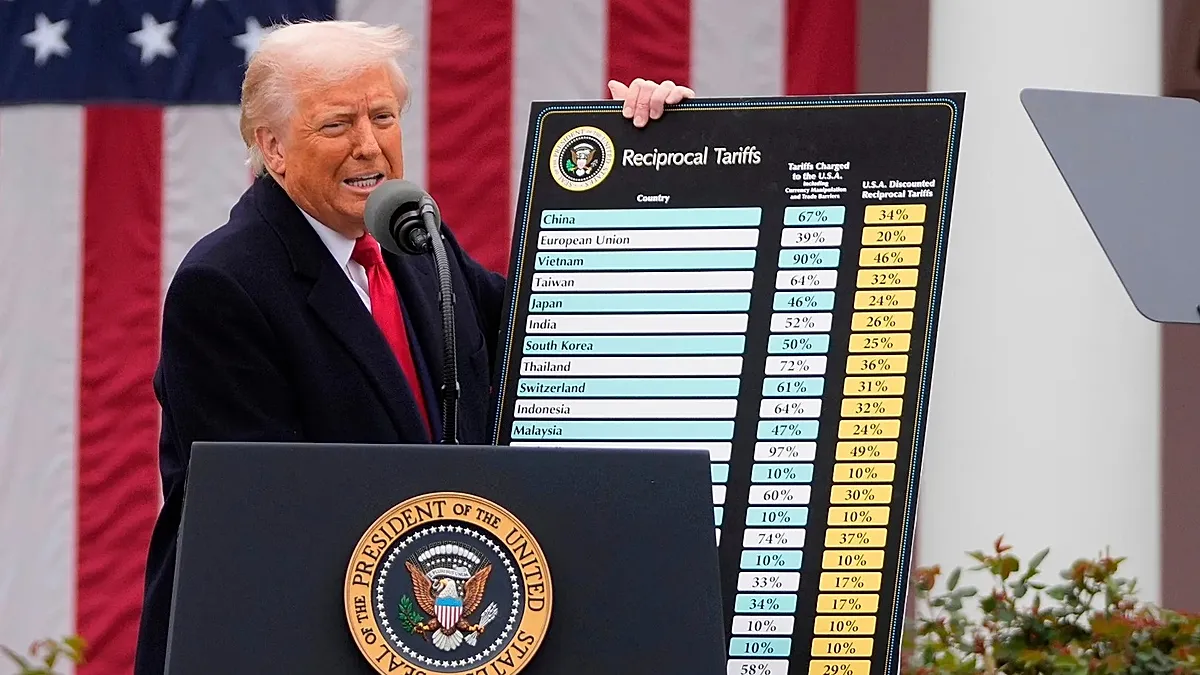
As the oil market adjusted, President Donald Trump took to social media to critique the pace of price declines. “In other words, customers are being ‘gouged,’” he tweeted, expressing frustration over the disparity between falling oil prices and stagnating gasoline costs. Trump instructed the Justice Department to investigate oil companies for price gouging, arguing that the decline in crude prices should translate directly to lower retail fuel prices. Despite the administration’s efforts, gasoline prices have only modestly decreased, averaging $3.93 per gallon as of early June, according to the AAA.
While the interim deal with Iran has eased some pressures, Trump remains vocal about the need for further action. His comments reflect a growing concern among policymakers about the impact of energy prices on consumers. The PCE price index, the Federal Reserve’s preferred measure of inflation, is set to be released on Thursday, offering additional insights into the central bank’s policy direction. Investors are closely watching this data, as it could influence decisions on interest rates and monetary stimulus.
Gold and Bond Markets React to Broader Trends
The decline in oil prices has coincided with a similar drop in gold, which fell below the $4,000 per ounce mark for the first time since November 2025. This psychological threshold is significant in the precious metals market, and the downward movement has been attributed to the strengthening US dollar and expectations of higher interest rates. A robust dollar makes gold more expensive for international buyers, reducing demand and putting downward pressure on prices.
Investors are also closely monitoring bond yields, which have remained elevated as inflationary risks persist. The yield on the 10-year US Treasury note stood at 4.48% early on Wednesday, reflecting confidence in the country’s economic resilience. The Federal Reserve, which has signaled its intention to raise interest rates at least once before the year ends, has increased its hawkish stance. CME Group data shows that the probability of a rate hike this year now stands at 85%, up from 60% a week earlier. These developments are shaping investor sentiment across global markets, with both commodities and equities reacting to shifting economic signals.
Global Market Implications
European markets displayed mixed performance by Wednesday afternoon, with the FTSE 100 in Britain showing minimal change. In contrast, Germany’s DAX fell 1.1%, while France’s CAC 40 rose 0.4%. This divergence underscores the varied impacts of energy price fluctuations on regional economies. As oil and gold prices continue to adjust, the interplay between inflation expectations, currency strength, and geopolitical stability will remain central to market dynamics.
Overall, the current environment highlights the interconnectedness of global financial markets. The recovery in Gulf oil flows, coupled with the progress in US-Iran talks, has created a more optimistic outlook for energy traders. However, the unresolved issues surrounding sanctions and nuclear inspections leave room for future volatility. As the week progresses, the release of the PCE price index and the continued monitoring of the Strait of Hormuz will be key indicators of the market’s trajectory.