100,000 Jobs and Four Plants: Volkswagen Plans Radical Overhaul
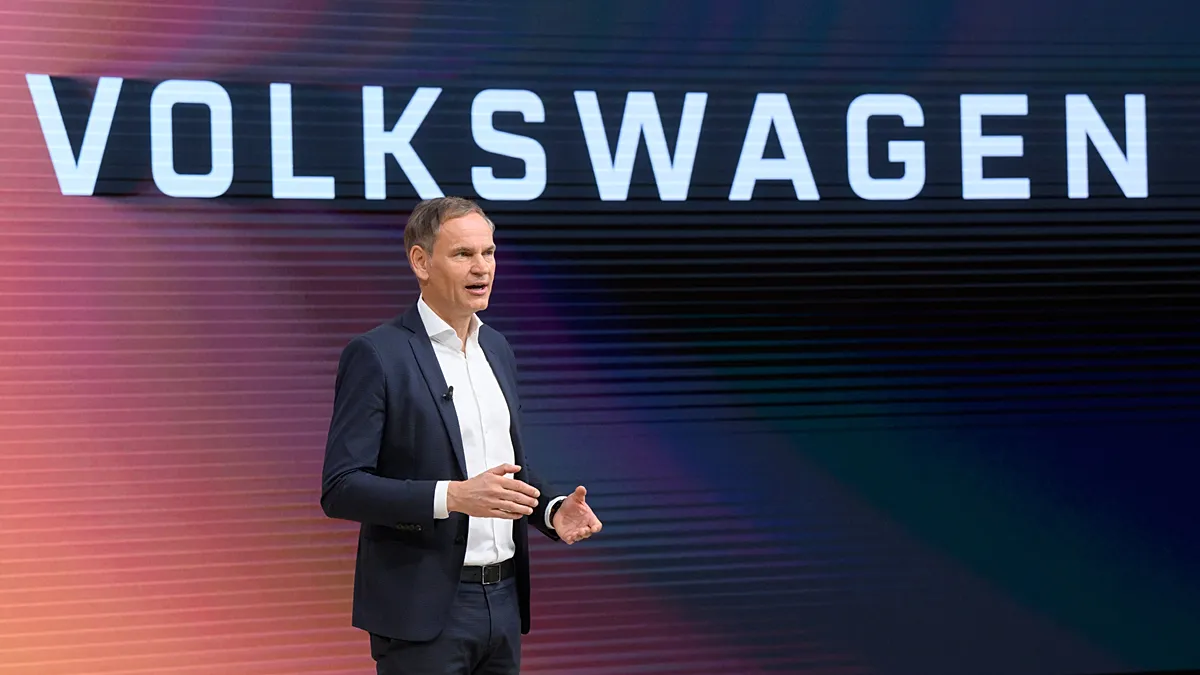
100 000 jobs and four plants – Volkswagen Group, headquartered in Wolfsburg, Germany, is set to undergo a sweeping transformation that could reshape its operations and workforce. A report from manager magazin, relying on insider information, reveals that CEO Oliver Blume is pushing for a significant restructuring, which includes slashing up to 100,000 jobs globally. This target surpasses the company’s earlier announcement of cutting around 50,000 positions by 2030, a plan already seen as a major shift in the automotive industry. The proposed changes also involve the closure of four production facilities, raising questions about the future of manufacturing in key locations.
A Bold Restructuring Strategy
The restructuring plan, which Blume has reportedly already submitted to the management board, is designed to streamline operations and boost efficiency. One of the report’s sources noted that the document avoids specifying exact numbers, leaving flexibility for future adjustments. This approach allows the company to adapt to market dynamics while maintaining strategic focus. The move signals a broader effort to address internal inefficiencies and external pressures, such as rising costs and shifting consumer demands.
Plant Closures and Model Life Cycles
In addition to workforce reductions, the plan includes the shutdown of four production sites. These would be the Volkswagen plants in Hanover, Zwickau, and Emden, as well as the Audi factory in Neckarsulm, located in Baden-Württemberg. The closures are tied to the end-of-life cycles of models currently manufactured at these locations. By phasing out older vehicle lines, the company aims to allocate resources toward newer, more profitable models and technologies.
Job Security Agreements Under Scrutiny
However, the proposed cuts face challenges due to existing job security agreements. At Volkswagen, these agreements are set to expire by the end of 2030, while Audi’s extend until 2033. This creates a potential conflict, as the plan may require more aggressive actions than previously anticipated. Legal experts suggest that navigating labor and collective bargaining laws will be critical to the success of the overhaul.
Spinning Off Core Brands and Divisions
As part of the restructuring, Volkswagen is also considering a fundamental reorganization of its corporate structure. The report indicates that both the core Volkswagen brand and its components division could be separated into independent entities. This strategy might enable easier access to capital markets for individual brands, fostering greater autonomy and investment opportunities. Such a move could also enhance competitiveness by allowing each division to operate more flexibly.
Financial Pressures and Market Challenges
The decision to overhaul operations comes amid financial difficulties. In the first quarter of 2026, the group’s net profit dropped by 28% to 1.56 billion euros, while revenue fell by 2% to 75.7 billion euros. These figures highlight a need for cost-cutting measures, as highlighted by Arno Antlitz, the company’s chief financial officer. In a candid statement, Antlitz warned:
“The cost savings planned so far are not enough. If we fail to do this, we are putting our future at risk.”
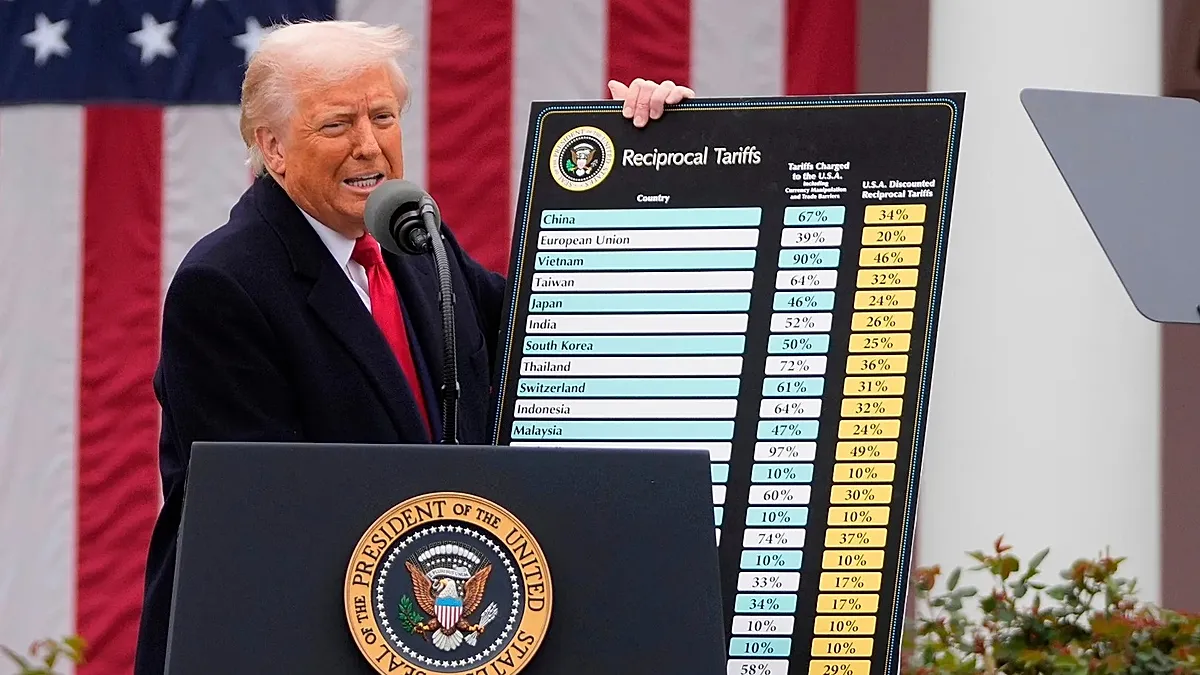
The financial strain is compounded by US tariffs, which are estimated to cost the group around four billion euros annually in additional expenses.
Strategic Shifts in Key Markets
Volkswagen’s challenges are not limited to the financial sector. The company has faced a decline in sales, particularly in its most critical market, China. In the first quarter of 2026, sales there fell by 20%, as Chinese automakers like BYD gain traction both domestically and in Europe. This trend underscores the competitive pressures Volkswagen faces in global markets and reinforces the need for restructuring. The company’s strategy now hinges on redefining its approach to production and branding.
Implications for Employees and Operations
The job cuts and plant closures could have profound effects on employees and local economies. With 100,000 positions at risk, the company must balance cost reduction with retaining skilled workers. The report suggests that the restructuring is not an abrupt decision but the result of a prolonged structural crisis. This crisis has forced Volkswagen to reassess its long-term viability and adapt to a rapidly changing industry landscape.
A New Era for Volkswagen?
While the overhaul is ambitious, its success depends on how effectively Volkswagen can implement the changes. The separation of the core brand and components division could lead to more efficient resource allocation, but it may also create logistical complexities. Additionally, the closure of four plants raises questions about regional economic impacts and the company’s commitment to certain locations. The plan’s flexibility, as noted by insiders, might allow for adjustments based on real-time feedback and evolving market conditions.
Global Competition and Innovation
Volkswagen’s restructuring efforts reflect a broader industry shift toward innovation and agility. With competitors like Tesla and traditional rivals such as Toyota and BMW vying for market share, the company must prioritize adaptability. The decision to spin off divisions and focus on high-demand models aligns with this goal. However, the path forward is not without risks, as the company must ensure that these changes do not undermine its brand identity or customer trust.
Looking Ahead
As Volkswagen moves forward with its radical overhaul, the automotive industry will be watching closely. The company’s ability to navigate labor laws, manage the transition of its workforce, and execute its restructuring plan will determine its future stability. With global markets becoming increasingly competitive, this transformation could be a turning point for Volkswagen. The question remains: will these measures ensure the company’s long-term survival, or will they accelerate its decline in an uncertain industry environment?