
‘We can’t take it anymore’: How Trump is pushing Cuba to the brink
‘We can’t take it anymore’: How Trump is pushing Cuba to the brink
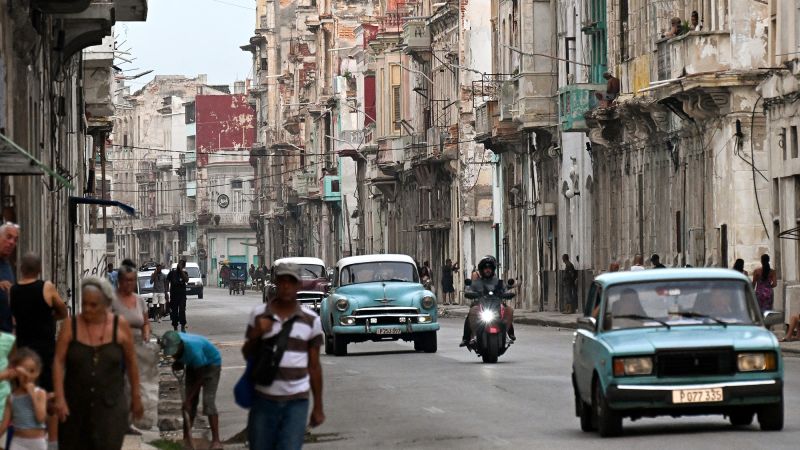
A Cuban man approached me on the street, his voice barely audible as he confided in a hushed tone. “Let the Americans come, let Trump come, it’s time to get this over with,” he said. This kind of statement carries risk in Cuba—especially now, as a US president escalates tensions in a manner reminiscent of the Cold War era. I glanced around to check if others were eavesdropping, and whether my cameraman, who was documenting the ongoing transportation crisis, was close enough to capture his words. The man, a bicycle-taxi driver, added, “We can’t take it anymore. People can’t feed their families.”
Over six decades have passed since Fidel Castro’s revolutionaries marched into Havana, marking the beginning of a nation that has weathered countless challenges. From failed CIA invasions to nuclear standoffs and mass exoduses, Cuba has endured. Now, Donald Trump’s policies are adding to that burden. “Cuba is going to fall soon,” Trump told CNN’s Dana Bash on Friday, a claim that echoes past US presidential rhetoric. Yet, the speed and precision of the oil embargo he has enforced stand out. This measure has severely strained Cuba’s already struggling economy, according to reports.
During his second term, Trump has launched aggressive efforts to topple leaders in Venezuela and Iran. Now, he claims Cuba is the next target. “The US will never again dictate terms to our island,” say officials I spoke with, despite the Cuban government’s claims of seeking a deal. The country remains defiant, with its speeches still ending in the rallying cry: “The homeland or death. We will be victorious!”
Blackouts have become a daily reality, often lasting for days instead of hours. When power flickers on at midnight, Cubans rise to prepare meals and press clothes, their routines disrupted. During a recent 36-hour outage, a group of men cooked a large pot over burning tree limbs on the sidewalk of Havana’s main avenue. “We have returned to the Stone Age,” one man remarked, his tone oddly cheerful.
With no fuel available, most cars sit idle. Government rentals for tourists are the only vehicles regularly able to refuel at state-run stations, prompting Cubans to siphon gas from these T-Plate cars to sell on the black market. A single tank of fuel now fetches over $300, exceeding the annual earnings of many citizens. Scavenging through trash for food has become a common sight, sometimes involving children.
“We can’t take it anymore,” the taxi driver said, his voice still low. “People can’t feed their families.”
Despite the crisis, some Cubans remain hopeful for change, no matter its source. When my cameraman finally returned, I asked if the driver wanted to share his thoughts for the story. He quickly walked away, unwilling to voice his grievances above a whisper—at least not yet.