UK Defence Secretary Resigns Over Military Spending Plans
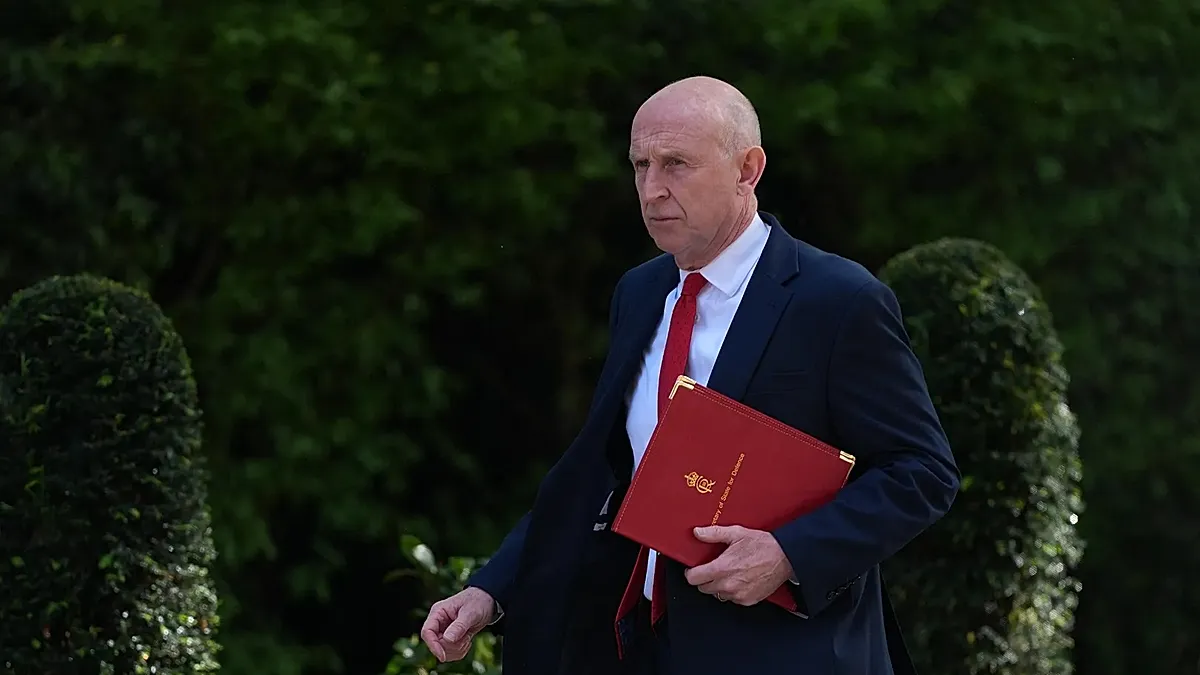
UK defence secretary resigns with stinging – The UK Defence Secretary has resigned, sparking debate over the government’s strategy for military funding. John Healey, who served as the nation’s top military official, announced his departure in a letter to Prime Minister Keir Starmer, criticizing the delayed release of the Defence Investment Plan (DIP). The plan, which was initially slated for Autumn 2025, has faced repeated postponements, leaving the armed forces without a clear financial roadmap amid heightened global security threats.
A Bold Statement on Funding Shortfalls
Healey’s resignation letter delivered a pointed message, accusing the Labour government of underfunding critical defence priorities. He argued that the current financial settlement for the military “fails to meet the necessary threshold to ensure the country’s safety,” emphasizing the growing risks posed by ongoing conflicts and geopolitical instability. This critique highlights the tension between the government’s economic agenda and its commitment to maintaining a robust military presence.
“The financial settlement I received is well below what is required for defence and the country at this dangerous time,” Healey wrote. “You know what defence needs. Without a DIP that reflects this urgency, I am forced to make decisions that could compromise our forces’ readiness and increase the risk to personnel on operations.”
Analysts have noted that the delayed DIP reflects broader challenges in balancing fiscal responsibility with security demands. With the UK facing multiple international crises, the lack of a definitive spending plan has raised concerns about the Ministry of Defence’s ability to sustain operations. Healey’s departure signals a shift in priorities, as he accused the government of prioritizing other areas over military preparedness.
Support and Political Context
Despite his resignation, Healey expressed confidence in the Labour administration’s long-term vision, stating his role had been “proudly undertaken.” His colleagues in the party, including UK minister of state for the armed forces Al Carns, praised his dedication to national security. Carns highlighted Healey’s “unwavering commitment to the armed forces,” even as he acknowledged the complexities of the current funding strategy.
“John Healey has shown exceptional leadership in navigating these challenges,” Carns wrote on X. “His work has been instrumental in ensuring the Ministry of Defence remains resilient in the face of uncertainty.” This support underscores the importance of Healey’s role in shaping the UK’s defence policy, even as his departure creates a leadership vacuum within the Labour government.
Healey’s resignation adds to a wave of ministerial exits in the Starmer administration, reflecting internal pressures over policy direction. The timing of his departure coincides with increased scrutiny of the government’s ability to deliver on promises of economic stability and national security. As the DIP remains unresolved, questions linger about the sustainability of the current military funding approach.
Political Reactions and Implications
Opposition leaders have seized on Healey’s resignation to critique the Labour government’s priorities. Reform UK’s Robert Jenrick praised the Defence Secretary’s “courage” in exposing misallocated funds, accusing Starmer and Chancellor Rachel Reeves of neglecting military needs. Jenrick argued that the government has prioritized “foreign aid and benefits for foreigners” over the UK’s defence capabilities.
Conservative MP James Cleverly echoed these sentiments, stating that Healey “clearly takes defence of the realm more seriously than either Starmer or Reeves.” The comments highlight a growing political divide over how resources should be distributed, with some factions viewing the DIP as a symbol of the Labour administration’s fiscal mismanagement. As the UK’s security landscape evolves, the debate over military spending will likely intensify in the coming months.
Healey’s resignation marks a significant moment in the Labour government’s tenure, underscoring the high stakes of the Defence Investment Plan. With the plan still pending, the nation’s armed forces now face the challenge of operating with limited guidance. The decision may also influence future appointments and policy directions, as the government seeks to reconcile its economic goals with the need for strategic military readiness.