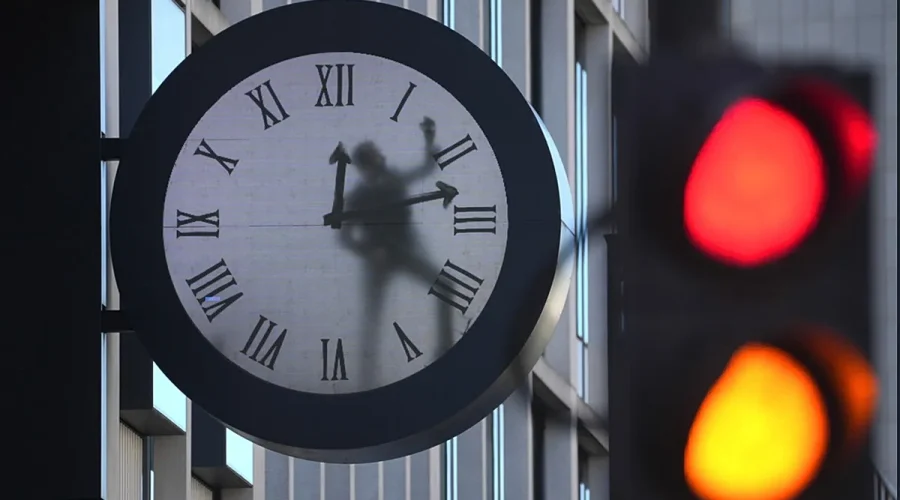
Europe’s Clock Changes Continue Despite Long-Standing Plan to End Them
Usagevpn.com – Many people across Europe will again adjust their clocks this autumn, even though the European Union approved plans years ago to end the practice. On the night of 24 to 25 October 2026, clocks in much of the continent will move back one hour, shifting from 3 a.m. to 2 a.m.
For people not working overnight, the change brings an extra hour of sleep. It also means brighter mornings and earlier darkness in the evening as Central European Summer Time comes to an end. Most countries using that system will return to Central European Time, often called winter time.
The repeated ritual remains in place because EU governments have yet to settle on a shared permanent time system. Although public opposition to changing clocks has been substantial and the European Parliament supported abolition, a final agreement has never been reached.
A popular idea that stalled in practice
The case for stopping seasonal clock changes appeared strong in 2018, when an EU-wide consultation showed that 84% of respondents wanted the twice-yearly switch to disappear. The result reflected broad dissatisfaction with the disruption caused by moving clocks forward in spring and back in autumn.
In 2019, the European Parliament backed a European Commission proposal to abolish the clock change. MEPs voted 410 to 192 in favour of the measure, which was initially intended to take effect in 2021.
That timetable never became reality. The proposal still requires approval from EU member states, and governments have been unable to agree on the central question: should countries remain permanently on summer time or permanently on winter time?
The disagreement is more than symbolic. If neighbouring countries adopted different permanent arrangements, businesses, transport systems, cross-border workers and other organisations could face new scheduling complications. A coordinated approach is therefore seen as necessary before the current rules can be removed.
Without a joint decision, the existing system remains the default. That makes a near-term end to Europe’s seasonal clock changes unlikely.
What happens in October 2026
In most of continental Europe, the autumn time change takes place on the final Sunday of October. This year, the clock adjustment occurs overnight between Saturday 24 October and Sunday 25 October.
At 3 a.m., clocks will be turned back to 2 a.m. The repeated hour can matter for night workers, transport operators and anyone travelling during the change. For most households, however, the immediate effect is simply an additional hour before Sunday morning begins.
Portugal and the United Kingdom will also change their clocks, though their adjustment happens one hour earlier than in most of continental Europe. The United States follows a separate calendar: daylight saving time there will end on 1 November.
Not every country observes seasonal time changes. Morocco, Thailand, Japan, Argentina and South Africa are among the places where clocks are not moved twice a year. The varied international approach can add another layer of complexity for travellers, international businesses and people arranging calls across time zones.
Why the system was introduced
Europe’s modern summer-time arrangements were shaped by the energy concerns of the 1970s. France introduced summer time in 1976 during the oil crisis, with energy saving presented as the key reason. West Germany and other states later followed France’s example in 1980 to help align time arrangements across Europe.
Over time, the original energy-saving argument has lost much of its force. The issue is now more often discussed in terms of daily routines, public preference and the practical effects of disrupting established sleep patterns twice each year.
Even so, replacing the current approach has proved harder than criticising it. Ending clock changes would require governments to choose a lasting standard and avoid a patchwork of different time regimes across the EU.
What remains unresolved
The European Parliament’s 2019 vote did not itself complete the legislative process. Member states must still give their approval before a final law can take effect. Their inability to choose between permanent summer time and permanent winter time has kept the proposal frozen.
Other major events also diverted political attention. The COVID-19 pandemic and Russia’s full-scale invasion of Ukraine pushed the clock-change question lower on the EU agenda, leaving the planned reform without the momentum needed for a final settlement.
As a result, Europeans continue to follow the familiar seasonal pattern. Clocks go forward in spring and back in autumn, despite years of debate about whether the practice should end.
For now, the October change remains a practical reminder that public support and parliamentary backing are not enough on their own to alter EU-wide rules. Until member states agree on a common permanent time arrangement, the twice-yearly adjustment will continue.
Related Reading
Frequently Asked Questions
What is EU planned to scrap clock changes?
EU planned to scrap clock changes is the main topic of this guide. The article explains the context, practical details, and next steps readers should understand.
Why does EU planned to scrap clock changes matter?
EU planned to scrap clock changes matters because readers are looking for a useful answer, not just a short summary. Good content should match search intent and help them decide what to do next.