We Have Already Given Enough: Bulgaria’s Prime Minister Announces Shift in Military Aid to Ukraine
We have already given enough – Bulgaria’s prime minister, Rumen Radev, has declared an end to the country’s provision of weapons from its military stockpile to Ukraine, signaling a strategic pivot in its approach to the ongoing conflict. The announcement, made during a press briefing ahead of a cabinet meeting, emphasized the need for a diplomatic resolution to the war, which has placed significant strain on Bulgaria’s socio-economic stability. Radev’s statement comes amid growing internal debates about the country’s role in the war, as Bulgaria balances its alliances with both NATO and the European Union against the pressure to support Ukraine’s defense efforts.
A Diplomatic Turn in Bulgarian Policy
Speaking to reporters, Radev asserted that Bulgaria had fulfilled its obligations in the war effort, stating,
“We have already given enough, while our country continues to suffer socio-economic damage from this bloody war.”
This declaration marks a departure from earlier commitments, as the government seeks to reallocate resources and focus on negotiating an end to the hostilities. Radev, known for his pro-Russian stance and advocacy for dialogue with Moscow, has consistently framed Bulgaria’s involvement as a balanced contribution to European security.
His remarks highlight a broader sentiment within the Bulgarian government that military aid alone cannot resolve the crisis. Radev argued,
“We are convinced that a peaceful solution to the Ukraine war will not be achieved by military means.”
Instead, he called for a “comprehensive and realistic approach,” urging both sides to prioritize diplomacy over continued escalation. This position aligns with his political philosophy, which emphasizes cooperation and economic pragmatism over aggressive military posturing.
Defense Minister Supports the Shift
Bulgaria’s defense minister, Dimitar Stoyanov, echoed Radev’s sentiments, reinforcing the idea that the conflict is entering a phase where attrition, rather than decisive battlefield victories, defines its trajectory.
“What we are witnessing is a war of attrition, and no matter how much weaponry is amassed, its only result is the loss of human lives,”
Stoyanov stated, underscoring the human cost of prolonged military action.
Stoyanov’s comments emphasize that Ukraine’s current needs are more about personnel than additional arms, noting,
“It has enough weapons, so we do not envisage providing more weapons to the Ukrainian army.”
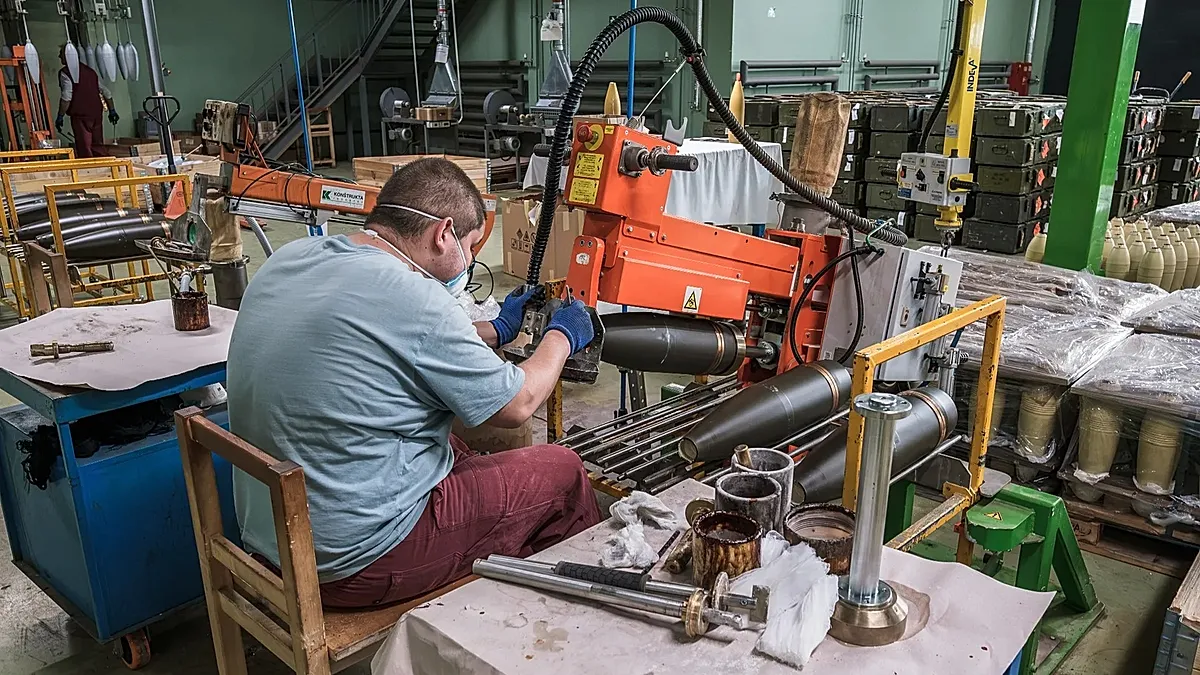
While the defense industry will continue supplying ammunition, the focus is shifting from direct military contributions to supporting diplomatic negotiations. This dual strategy reflects Bulgaria’s desire to remain a key player in European defense while reducing its exposure to the war’s escalating toll.
Historical Role and Current Challenges
Since Russia’s full-scale invasion of Ukraine began in 2022, Bulgaria has played a vital role in providing military support, particularly through its stockpiles of Soviet-era equipment. These shipments were instrumental in the early stages of the war, helping to bolster Ukraine’s defenses against Russian advances. However, as the conflict dragged on, Bulgaria faced political challenges at home, with some factions questioning the cost of continued aid.
Despite these controversies, the country’s defense sector has remained a critical supplier of ammunition to Kyiv. Stoyanov highlighted that the war has become a test of endurance, with both sides sustaining heavy losses.
“The war will not be resolved on the battlefield,”
he said, pointing to the need for a “just peace” that addresses the interests of all parties involved.
Radev’s decision to end the provision of weapons from the Bulgarian army stocks is part of a broader reevaluation of national priorities. The government has been compensated for its arms exports through the EU’s European Peace Facility fund, which has helped offset the financial burden. However, this arrangement has also sparked debates about the sustainability of such support and the long-term implications for Bulgaria’s international standing.
Political Dynamics and Domestic Criticism
The shift in policy has drawn criticism from Bulgaria’s center-right GERB party, led by former Prime Minister Boyko Borissov. The party argued that halting direct military aid risks eroding “trust in Bulgaria as an ally,” as the country’s commitment to Ukraine is seen as a cornerstone of its European identity. GERB’s opposition to the change reflects a divide between the ruling party’s more moderate stance and the traditional hardline views of some political factions.
Radev’s administration, which took office in May after securing a parliamentary majority, has faced pressure to align with NATO’s collective defense posture. However, Radev’s emphasis on diplomacy suggests a desire to distinguish Bulgaria’s approach from that of its Western allies. “The EU’s role is extremely important,” Stoyanov noted, adding that the bloc’s support for Ukraine has already made it a natural mediator in peace talks. This statement underscores the EU’s dual role as both a provider of aid and a potential arbiter in the conflict.
Bulgaria’s military aid has also been a source of domestic debate. While the defense industry continues to supply ammunition, the government’s decision to stop using army stocks signals a more cautious approach. This move may be seen as a response to public sentiment, which has grown increasingly weary of the war’s economic impact. The socio-economic strain includes rising inflation, energy costs, and a shrinking workforce, all of which have fueled calls for a return to stability.
Long-Term Strategy and Future Commitments
As part of its broader defense strategy, Bulgaria has announced plans to increase military spending to 5% of GDP by 2030. This target reflects the country’s recognition of the need for long-term investment in national security, even as it adjusts its immediate contributions to the Ukraine war. Stoyanov emphasized that this increase would allow Bulgaria to maintain its capacity to support allies while strengthening its own military readiness.
The country’s role in the conflict has also been shaped by its position as a NATO and EU member. While Bulgaria has remained a reliable partner in both organizations, its aid to Ukraine has occasionally been viewed through a different lens. For instance, shipments were often routed through third countries to avoid direct confrontation with Russia, a tactic that has been both practical and politically strategic.
Radev’s remarks, combined with Stoyanov’s statements, signal a growing consensus within the Bulgarian government that the war requires a multifaceted solution. While the military remains a key instrument of defense, the emphasis on diplomacy reflects a belief that sustainable peace can only be achieved through dialogue and compromise. This approach may also help Bulgaria navigate its complex relationship with Russia while maintaining its commitments to European unity.
The decision to end the provision of weapons from army stocks is not without precedent. Several previous Bulgarian governments have expressed reluctance to deliver arms directly to Ukraine, though the country’s defense industry has consistently stepped in to fill the gap. Radev’s current strategy aims to formalize this transition, ensuring that Bulgaria’s contributions are both measured and aligned with its long-term goals.
As the war enters a new phase, Bulgaria’s shift in policy may influence other nations to reconsider their own military support. The country’s stance highlights the challenges faced by nations caught between the demands of their allies and the realities of their own economic and social pressures. Radev’s vision of a diplomatic solution offers a model for balancing these competing interests, with the hope that it will lead to a lasting resolution of the conflict.