Exit Polls Show CDU Losses in Berlin and Mecklenburg-Western Pomerania
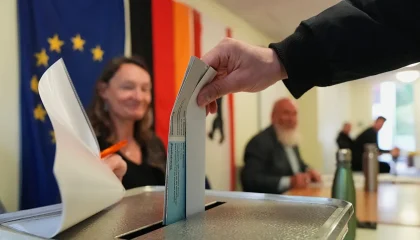
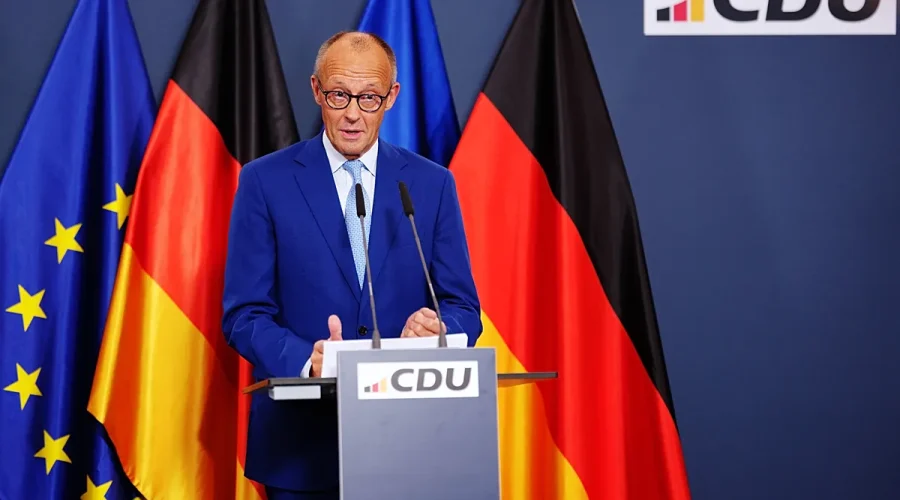
Usagevpn.com – News: exit polls show Merz facing a difficult political moment after projections indicated heavy losses for Chancellor Friedrich Merz’s Christian Democratic Union in two German state elections held on Sunday. The results in Berlin and Mecklenburg-Western Pomerania increase pressure on the centre-right leader 16 months into his chancellorship.
In Mecklenburg-Western Pomerania, a largely rural state in Germany’s former communist east, the CDU was projected to win just 5.5% of the vote. If confirmed, that would be the party’s worst result in the state since the end of the Second World War.
Berlin brought little relief. An exit poll for public broadcaster ARD placed the CDU on 20%, behind the Left Party on 24.5%. The projection put the CDU in second place in the capital.
AfD Gains Add to Pressure on Germany’s Mainstream Parties
The Alternative for Germany made significant gains in the regional contests, adding to the pressure on Merz and the CDU. The elections came two weeks after the AfD narrowly missed an outright majority in Saxony-Anhalt, a small eastern German state.
That result was regarded as the party’s strongest chance so far to lead Germany’s first far-right regional government since the Second World War. Its performance has sharpened attention on changing voter support in eastern Germany and the challenges facing established parties.
The news that exit polls show Merz’s CDU on 5.5% in Mecklenburg-Western Pomerania is particularly symbolic. The party, long a central force in German politics, now faces exceptionally weak support in an eastern state.
Berlin has a very different political landscape, but the CDU’s projected second-place result points to a similar problem. Voters in the capital appeared more willing to back the Left Party, leaving the CDU behind on 20%.
Merz Faces Internal Calls for Change
Merz, 70, became Germany’s leader promising to revive an economy that had been stagnant for years. He has yet to improve the country’s gloomy national mood, while his personal popularity has fallen sharply during his time in office.
The AfD’s recent strength in Saxony-Anhalt has further weakened Merz’s national standing. In the past two weeks, some CDU voices have called for his replacement, although leading allies have not publicly demanded his resignation.
Senior party figures have instead warned against allowing a leadership dispute to become deeply divisive. Merz must now respond to poor election projections while keeping the CDU united and pursuing his government’s agenda.
He cancelled a planned trip to New York next week, where he had been expected to attend the United Nations General Assembly, signalling the immediate importance of the domestic political situation.
Chancellor Says He Will Remain in Office
After the exit polls were released, Merz said he intended to stay on as CDU leader and chancellor until the end of his term. He presented the coming period as a test of whether his government could continue reforms despite electoral setbacks.
The reforms have to come.
Merz said he had taken on the responsibility of office because he wanted to move Germany forward.
I am taking on this responsibility because I want to move our country forward.
FAQ: What Do These German Exit Polls Mean?
What is an exit poll?
An exit poll is an estimate based on how people say they voted after leaving polling stations. It offers an early indication of the result, but final official counts can differ.
Why are the CDU results important?
The projected losses matter because they increase pressure on Merz as chancellor and CDU leader. The Mecklenburg-Western Pomerania projection would be especially serious if confirmed, given its historic low level of support.
What happens next for Merz?
Merz has said he will remain in office and continue pursuing reforms. The immediate challenge will be managing internal CDU tensions while responding to voter dissatisfaction highlighted by the state election projections.