
Advantages Of Proxy Server
In today’s digital landscape, where online security and privacy are paramount concerns, proxy servers serve as invaluable tools in enhancing internet browsing experiences. Let’s explore the various advantages offered by proxy servers and how they contribute to a safer, faster, and more efficient online environment.
What is Proxy Server
Proxy servers, often referred to simply as proxies, act as intermediaries between users and the internet. They facilitate communication between users and web servers by forwarding requests and responses, thereby serving as a buffer between the user’s device and the internet.
This intermediary role brings about several benefits, making proxy servers indispensable components of modern internet infrastructure.
Advantages Using Proxy Server
Enhanced Privacy
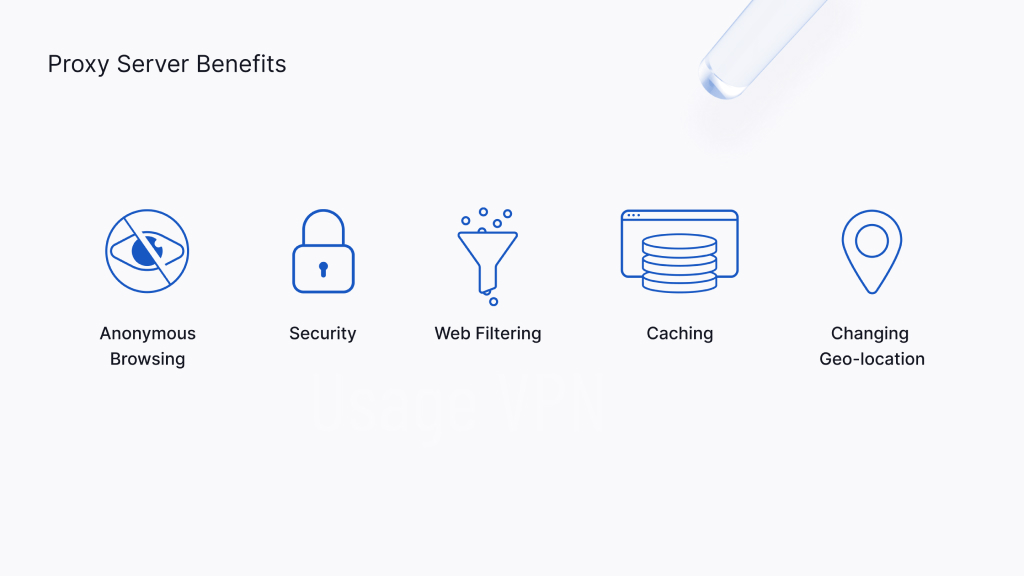
One of the primary advantages of using a proxy server is the enhanced privacy it provides. By acting as a middleman between the user and the internet, a proxy server masks the user’s IP address, making it difficult for websites and online services to track their online activities.
This added layer of anonymity offers users a sense of security and confidentiality when browsing the web. It enables them to access content and services without revealing their true identity or location, enhancing their online privacy and security.
Improved Security
Proxy servers offer an additional layer of security by filtering incoming and outgoing traffic, blocking potentially malicious content, and preventing unauthorized access to sensitive information. This proactive approach to security helps safeguard users’ devices and networks from various online threats, including malware, viruses, and cyberattacks.
Moreover, proxy servers can also enforce access controls and authentication measures, ensuring that only authorized users can access specific resources or websites. By monitoring and regulating internet traffic, proxy servers help organizations maintain compliance with security policies and regulations, further enhancing overall cybersecurity posture.
Access to Blocked Content
Proxy servers allow users to bypass geo-restrictions and access content that may be restricted or censored in their region. By connecting to a proxy server located in a different geographic location, users can access websites and online services that may otherwise be unavailable to them. This capability is particularly useful for individuals seeking access to region-locked content such as streaming services, social media platforms, and news websites.
Additionally, proxy servers can improve internet speeds and bandwidth utilization by caching frequently accessed web content. By storing copies of web pages and files locally, proxy servers reduce the need for repeated requests to remote servers, resulting in faster load times and reduced network congestion. This caching mechanism not only enhances user experience but also helps conserve bandwidth and optimize network performance.
Bandwidth Savings
Proxy servers can cache frequently accessed content, such as web pages and multimedia files, reducing the need for repeated downloads and conserving bandwidth. This caching mechanism helps improve network performance and speeds up internet browsing for users. By storing copies of commonly requested data locally, proxy servers can quickly retrieve and deliver content to users without needing to fetch it from the original source each time a request is made.
Additionally, proxy servers enhance security by acting as intermediaries between users and the internet, filtering incoming and outgoing traffic to block potentially harmful content and prevent unauthorized access to sensitive information. This additional layer of protection helps safeguard users’ devices and data from various online threats, including malware, phishing attacks, and data breaches.
Faster Speeds
In some cases, using a proxy server can lead to faster internet speeds, especially when accessing content that is cached locally on the proxy server. By retrieving content from nearby servers, proxy servers can reduce latency and improve overall browsing speeds.
This optimization is particularly beneficial for frequently accessed websites and multimedia files, as they are stored closer to the user’s location, resulting in quicker loading times and smoother browsing experiences.
Moreover, proxy servers offer an added layer of privacy and security by masking users’ IP addresses and encrypting their online activities. This anonymity helps protect users’ identities and sensitive information from prying eyes, ensuring a safer and more private internet browsing experience.
Additionally, proxy servers can bypass geographical restrictions and access blocked content, allowing users to explore the internet freely and access online services that may be restricted in their region.
Content Filtering
Proxy servers enable organizations to enforce content filtering policies, restricting access to certain websites or categories of content based on predefined rules. This feature helps organizations maintain productivity, security, and compliance with regulatory requirements.
By filtering incoming and outgoing traffic, proxy servers can block access to malicious websites, phishing attempts, and other online threats, reducing the risk of cyberattacks and data breaches. Additionally, content filtering allows organizations to control access to non-work-related websites, minimizing distractions and ensuring employees focus on their tasks.
Moreover, proxy servers provide organizations with insights into internet usage patterns and trends, allowing them to monitor and analyze employees’ online activities. This visibility helps organizations identify potential security risks, enforce acceptable use policies, and optimize network performance.
Additionally, proxy servers can cache frequently accessed content, reducing bandwidth usage and speeding up internet browsing for users. This caching mechanism enhances user experience and ensures efficient utilization of network resources.
Load Balancing
In distributed computing environments, proxy servers can distribute incoming network traffic across multiple servers, ensuring optimal resource utilization and preventing server overload. This load balancing mechanism helps improve scalability, reliability, and performance in high-traffic environments.
Anonymity
Proxy servers provide users with a level of anonymity by masking their IP addresses and encrypting their internet traffic. This anonymity is particularly valuable for users who wish to protect their privacy and identity online.
By rerouting their internet connection through a proxy server, users can effectively hide their real IP address from websites, online services, and potential snoopers. This added layer of security helps prevent tracking of online activities, reducing the risk of surveillance, targeted advertising, and identity theft.
Network Performance Optimization
By optimizing network traffic and resource allocation, proxy servers help improve overall network performance, reduce latency, and enhance user experience. This optimization is achieved through caching, compression, and traffic management techniques.
Cost-Effective Solutions
Proxy servers offer cost-effective solutions for organizations looking to optimize their internet connectivity, improve security, and enhance user privacy without investing in expensive hardware or infrastructure.
Conclusion
In conclusion, the advantages of proxy servers extend far beyond basic internet browsing. From enhanced privacy and security to improved network performance and access to blocked content, proxy servers offer a wide range of benefits for users and organizations alike. As internet usage continues to evolve, leveraging the advantages of proxy servers becomes increasingly essential in navigating the digital landscape effectively.
FAQ
Can proxy servers completely hide my online activities?
While proxy servers provide anonymity by masking IP addresses, they may not completely hide all online activities, especially if additional security measures are not implemented.
Are proxy servers legal to use?
Yes, proxy servers are legal to use. However, their legality may vary depending on the jurisdiction and intended use.
Can proxy servers be used for malicious purposes?
While proxy servers offer numerous benefits, they can also be exploited for malicious activities if not properly secured. It’s essential to use reputable proxy services and implement appropriate security measures.
Do proxy servers slow down internet speeds?
In some cases, using a proxy server may result in slightly slower internet speeds due to the additional routing and processing involved. However, the impact on speed can vary depending on various factors, including the server’s location and network conditions.
How can I set up a proxy server?
Setting up a proxy server typically involves configuring network settings or using proxy software. Detailed instructions can vary depending on the operating system and proxy server software being used.