Israeli Airstrikes Claim Three Lives Across Lebanon’s South and East
Usagevpn.com – Lebanon’s overnight hours brought fresh bloodshed as Israeli warplanes struck multiple sites in the country’s southern and eastern provinces, killing three civilians and wounding at least fifteen others, the Lebanese health ministry confirmed. The strikes landed across five separate locations spanning the Nabatieh, Tyre, and Bekaa governorates, marking yet another escalation in a conflict that has consumed the region since March.
What Happened on the Ground
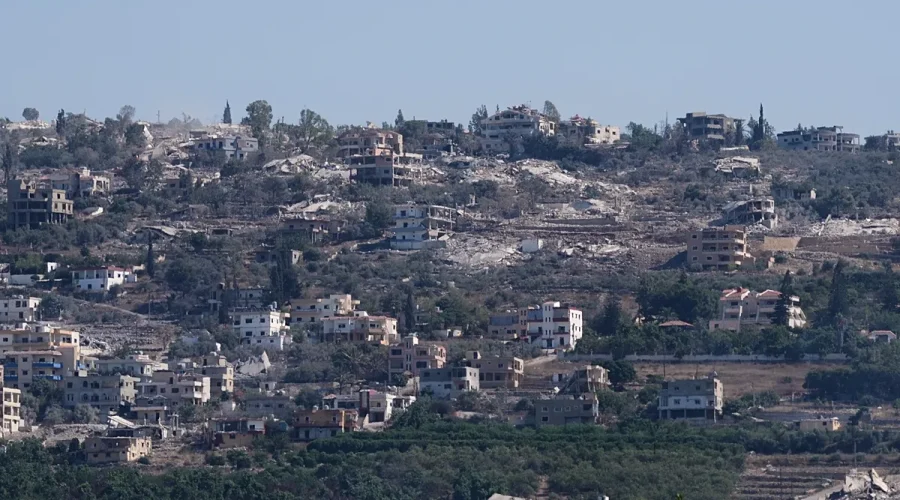
In the town of Ramadiyah, situated in the southern Tyre district, a single strike proved fatal to one resident while leaving fifteen more with injuries ranging from shrapnel wounds to blast trauma. Separately, two additional people were killed in the Nabatieh region, where Israeli aircraft reportedly hit multiple targets within the same operational window. The health ministry’s tally places the overnight death toll at three, though local officials in affected villages cautioned that rescue crews were still working through rubble as daylight arrived.
The geographic spread of the strikes — from the coastal Tyre area through the Bekaa Valley to the interior of Nabatieh — underscores that Israeli air power is not confined to a narrow border corridor. By hitting sites across three distinct governorates in a single night, the campaign signals an intent to pressure Hezbollah’s logistical network wherever it threads through Lebanese territory.
IDF Explains the Rationale
In a statement issued on Saturday, the Israel Defense Forces said the strikes were directed at Hezbollah infrastructure in southern Lebanon. The military framed the operation as a direct reply to what it described as a Hezbollah attempt to hit Israeli soldiers positioned in the security zone along the border.
“In response to Hezbollah’s attempted attack yesterday against IDF troops operating in the security zone, during which a drone was launched toward troops,” the IDF said, adding that the attacks hit “weapons storage facilities” used by the Iran-backed militant group.
The Israeli military also released video footage that appeared to capture one of the strikes in progress, showing explosions tearing through what officials identified as a depot where the group stored munitions. The decision to share imagery within hours of the operation reflects a broader pattern in which the IDF seeks to shape the narrative around each round of fighting, presenting each strike as proportionate and targeted rather than indiscriminate.
Netanyahu Signals No De-escalation
Speaking on Friday, Prime Minister Benjamin Netanyahu declared that military operations aimed at what he called the task of thwarting terrorism were proceeding with full force across three fronts simultaneously: Lebanon, Gaza, and the West Bank. His remarks, delivered while the overnight strikes were still reverberating through Lebanese villages, left little room for diplomatic interpretation. The phrasing suggests that Israel views the Lebanon campaign not as a discrete episode but as one thread in a wider, ongoing military posture.
How the Conflict Reached This Point
The present round of hostilities traces back to March, when Hezbollah opened a sustained rocket barrage against Israeli territory. The group’s stated motive was retaliation for the killing of former Iranian Supreme Leader Ayatollah Ali Khamenei, an event that sent shockwaves through the axis of states and militias aligned with Tehran. Israel’s response was swift and layered: renewed aerial bombardment of Lebanese targets followed by a ground incursion into southern Lebanon, a move that transformed what had been a cross-border exchange into a conventional military operation on Lebanese soil.
Since that March escalation, the border area has functioned as a quasi-war zone. Villages in Tyre and Nabatieh have endured repeated waves of strikes, displacement, and infrastructure damage. The Bekaa Valley, long considered a relative backwater in Lebanese politics, has now entered the firing line as well, complicating humanitarian access and deepening the economic strain on a country already reeling from years of fiscal collapse.
Implications and What Comes Next
Each overnight cycle of strikes raises the question of whether either side is moving toward a negotiated pause or whether the conflict has settled into a grinding attrition pattern. The IDF’s emphasis on “weapons storage facilities” suggests a strategy of systematically degrading Hezbollah’s ability to project force, while the group’s continued drone launches — however small in scale — indicate it still seeks to demonstrate operational reach. The three deaths reported by the health ministry, though modest in number, land in communities already exhausted by months of displacement and fear, and they will feed into growing domestic pressure on Lebanon’s government to secure guarantees of territorial integrity.
For now, the pattern is clear: a drone launch, an Israeli response across multiple sites, a casualty report from Beirut, and a statement from Jerusalem reaffirming that the campaign will not pause. Whether that cycle can be broken remains the central question facing diplomats, regional mediators, and the civilians still sheltering in basements from Tyre to Bekaa.
Related Reading
Frequently Asked Questions
What is Three killed in Israeli strikes on Lebanon?
Three killed in Israeli strikes on Lebanon is the main topic of this guide. The article explains the context, practical details, and next steps readers should understand.
Why does Three killed in Israeli strikes on Lebanon matter?
Three killed in Israeli strikes on Lebanon matters because readers are looking for a useful answer, not just a short summary. Good content should match search intent and help them decide what to do next.