Iceland’s EU Referendum: How Misinformation and Deep-Seated Fears Shaped a 52.8% “No” Vote
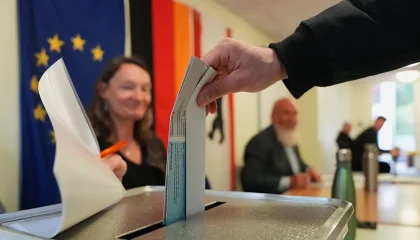
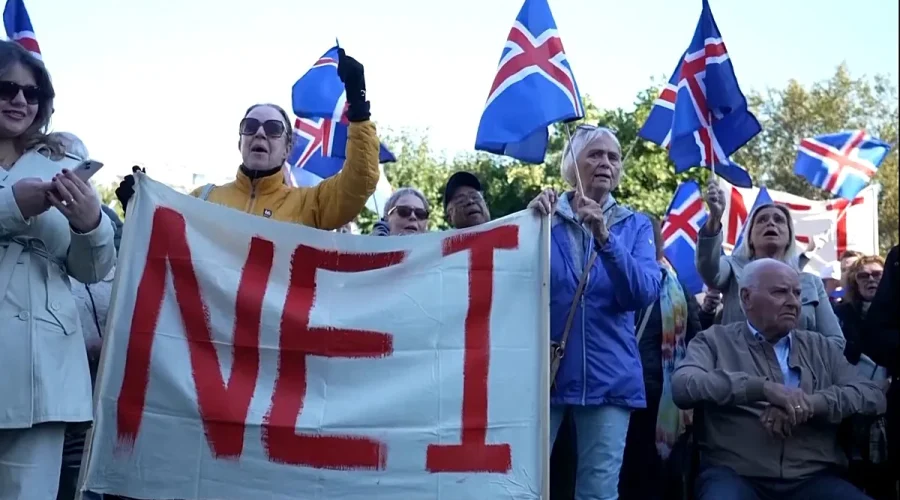
Usagevpn.com – On 29 August, Icelanders delivered a decisive rejection of resuming accession talks with Brussels, voting against by a margin of 52.8%. The decision leaves negotiations — frozen since 2013 — in indefinite limbo and underscores just how deeply embedded certain anxieties remain in Icelandic political culture. The campaign that preceded the ballot was intense, and like many high-stakes public votes in recent years, it was saturated with contradictory statements, half-truths, and outright inaccuracies that circulated through social media and traditional outlets alike.
The Fisheries Flashpoint and a Misreported Diplomatic Exchange
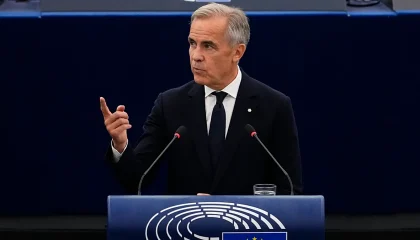
At the heart of the debate sat one question: what would EU membership mean for Iceland’s fishing rights? A handful of outlets published stories alleging that Iceland’s foreign affairs minister, Þorgerður Katrín Gunnarsdóttir, had told Dutch Prime Minister Rob Jetten that a special carve-out from the Common Fisheries Policy was under discussion. The Dutch government pushed back forcefully, stating that no such exemption had been negotiated or even seriously proposed. Gunnarsdóttir subsequently distanced herself from the reported remarks, and the press largely conceded the story had been substantially distorted.
Even so, the episode struck a chord. Sovereignty over fishing grounds is not an abstract policy preference in Iceland; it is a matter of national identity. The country’s history includes the Cod Wars — a series of tense, sometimes violent confrontations with Britain over fishing rights in the 1950s and again in the 1970s. That legacy means any suggestion that Iceland might cede quota control triggers immediate alarm. Under the Common Fisheries Policy, new members typically surrender a portion of their national quota. How much Iceland would lose remains contested. Some analysts contend the share would be modest, concentrated on pelagic species such as herring, sardine, and mackerel — fish that migrate across open water rather than residing permanently within Icelandic territorial limits.
Why the Issue Carries Extraordinary Weight
The economic stakes are concrete. Roughly four percent of Iceland’s labour force works in fisheries, and the sector contributes approximately eight percent of gross domestic product. International relations scholar Arno Minasian, speaking to a fact-checking team, stressed that the chapter on fisheries was never actually negotiated during the original 2009 accession process.
“Iceland didn’t get to negotiate fisheries and agriculture in 2009, either. The EU and Iceland never actually got to those chapters, which is concerning, because those are the really big, important chapters for Iceland.”
Minasian went further, arguing that without a clear bilateral framework already in place, it would be unrealistic to expect the Icelandic public to accept quota impositions flowing from the Common Fisheries Policy.
“If Iceland and the EU cannot negotiate this in the first place, it’s quite unrealistic that Icelanders would agree on imposing these quotas through the Common Fisheries Policy.”
In his assessment, the failure to resolve this question early in the campaign likely dampened enthusiasm among voters who might otherwise have supported a renewed dialogue with Brussels.
The EEA Misconception: “Already Inside” Is Not the Same as Membership
A second thread of misinformation concerned what Iceland already receives through its European Economic Area membership. Former Prime Minister Sigmundur Davíð Gunnlaugsson, now leading the Centre Party, argued that Reykjavík already enjoys the full catalogue of EU benefits by virtue of the EEA, and that formal accession would bring only additional obligations without commensurate gains.
The claim is partially true but materially incomplete. EEA membership does require Iceland to implement much of the EU’s single-market acquis, meaning Icelandic businesses already operate under a large body of European economic regulation. What the arrangement does not provide is a voice in rule-making. Iceland holds no seats in the European Parliament, occupies no position within the European Commission, and has no formal vote when new regulations are drafted. It also forgoes access to certain EU structural funds, agricultural subsidies, and other financial instruments available only to member states. In short, Iceland follows the playbook without a seat at the drafting table.
The Cost Question: A Billion or Sixty Million?
Perhaps no figure divided the camps more sharply than the estimated annual cost of membership. Advocates on the “No” side floated estimates as high as one billion euros per year. Prominent pro-EU voices countered with a figure just above fifty million euros. Independent analysis by the think tank Evropustraumar placed the net annual cost closer to sixty million euros — substantially nearer the pro-membership estimate than the opposition’s. The gap between the two camps’ numbers, left unaddressed during the campaign, likely reinforced scepticism among undecided voters.
What Comes Next
With negotiations paused and the referendum result now binding, Iceland faces a period of recalibration. The government must decide whether to revisit the question on a different timetable, seek clarifications from Brussels on fisheries and agricultural chapters, or accept the status quo indefinitely. For a nation whose economic identity is woven into its maritime resources, the answer will not be simple — and the next time the question returns, the accuracy of the information reaching voters will matter more than ever.
Related Reading
Frequently Asked Questions
What is Fact check?
Fact check is the main topic of this guide. The article explains the context, practical details, and next steps readers should understand.
Why does Fact check matter?
Fact check matters because readers are looking for a useful answer, not just a short summary. Good content should match search intent and help them decide what to do next.