German Industrial Output Rises, Yet Recovery Remains Uncertain
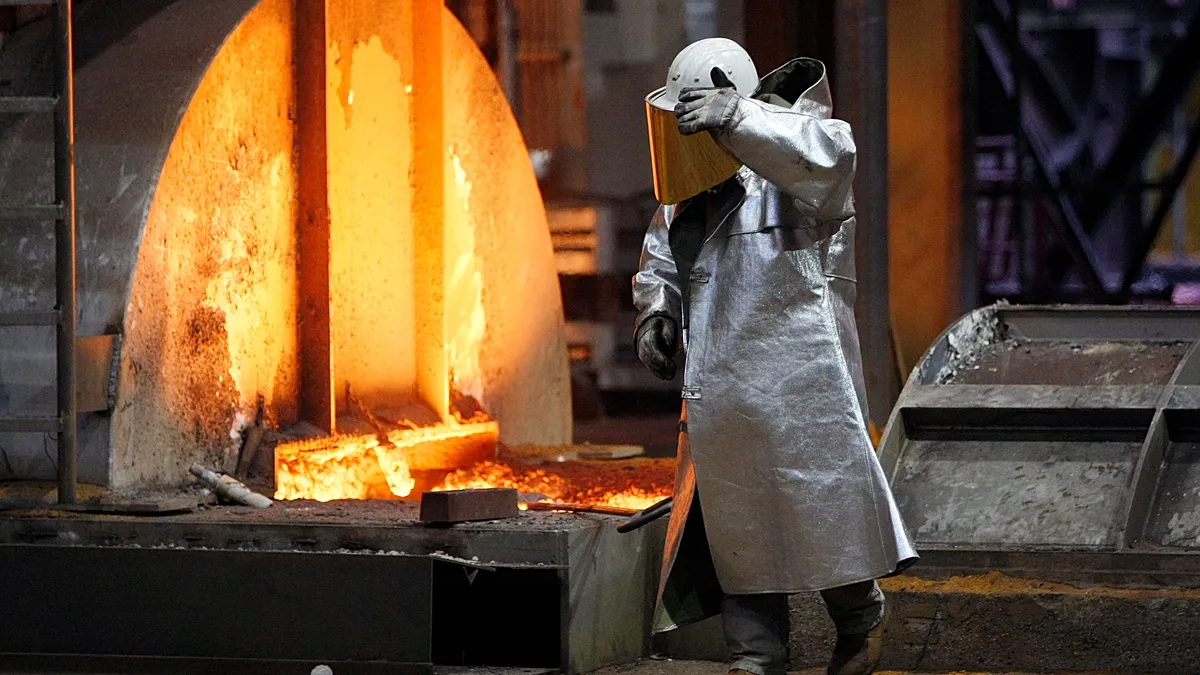
German industrial output rises for the first – Germany’s industrial production saw a modest increase in April, marking the first upward trend in the sector since the start of the Middle East conflict. This rise, which was primarily driven by construction activity, ended a six-month decline and signaled a small but hopeful shift. However, the modest 0.4% growth is seen by analysts as insufficient to reverse the long-term slowdown in manufacturing, highlighting the delicate balance between temporary gains and deeper structural challenges.
Key Factors Behind the Slight Upward Movement
The April rebound was largely fueled by a 2.4% surge in construction output, which had been weak in previous months. Meanwhile, exports also showed a slight uptick, rising 0.9% from March. Yet, this growth was offset by a 4.1% increase in imports, keeping the overall trade surplus stable. Despite these improvements, the industrial output remains 12% below pre-pandemic levels, indicating that the sector is still struggling to regain full momentum.
Analysts have identified the energy crisis as a major hindrance to industrial growth. Germany’s reliance on Middle Eastern oil, which accounts for 6% of its energy supply, has kept energy prices elevated. This has particularly impacted energy-intensive industries, which contribute 17% to the nation’s industrial gross value added. The war in the Middle East has intensified energy volatility, pushing inflation to 2.9% in April—the highest level since January 2024—and adding pressure on production costs.
Challenges in Sustaining Growth
The government’s revised economic forecasts for 2026 suggest a slower-than-expected recovery. In April, growth projections were halved, now predicting just 0.5% GDP expansion. This follows a report showing a 3.8% drop in new manufacturing orders, with the automotive sector leading the decline by over 5% and electrical equipment sectors also experiencing sharp declines. Foreign orders fell by more than 4%, while domestic orders dropped nearly 3%, underscoring the lack of sustained demand.
Chancellor Friedrich Merz’s administration had initially invested in defence and infrastructure to stimulate industrial activity. However, the latest data reveals these efforts have not translated into lasting growth. Carsten Brzeski, ING’s Global Head of Macro, noted that the April rise, while positive, is “simply too little” to change the current trajectory. He emphasized that industrial output has effectively stagnated during the first four months of 2026, remaining below pre-pandemic benchmarks despite temporary improvements.
Industry experts warn that the momentum from domestic defence orders and supply chain pre-orders has faded. The four-month trend of over 4% monthly gains in industrial orders has now reversed, with a 2% decline averaging across the period. According to the Federal Ministry for Economic Affairs, full production normalization is expected to take time, as disruptions in energy and raw material markets continue to weigh on industrial activity.
“The April figure is simply too little,” said Carsten Brzeski, ING’s Global Head of Macro. “Industrial output has effectively stagnated for the first four months of 2026 and still runs roughly 12% below pre-pandemic levels. The headline number draws support from a strong rise in construction activity, but it does not mask the deeper struggles within the manufacturing sector.”
Looking ahead, the outlook for Germany’s industrial sector remains cautious. The ongoing conflict in the Middle East continues to disrupt global supply chains, compounding existing energy and commodity challenges. With inflationary pressures persisting and export-dependent industries facing uncertainty, the path to recovery appears uneven. Brzeski described the current situation as a mix of “high hopes and broken dreams,” suggesting that the anticipated rebound of 2026 may not materialize as expected. This highlights the need for targeted policies to support manufacturing and address underlying economic vulnerabilities.