Sweden Tightens Juvenile Justice Framework Before Critical Vote
Usagevpn.com – Swedish legislators have approved a significant modification to the nation’s juvenile justice system, reducing the threshold at which children face criminal prosecution from fifteen to fourteen years of age. This legislative shift occurred on Thursday, positioning the right-wing administration to demonstrate its commitment to public safety as the country approaches a pivotal national election. The decision reflects a broader strategy to address rising concerns about youth involvement in criminal activities across the Scandinavian nation.
The legislative journey toward this reform has been marked by political negotiation and compromise. Initially, the governing coalition sought to implement an even more aggressive measure by setting the criminal responsibility age at thirteen. However, that ambitious proposal encountered resistance within the parliamentary chamber and was subsequently withdrawn during June when lawmakers failed to gather sufficient support. The revised approach, settling on fourteen years, managed to secure broad consensus across party lines.
Parliamentary Support and Political Dynamics
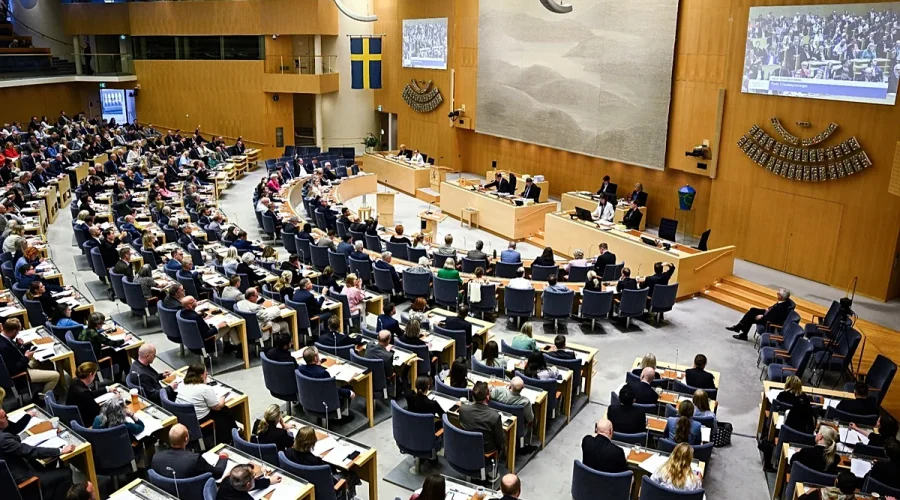
The final vote demonstrated substantial backing for the reform, with 281 legislators casting their ballots in favor of the measure. Notably, this coalition of support extended beyond the governing parties to include members of the opposition Social Democrats, who recognized the urgency of addressing juvenile crime. Only 66 lawmakers registered their opposition to the change, indicating a relatively unified parliamentary stance on the issue.
The current administration operates as a minority government under the leadership of Prime Minister Ulf Kristersson. Its continued existence depends on the crucial alliance with the far-right Sweden Democrats party, a relationship that has proven instrumental in passing key legislative initiatives. Since assuming office in 2022, the conservative leadership has elevated crime prevention to a central pillar of its governance agenda, responding to sustained public concern about security and order.
Gang Violence and Drug Market Competition
Sweden’s motivation for strengthening juvenile justice provisions stems from more than a decade of escalating gang conflicts. These territorial battles have primarily centered on controlling lucrative drug distribution networks, with violence increasingly involving younger participants. The visibility of these confrontations in urban centers has heightened public awareness and political pressure for comprehensive reform.
The government-appointed commissioner who reviewed the juvenile justice framework recommended lowering the criminal responsibility age to fourteen, aligning with the eventual parliamentary decision. However, the consultation process revealed significant reservations about setting the threshold even lower. Among the 126 organizations and stakeholders consulted on the proposal, the majority—including representatives from law enforcement and the prison service—expressed opposition to the thirteen-year threshold, citing concerns about developmental appropriateness and practical implementation challenges.
Expanded Prison Sentences for Youth
Complementing the age reduction, parliament simultaneously approved modifications to sentencing guidelines for young offenders. The revised framework permits imprisonment of up to eighteen years for individuals under eighteen years of age, representing a substantial increase in potential penalties for serious juvenile crimes. This dual approach—lowering the prosecution age while extending maximum sentences—signals a more punitive orientation toward youth criminal behavior.
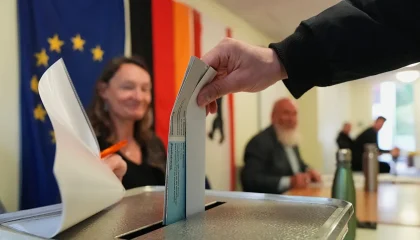
The legislative package is scheduled to take effect on September 10, strategically positioned just three days before Sweden conducts its general election. This timing allows the government to highlight the reform as a concrete achievement in its crime-fighting agenda while voters evaluate party platforms.
Election Implications and Public Opinion
Recent polling data suggests a competitive electoral landscape. A Demoskop survey conducted for the Svenska Dagbladet newspaper indicates that the center-left opposition currently holds a slight advantage over right-wing coalition parties, though the margin continues to narrow. The poll estimates that governing parties combined with the far-right Sweden Democrats would capture 47 percent of the electorate, while opposition forces would secure 51 percent.
The criminal responsibility reform may influence voter sentiment as the election approaches. By demonstrating decisive action on a high-profile issue, the government hopes to consolidate support among voters prioritizing law and order. Simultaneously, the opposition’s positioning on juvenile justice could become a defining element of their campaign narrative, particularly if they advocate for alternative approaches emphasizing rehabilitation over punishment.
This legislative evolution represents more than a technical adjustment to sentencing guidelines. It reflects Sweden’s ongoing effort to balance compassionate juvenile justice principles with practical responses to contemporary security challenges. As the nation prepares for electoral decision-making, the reform stands as a testament to the government’s commitment to addressing crime through structural policy changes rather than temporary measures.
Related Reading
Frequently Asked Questions
What is Swedish lawmakers cut age of criminal?
Swedish lawmakers cut age of criminal is the main topic of this guide. The article explains the context, practical details, and next steps readers should understand.
Why does Swedish lawmakers cut age of criminal matter?
Swedish lawmakers cut age of criminal matters because readers are looking for a useful answer, not just a short summary. Good content should match search intent and help them decide what to do next.