Sweden to Take Hardline EU Budget Stance Ahead of Election
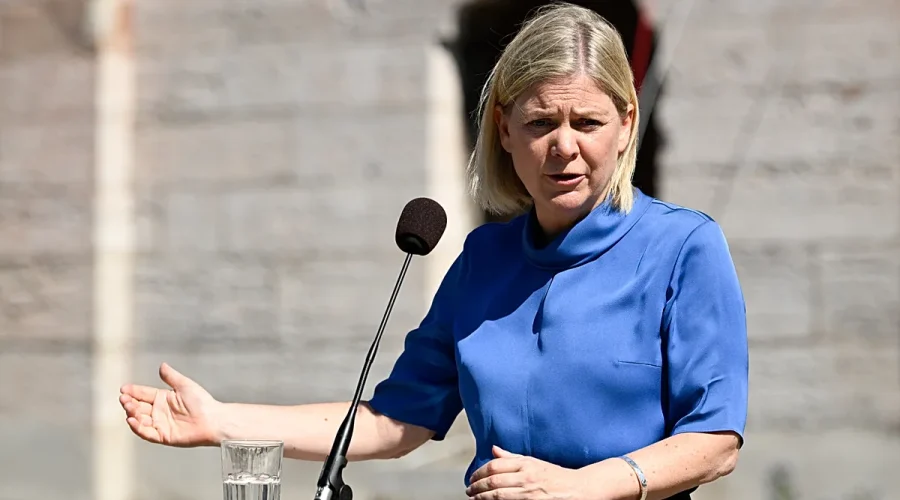
Usagevpn.com – As Sweden approaches a pivotal election, the incoming government under Magdalena Andersson is preparing to adopt an even more hawkish position on the EU budget. Despite her centre-left credentials, the future prime minister is expected to strengthen Stockholm’s reputation as one of the European Union’s most fiscally conservative voices. This hardline approach arrives at a crucial juncture when member states are debating the bloc’s long-term financial framework.
Electoral Shift Won’t Soften Budget Policy
The Swedish Social Democratic Party is poised to win the parliamentary election on September 13, with current polls showing 32 percent support. This would place them well ahead of the national-conservative Sweden Democrats at 20 percent and the centre-right Moderate Party at 17 percent. While this represents a progressive shift in Swedish politics, it is unlikely to translate into a more accommodating stance on the EU budget. Observers expecting a softer approach should adjust their expectations accordingly.
Sweden’s trajectory contrasts with much of Europe, where radical right movements have gained ground. However, the incoming administration is signaling that fiscal discipline will remain paramount. The party’s position on European finances appears set to become even more stringent than under the current government.
Frugal Bloc Demands Restraint on Spending
Alongside Germany and the Netherlands, Sweden forms the “frugal” bloc—net contributor nations that pay significantly more into EU coffers than they receive. These countries have consistently resisted expansive spending plans, and Sweden has been particularly vocal in opposing the European Commission’s €2 trillion EU budget proposal. Even after the Cypriot presidency presented a scaled-down version, Stockholm remains committed to capping overall expenditure.
Swedish officials estimate that the Commission’s original proposal would increase the country’s contribution by approximately 60 percent. This timing coincides with mounting pressure on Sweden’s public finances from rising defense costs and military aid to Ukraine. The convergence of these factors adds political sensitivity to any potential budget expansion.
The next Swedish government is likely to be much tougher, a Swedish official told Euronews, speaking on condition of anonymity as they were not authorised to comment publicly. During the parliamentary hearings they always ask why the current government is not doing more to oppose the budget proposal.
Domestic Pressures Shape EU Strategy
At a March hearing of the Committee on EU Affairs, Social Democrat MP Matilda Ernkrans outlined her party’s concerns with clarity. She argued that the current government had already stretched Sweden’s financial resources, leaving limited capacity for domestic reform during the next parliamentary term. Against this backdrop, she declared that an increase in the EU budget contribution at the level currently being discussed would be completely unacceptable.
Ernkrans specifically emphasized the importance of maintaining the rebate—a discount mechanism Sweden secured during previous budget negotiations. This rebate represents a crucial element of Sweden’s fiscal relationship with the EU, providing a meaningful reduction in what Stockholm must contribute annually.
Against this background, an increase in the EU fee of the magnitude now being discussed is completely unacceptable, she said, pointing in particular to the need to maintain the so-called rebate: a discount Sweden secured in the previous budget negotiations.
Andersson’s Financial Expertise Strengthens Position
Magdalena Andersson brings substantial experience to these upcoming negotiations. Having served as Sweden’s finance minister from 2014 to 2021, she was directly involved in the negotiations for the previous seven-year budget cycle. During that period, she personally secured an annual rebate exceeding €1 billion—a figure she now appears determined to protect and potentially enhance.
A report sponsored by the Social Democratic Party emphasizes that Sweden has long adhered to the principle of being “the most frugal in Europe.” This negotiating philosophy produced particularly favorable outcomes during discussions on the EU’s joint pandemic recovery fund. According to the report, Sweden’s approach ensured that taxpayer money was used efficiently while maintaining the country’s financial sovereignty.
What This Means for EU Budget Negotiations
Sweden’s anticipated hardline stance could significantly influence the broader negotiations on the EU budget. As a major net contributor, Stockholm’s position carries considerable weight in shaping the final agreement. The combination of domestic fiscal pressures and Andersson’s personal track record suggests that Sweden will play a pivotal role in ensuring that any new financial framework remains sustainable.
Member states watching these developments should note that Sweden’s approach reflects a growing sentiment across Europe that budget expansion must be matched by corresponding reforms and efficiency gains.
Frequently Asked Questions
When is Sweden’s next election?
Sweden’s parliamentary election is scheduled for September 13, 2026, with the Social Democratic Party currently leading in polls.
What is the “frugal” bloc in EU budget terms?
The frugal bloc consists of net contributor nations—primarily Sweden, Germany, and the Netherlands—that pay substantially more into EU coffers than they receive in return and consistently advocate for fiscal restraint.
How much would Sweden’s EU budget contribution increase under the Commission’s proposal?
Swedish officials project that the European Commission’s original proposal would raise Sweden’s contribution by approximately 60 percent.
What is the Swedish rebate?
The rebate is a discount mechanism that Sweden secured during previous budget negotiations, providing a meaningful reduction in what Stockholm must contribute annually to the EU budget.
Why is Sweden taking a harder line on the EU budget?
Sweden faces rising defense expenditures and military assistance costs for Ukraine, creating additional pressure on public finances and making any budget expansion politically sensitive.