Apple to make AI software push at upcoming Silicon Valley conference
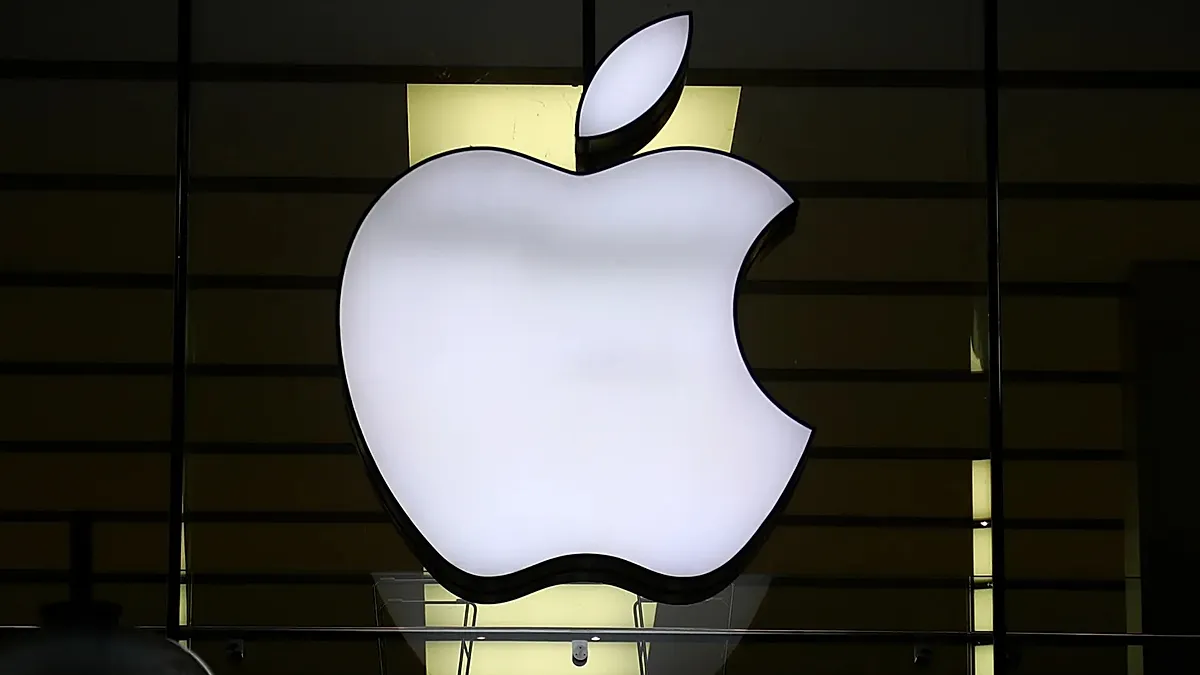
Apple to make AI software push – At its annual developers conference, Apple is set to unveil its ambitious plans for artificial intelligence (AI) integration. The Worldwide Developers Conference (WWDC), which alternates between virtual and in-person formats at Apple Park, is traditionally a platform for announcing new software updates. This year, however, the event is expected to spotlight Apple’s advancements in AI, with a focus on its upcoming iOS 27 operating system and related features. The company has already signaled its commitment to AI through the introduction of Apple Intelligence in 2024, and this week’s conference will likely build on that momentum.
Evolution of Apple Intelligence
Apple launched its AI initiative, Apple Intelligence, in 2024, marking a significant shift in its strategy toward software-driven innovation. Initially, the company integrated OpenAI’s ChatGPT into its devices, offering users a glimpse of AI-powered capabilities. But as the tech landscape evolved, Apple made a strategic move to partner with Google, adopting the Gemini AI model as its primary technology. This transition is expected to be a key theme at this year’s WWDC, as analysts anticipate a broader rollout of Gemini-powered features across Apple’s ecosystem.
Analysts like Gadjo Sevilla of Emarketer believe Apple’s decision to align with Google’s Gemini AI will position it to compete more effectively in the AI race. “Apple could show its AI expansion into some new hardware products, such as foldables, wearable tech and smart home devices, through developer and ecosystem updates,” Sevilla noted in an interview with the Associated Press. The analyst also highlighted that these updates might not only enhance existing tools but also introduce new functionalities tailored to Apple’s hardware lineup. This approach could allow the company to maintain its signature user-centric design while leveraging cutting-edge AI capabilities.
Anticipated AI Features in iOS 27
While the overarching focus of the conference will be on AI integration, several specific features are expected to capture attention. Among them is the Image Playground, a tool that has already generated buzz for its ability to create realistic images. Rumors suggest that the next iteration of this feature will be even more sophisticated, offering enhanced creativity and accuracy. Additionally, Genmoji—Apple’s personalized emoji feature—may receive an upgrade, allowing users to generate custom graphics based on their photo libraries. These updates could make the iPhone’s communication tools more intuitive and expressive than ever before.
Perhaps the most anticipated announcement, though, will be the major transformation of Siri. The voice assistant, which has been a cornerstone of Apple’s user experience for years, is set to undergo a significant redesign powered by Gemini AI. According to Sevilla, this upgrade could redefine how Siri interacts with users, making it more conversational and capable of handling multiple tasks simultaneously. “Siri’s new version could become as ubiquitous as features like AirDrop and Handoff, which already unify Apple’s ecosystem,” he explained. The idea is to create a seamless experience across devices, enabling users to manage tasks more efficiently and naturally.
Apple’s integration of Gemini into Siri also reflects a broader trend of the company refining its AI strategy. While it initially relied on OpenAI’s ChatGPT, the partnership with Google has allowed Apple to streamline its AI offerings. This shift has been met with mixed reactions; some critics have argued that Apple delayed its AI push compared to competitors like Samsung and Google. However, analysts have pointed out that the company is now in a position to prioritize quality over speed, ensuring that its AI innovations deliver a superior user experience.
Apple’s Ecosystem and Hardware Innovations
Sevilla’s insights suggest that Apple may also use the conference to outline its vision for expanding AI capabilities into hardware products. Foldables, wearable technology, and smart home devices are likely candidates for these advancements. By integrating AI features into new hardware, Apple could further differentiate itself in a market where competitors are already making strides. For example, foldables are expected to become more versatile with AI-driven multitasking, while wearables could offer enhanced health monitoring or personalized user interactions.
Moreover, the company’s focus on software-first updates may extend to its ecosystem of devices. Apple’s existing tools like AirDrop and Handoff demonstrate the power of seamless integration, and a more advanced Siri could amplify that. Sevilla emphasized that the new AI features would not only improve existing products but also create opportunities for cross-device collaboration. “Imagine a scenario where a user can dictate a task on their iPhone, have it processed by Gemini on their MacBook, and then executed on their Apple Watch—all without switching apps,” he envisioned. This level of integration could solidify Apple’s reputation for creating cohesive, user-friendly experiences.
While the conference is primarily about software, the potential impact on hardware is significant. Analysts have speculated that Apple may unveil new devices or refine existing ones to better leverage AI. For instance, the company could explore AI-driven camera enhancements for the iPhone or smarter home automation systems for its Apple TV. These innovations would not only align with the current tech trends but also reinforce Apple’s commitment to innovation in both software and hardware.
Tim Cook’s Legacy and the Future of Leadership
This year’s WWDC also holds a special significance as it will be the final event under Apple CEO Tim Cook’s leadership. Cook, who announced his retirement in April, is passing the baton to John Ternus, the senior vice president of hardware engineering. During his tenure, Apple has grown from a company valued at around $4 trillion to a global tech giant, and Cook’s influence on its trajectory is undeniable. His leadership coincided with the launch of the iPhone, which has become the backbone of Apple’s success, and he has played a pivotal role in expanding the company’s reach across multiple markets.
Cook’s retirement marks the end of an era, but the conference is expected to focus on the next chapter of Apple’s evolution. While the AI push is a central theme, the event will also provide insights into how the company plans to transition leadership. Ternus, who has been instrumental in developing Apple’s hardware, is likely to take the helm in steering the company’s innovation strategy. This shift could lead to a renewed emphasis on hardware advancements, especially as Apple continues to explore AI’s potential in physical devices.
Analysts have previously noted that Apple’s measured approach to AI has allowed it to refine its technology and present a more polished product. Despite being slower to adopt AI compared to rivals, the company’s latest updates suggest it is now ready to make a bold statement. The integration of Gemini into Siri and the expansion of AI features across iOS 27 and other products indicate that Apple is positioning itself to lead the next wave of innovation. With a strong ecosystem and a clear vision, the company is well-equipped to deliver a competitive edge in the AI landscape.
In the broader context of the tech industry, Apple’s focus on AI underscores its ongoing efforts to maintain relevance. While companies like Samsung and Google have already made substantial investments in AI, Apple’s strategy of combining AI with its hardware expertise may set it apart. The conference will be a critical opportunity to showcase how these advancements align with the company’s long-term goals and user-centric philosophy. As the world watches closely, Apple is poised to reveal how it intends to shape the future of AI-driven technology. With a carefully curated agenda and a team of experts, the company aims to deliver a transformative experience that rivals its competitors in both functionality and design.