Major Tariff Refund Initiative Returns Billions to American Importers
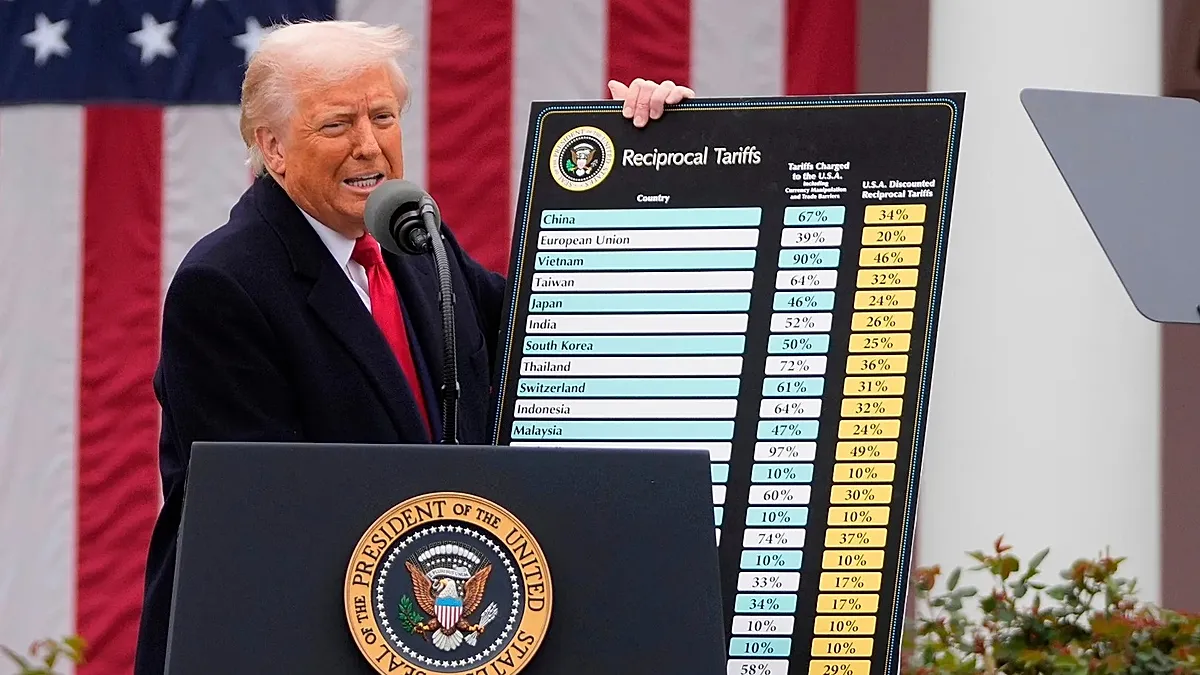
Usagevpn.com – The Trump administration has initiated a substantial financial reversal, returning approximately $100 billion in tariffs that were originally collected under the so-called “Liberation Day” program. These funds are being distributed to various businesses through the U.S. Customs and Border Protection agency, marking one of the largest tariff refund operations in recent American history. The refunds represent roughly 60 percent of all monies gathered under this particular trade initiative, as documented in recent court filings.
At the time of writing, the total amount collected through the Liberation Day tariff program stands at approximately $165 billion. While the majority of eligible businesses have received their refunds, certain amounts remain in various stages of processing. Trade authorities continue examining nearly $29 billion in potential refund claims, while about $1.6 billion has yet to be distributed because some importers failed to provide their banking information in a timely manner.
Legal Foundations and the Supreme Court Ruling
The entire refund effort stems from a pivotal February decision by the United States Supreme Court, which determined that President Trump exceeded his constitutional authority when imposing the tariffs. The Court ruled that the president lacked the power to levy these import taxes under the International Emergency Economic Powers Act, commonly known as IEEPA. This 1977 legislation grants the president broad discretion to regulate international trade during declared emergencies, though it does not provide a precise definition of what constitutes such an emergency.
Under the statute, specifically 50 U.S.C. § 1701, the president may declare a national emergency when facing what the law describes as an “unusual and extraordinary threat.” These threats need only fall into vague categories, such as endangering American national security or the economy, and must originate from foreign sources. The Supreme Court found that this emergency authority did not extend to the imposition of tariffs, which traditionally fall under Congress’s constitutional power to set taxes and duties.
The Refund Portal and Business Impact
In April, the administration opened a dedicated online portal allowing American companies to begin claiming refunds for what they characterized as unlawfully collected tariffs. When the portal first became available, approximately $127 billion in eligible claims—including accrued interest—had already been submitted. These claims came from more than 330,000 importers who had collectively made over 53 million shipments subject to the tariffs.
The financial burden of these tariffs has fallen primarily on American importers and domestic businesses rather than on foreign exporters or overseas governments. This has created significant pressure on U.S. companies over the past two years, as many have been forced to absorb higher costs or pass them on to consumers through increased retail prices. The situation has generated considerable frustration among domestic businesses that rely on international supply chains.
Some major corporations have taken proactive steps with their refund money. Amazon, for instance, has received approximately $600 million in tariff refunds and has chosen to allocate a portion of these funds toward customer relief programs and subsidies for lower store prices. However, such decisions remain entirely at the discretion of individual companies and are not required under U.S. customs regulations.
Ongoing Trade Policy Despite Refunds
The massive refund operation has not signaled a retreat from the administration’s broader trade strategy. President Trump has continued to employ tariffs as a central tool of economic and diplomatic leverage. Most recently, the administration imposed a 50 percent tariff on Canadian goods and introduced new duties on 60 additional trading partners. These measures were justified by claims that certain countries had not done enough to address forced labor practices in their supply chains.
The continued use of tariffs alongside the refund program illustrates the complex nature of the administration’s approach to international trade. While American businesses benefit from the return of billions in previously collected duties, they must still navigate an evolving tariff landscape that could affect future import costs. The situation remains dynamic, with ongoing reviews of refund claims and potential new tariff actions that could reshape trade relationships in the coming months.
For American consumers and businesses alike, the Liberation Day tariff refunds represent both a financial relief and a reminder of the uncertainty that characterizes the current trade environment. As the administration continues to assert its tariff authority through various legal and diplomatic channels, the full implications of these policy decisions will unfold over time, affecting everything from manufacturing costs to retail pricing across the American economy.
Related Reading
Frequently Asked Questions
What is Trump administration refunds 100 billion in Liberation?
Trump administration refunds 100 billion in Liberation is the main topic of this guide. The article explains the context, practical details, and next steps readers should understand.
Why does Trump administration refunds 100 billion in Liberation matter?
Trump administration refunds 100 billion in Liberation matters because readers are looking for a useful answer, not just a short summary. Good content should match search intent and help them decide what to do next.