Ceuta’s Mayor Urges Swift Deportations After Historic Migrant Surge
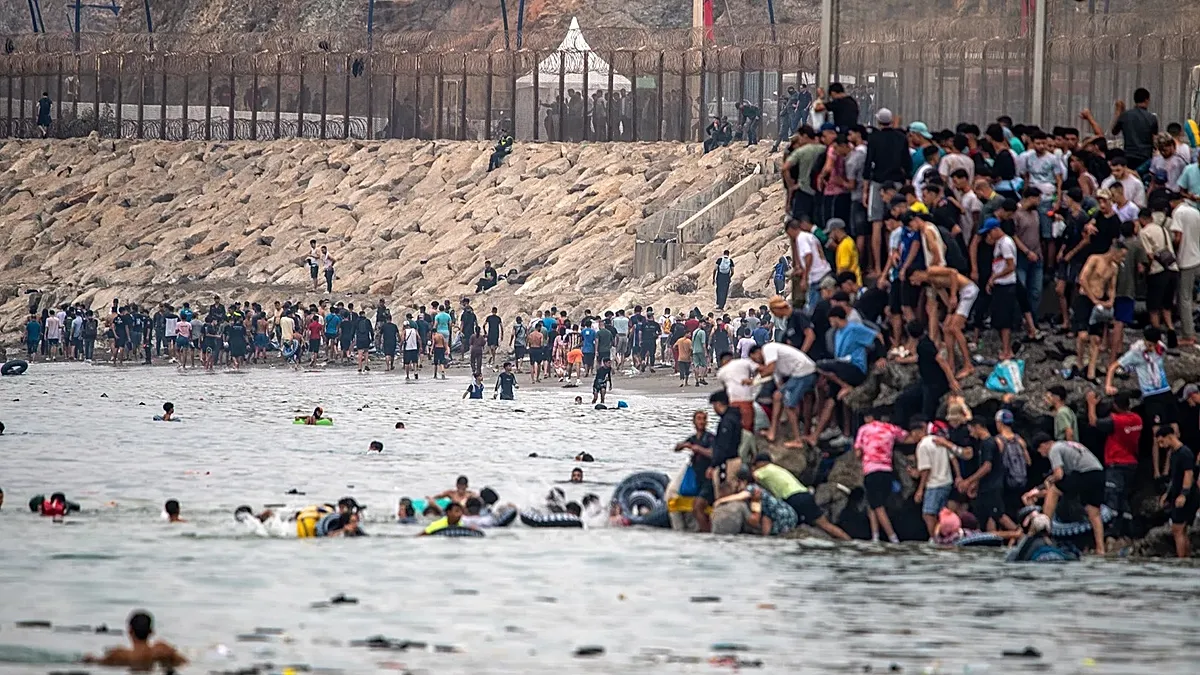
Usagevpn.com – The Spanish Mediterranean enclave of Ceuta stands at a critical juncture following what its mayor has termed an unprecedented influx of newcomers from across the Strait of Gibraltar. Juan Jesús Vivas, the city’s chief executive, delivered a forceful address to European lawmakers this week, painting a picture of a community still reeling from one of the most dramatic migration episodes in recent European history.
A City Under Pressure
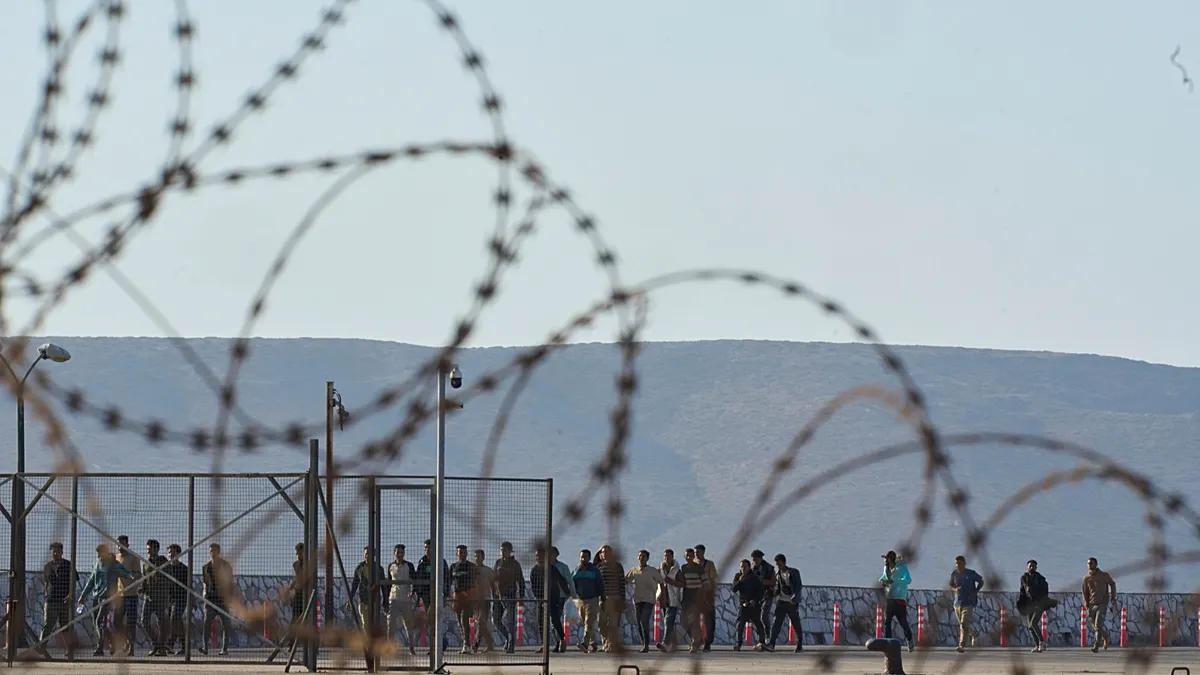
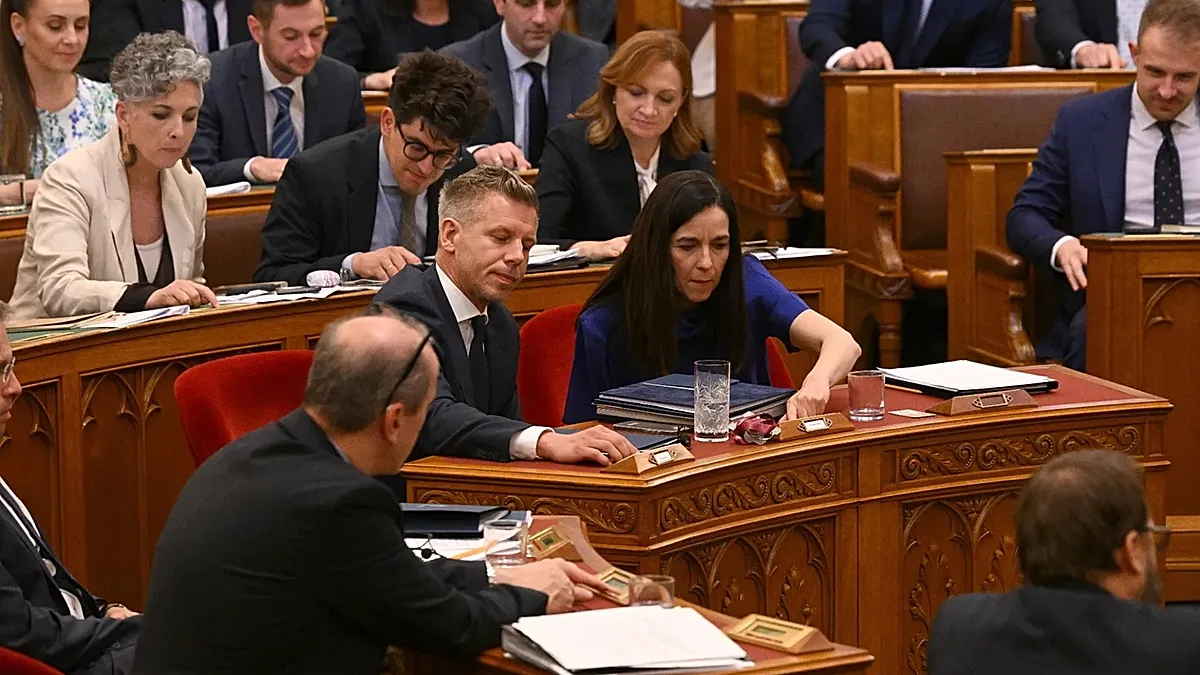
During his appearance before the European Parliament’s Committee on Civil Liberties, Justice and Home Affairs on Thursday, Vivas offered a stark assessment of events that unfolded over two days in late July. The hearing came in response to approximately 80,000 individuals crossing into Ceuta by sea—a figure that matches the enclave’s entire resident population. The Spanish government chose not to participate in the proceedings, while the European Commission sent Magnus Brunner, the commissioner overseeing migration policy, to represent Brussels’ interests. Vivas grounded his characterization of the crisis in linguistic precision. He cited the Royal Spanish Academy’s dictionary to support his use of the term “invasion,” pointing to the second definition which describes an anomalous or irregular occupation of territory. According to the mayor, this definition perfectly captured what occurred on July 30 and 31, when tens of thousands of people poured into the city simultaneously.
According to the Royal Spanish Academy’s dictionary, the second definition of ‘invasion’ refers to the anomalous or irregular occupation of a specific place. This is precisely what happened on 30 and 31 July, when some 80,000 people – equivalent to the entire population of Ceuta – stormed into our city.
The mayor emphasized that the episode raised fundamental questions about the integrity of Ceuta, Spain, and the European Union collectively. While the vast majority of newcomers have since made their way back to Morocco, Vivas insisted the psychological and social scars remain fresh.
We faced a humanitarian emergency of enormous proportions, compounded by disturbances to public order and a serious risk to public safety.
Reception Centres Overwhelmed
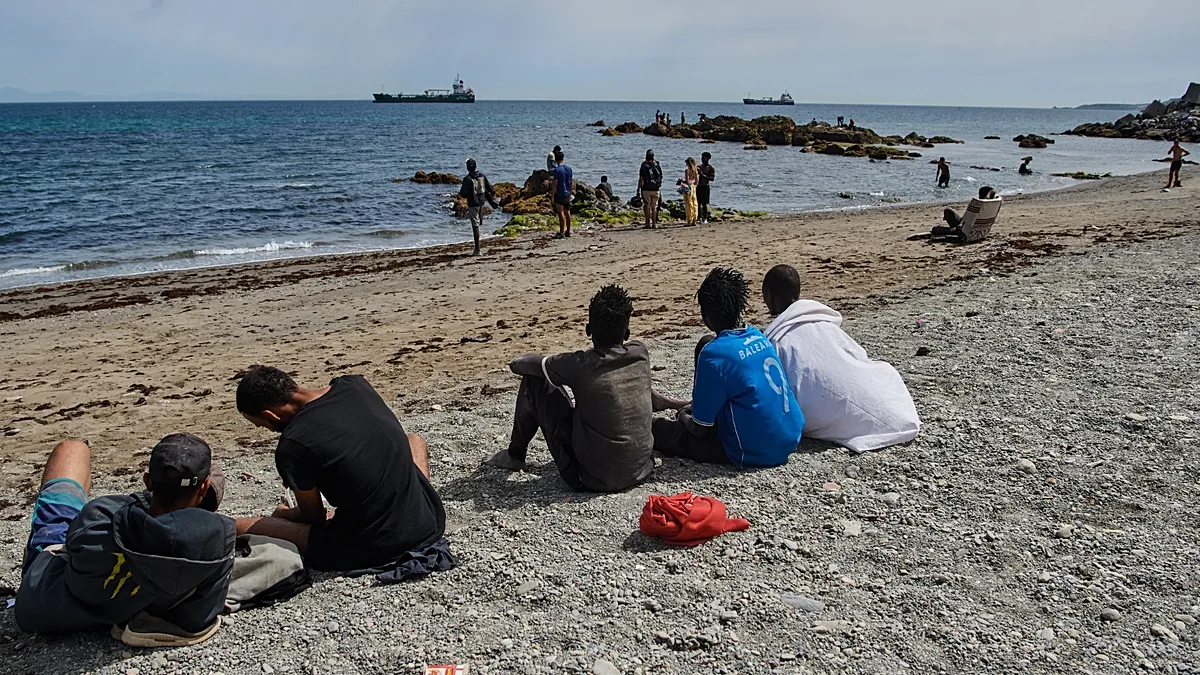
Current estimates suggest between 3,000 and 5,000 migrants continue to occupy local reception facilities, which are operating well beyond capacity. Vivas made clear that the situation falls short of normalcy for Ceuta’s residents.
This in no way allows us to say that our city has returned to normal for its citizens.
He noted that precise figures remain unavailable because municipal resources are insufficient to conduct comprehensive headcounts. The mayor renewed his appeals for enhanced border management and swift removal of those who entered without authorization.
We demand the immediate expulsion of the Moroccans who have entered our city irregularly and who remain here.
One nuance emerged regarding unaccompanied minors, whom Vivas explained could only be repatriated to their home countries with their explicit consent. When questioned by a member of parliament about potential security concerns, Vivas admitted he lacked information on whether any jihadists previously expelled from European nations had slipped into Ceuta during the crisis.
We don’t know from local authorities whether there are any jihadists among those who entered.
Warnings Ignored, Borders Exposed
Perhaps most significantly, Vivas revealed that Ceuta’s leadership had issued advance warnings to Spanish ministries about escalating irregular arrivals from Morocco in the days leading up to Thursday’s dramatic surge.
We told the ministries about the situation we were experiencing, and we pointed out that there had been an alarming increase in arrival flows.
Compounding the frustration, the mayor disclosed that Ceuta’s attempts to establish dialogue with Moroccan authorities had been rebuffed. Moroccan officials had declined to engage in meaningful discussions about the growing crisis.
What has become apparent, is that our border is porous and vulnerable.
The implications extend far beyond Ceuta’s municipal boundaries. As one of Europe’s southernmost frontiers, the enclave serves as a critical gateway between Africa and the continent. Its struggles reflect broader challenges facing EU migration policy, particularly regarding external border management and cooperation with North African nations. The humanitarian dimension cannot be overlooked either. Reception centres designed for hundreds now house thousands, creating conditions that strain local services and community cohesion. The mayor’s demands for immediate action resonate with citizens who have watched their daily lives disrupted by an influx that has fundamentally altered the character of their city. As European policymakers consider their response, Ceuta’s experience offers both a warning and a case study. The question now is whether Brussels and Madrid will act decisively to address the structural vulnerabilities that allowed such a massive crossing to occur—and whether they will do so before history repeats itself.
Related Reading
Frequently Asked Questions
What is Ceuta mayor tells MEPs migrant invasion?
Ceuta mayor tells MEPs migrant invasion is the main topic of this guide. The article explains the context, practical details, and next steps readers should understand.
Why does Ceuta mayor tells MEPs migrant invasion matter?
Ceuta mayor tells MEPs migrant invasion matters because readers are looking for a useful answer, not just a short summary. Good content should match search intent and help them decide what to do next.