SpaceX Navigates Public Markets with Strong Revenue Growth Amid Heavy AI Investment
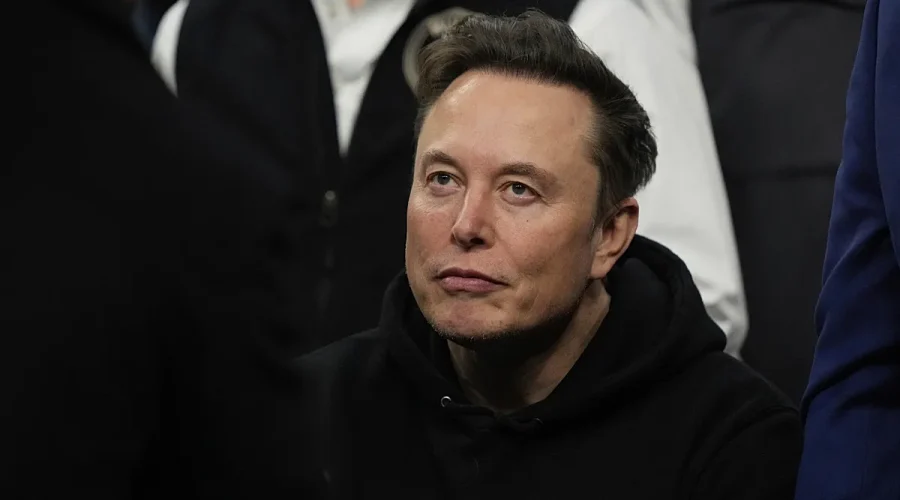
Usagevpn.com – The aerospace giant has delivered its first quarterly earnings report as a publicly traded entity, revealing financial results that exceeded market expectations despite substantial new expenditures in artificial intelligence. The company, which operates rockets, satellites, and AI technologies under Elon Musk’s leadership, posted a loss of $541 million—equivalent to €469 million—or 9 cents per share for the three-month period ending in June.
This loss represented less than half of what financial analysts had predicted, signaling stronger-than-anticipated operational performance. Revenue surged to $7.8 billion (€6.8 billion), marking an increase of more than 90 percent compared to the same period a year earlier. The connectivity division emerged as the primary revenue driver, with earnings climbing 66 percent year-over-year as Starlink’s subscriber base expanded to 12 million users.
Starlink’s Rapid Expansion and Market Position
The satellite internet service has become increasingly central to SpaceX’s financial trajectory. During an earnings call with analysts, Musk expressed confidence in the service’s long-term potential, stating that Starlink could eventually provide internet access to a majority of global users.
“It’s not out of the question that at some point, Starlink will deliver a majority of the world’s internet,” Musk told analysts on a call.
The connectivity business growth coincides with broader trends in satellite communications, as traditional telecommunications providers face increasing competition from space-based internet services. Starlink’s expansion has been particularly notable in regions where terrestrial infrastructure remains limited or underdeveloped.
AI Spending and Capital Expenditure Concerns
SpaceX’s investment in artificial intelligence has drawn scrutiny from investors and market observers. The company’s spending on infrastructure and research and development climbed dramatically to $18 billion (€15.6 billion), compared to less than $3 billion (€2.6 billion) during the same period a year earlier. Chief financial officer Bret Johnsen indicated that investors should anticipate similarly elevated capital expenditure levels over the next two quarters.
Musk defended the aggressive spending strategy, noting that similar investment patterns are emerging across the technology sector as companies race to build AI capabilities. He projected that this investment would accelerate SpaceX’s timeline for reaching $1 trillion in annual revenue, moving the milestone from 2031 to 2030.
Market Volatility and Lockup Provisions
SpaceX shares experienced significant movement following the earnings announcement. The stock climbed 9 percent during regular trading on Tuesday before surrendering most of those gains in after-hours sessions. This volatility reflects broader investor sentiment regarding the company’s valuation and growth prospects.
The stock has declined approximately 50 percent from its June peak, which occurred shortly after the initial public offering that briefly elevated Musk to the status of the world’s first trillionaire. Markets are preparing for additional trading volatility as a lockup provision restricting insider share sales begins to expire later in the week. More than 900 million shares are scheduled for release on Thursday, effectively doubling the number of shares available for trading.
This share release represents the first of several lockup tranches that will expire over the coming months, potentially creating sustained selling pressure. The subsequent price decline, combined with a drop in shares of Tesla—Musk’s electric vehicle company—has reduced his net worth to $783 billion (€679 billion), according to Forbes.
Starship Development and NASA Partnership
Investors and analysts also focused on Starship, the massive rocket system central to SpaceX’s long-term strategic objectives. The vehicle successfully deployed satellites during a test flight late last month. Musk announced plans to conduct a reusability test at the end of the month, which will involve attempting to capture both the spacecraft and its booster using mechanical arms as they return to the launch facility.
NASA has identified Starship as a critical component of its Artemis program, which aims to return American astronauts to the lunar surface. Gwynne Shotwell, SpaceX’s president, outlined the company’s timeline for this endeavor.
“We want to put boots on the ground — boots on the Moon — in 2028,” SpaceX President Gwynne Shotwell said.
Broader Implications for the Space Industry
SpaceX’s financial performance and operational developments carry implications beyond the company itself. The aerospace sector has experienced a transformation in recent years, with private companies increasingly competing alongside government agencies for launch contracts and satellite deployment opportunities. SpaceX’s ownership of X, formerly known as Twitter, adds another dimension to its business ecosystem, potentially creating synergies between its space operations and social media platform.
The company’s ability to manage heavy capital expenditure while maintaining revenue growth positions it favorably for future expansion. However, investor concerns about whether Musk may have overpromised on space travel and Grok AI prospects suggest that continued execution will be critical for sustaining market confidence.
Related Reading
Frequently Asked Questions
What is SpaceX posts smaller than expected loss?
SpaceX posts smaller than expected loss is the main topic of this guide. The article explains the context, practical details, and next steps readers should understand.
Why does SpaceX posts smaller than expected loss matter?
SpaceX posts smaller than expected loss matters because readers are looking for a useful answer, not just a short summary. Good content should match search intent and help them decide what to do next.