Greek Firefighters Battle to Quell Blazes as Wind Threat Looms
Usagevpn.com – Communities west of Athens are beginning the difficult process of evaluating destruction left behind by a massive wildfire that has ravaged the region over the past week. Homes, commercial properties, and agricultural land bear the marks of intense flames that swept through the landscape, leaving residents to assess what remains of their livelihoods. The devastation has prompted immediate government action, with Prime Minister Kyriakos Mitsotakis scheduled to lead a cabinet session on Wednesday focused on determining financial assistance for those impacted by the disaster.
Emergency response teams from both the Environment and Civil Protection ministries have arrived in communities located approximately 50 kilometers northwest of the capital. These officials are conducting thorough assessments of affected neighborhoods as residents gradually return following organized preventive evacuations. The scale of destruction has been substantial, with the fire consuming more than 14,000 hectares of land within just five days of ignition. Despite the extensive damage, fire services spokesperson Vassilis Vathrakoyannis offered cautious optimism about conditions improving in the region.
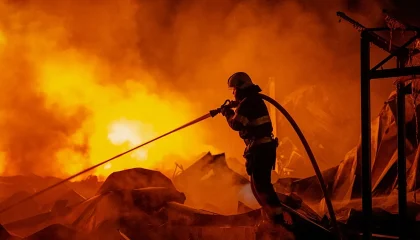
Firefighters remain on maximum alert to deal with areas where there is still smoke.
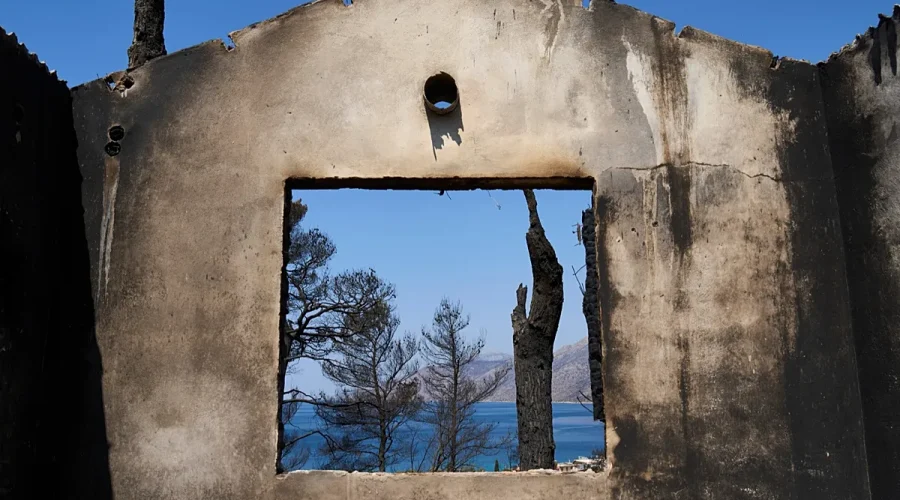
The aftermath of the blaze remains palpable in the resort town of Porto Germeno, where the scent of smoke lingers in the air. This coastal community has experienced particularly severe damage, with large sections of previously forested terrain reduced to charred earth and dozens of residential structures destroyed. The fire’s rapid expansion was driven by powerful wind gusts reaching speeds of 130 kilometers per hour, pushing flames toward the southern slopes of Mount Kithairon and eventually reaching Megara, an industrial and agricultural center situated 40 kilometers from Athens.
Origins and Timeline of the Disaster
Initial investigations by fire service authorities indicate that the catastrophic blaze began on Friday when a spark ignited power cables operated by a private utility company in Agios Vasileios. This seaside village sits at the base of a mountain approximately 85 kilometers northwest of Athens. The timing of the ignition proved particularly unfortunate, as the fire coincided with peak summer conditions and dry vegetation that provided ample fuel for rapid spread.
Greek authorities have been engaged in continuous firefighting operations since late July, responding to dozens of separate fires across the country. These ongoing emergencies have claimed five lives, including three firefighters and two members of a helicopter crew that was actively battling flames when tragedy struck. The loss of the helicopter crew has resonated deeply throughout the nation, highlighting the dangers faced by emergency responders during Greece’s challenging fire season.
Wind Patterns and Emergency Operations
Emergency crews on Tuesday were racing against predictable weather patterns that threaten to reignite smoldering areas. Afternoon winds represent a well-documented coastal phenomenon throughout the Mediterranean during summer months. As land surfaces heat more rapidly than surrounding seas, they create pressure differentials that draw in stronger breezes from the water. These winds can suddenly fan residual embers into new fires, making containment efforts particularly urgent during afternoon hours.
The military has deployed tracked earth movers to construct fire breaks across burned hillsides, creating barriers that can prevent flame spread. Meanwhile, specialized firefighting units have moved on foot into forested areas to extinguish hidden embers before they can reignite. These ground-level operations complement aerial efforts and are essential for ensuring complete containment of hot spots that could otherwise spark new outbreaks.
Evacuations and Legal Consequences
The evacuation operations around Porto Germeno and other western communities have been extensive, with more than 250 people rescued by boats from local beaches. The maritime evacuation proved crucial for residents in areas where road access became compromised by fire or traffic congestion. Local authorities have implemented restrictions and park closures based on current fire-risk levels, with regulations varying according to conditions in different zones.
Legal consequences for those responsible for starting fires have already begun. Authorities report that 33 individuals were arrested between June 29 and August 2 for fire-related offenses. Of these arrests, 30 were attributed to negligence while three face suspicion of arson. The majority of negligence cases involved agricultural work conducted in violation of local bans, with welding operations being a particular concern. These legal actions reflect the government’s commitment to accountability as communities recover from the devastation.
Regional Context and Broader Implications
Greece’s current fire crisis arrives amid similar challenges facing other Mediterranean nations. Spain and France have both experienced devastating wildfires in recent weeks, creating a regional pattern of summer fire emergencies that strains resources and highlights the vulnerability of Mediterranean ecosystems to climate conditions. The 14,000 hectares burned in the Athens region alone represents an area comparable to several major cities, underscoring the magnitude of the destruction.
The economic implications extend beyond immediate property damage. Agricultural losses affect local food production and rural livelihoods, while tourism impacts may persist as the resort areas work toward recovery. The preventive evacuation system that protected thousands of residents demonstrates the value of Greece’s emergency preparedness infrastructure, though the scale of this particular fire has tested even these systems to their limits.
As firefighters continue their work and winds threaten to return, the focus remains on complete containment and supporting affected communities through the recovery process. The combination of ground operations, aerial support, and military assistance represents a comprehensive approach to managing what has become one of Greece’s most significant fire emergencies in recent years.
Related Reading
Frequently Asked Questions
What is Firefighters scramble to contain fires outside?
Firefighters scramble to contain fires outside is the main topic of this guide. The article explains the context, practical details, and next steps readers should understand.
Why does Firefighters scramble to contain fires outside matter?
Firefighters scramble to contain fires outside matters because readers are looking for a useful answer, not just a short summary. Good content should match search intent and help them decide what to do next.