Iceland Moves to Expel 21 Whaling Protesters Following Maritime Confrontation
Activists Face Re-Entry Ban After Ship Seizure in Icelandic Waters
Usagevpn.com – Authorities in Iceland have issued formal expulsion orders targeting twenty-one environmental activists who have been detained in the capital city since the beginning of the week. The decision follows a dramatic maritime incident in which the activists’ vessel was taken into custody while attempting to interfere with commercial whaling operations. Police confirmed the developments to international news correspondents on Wednesday.
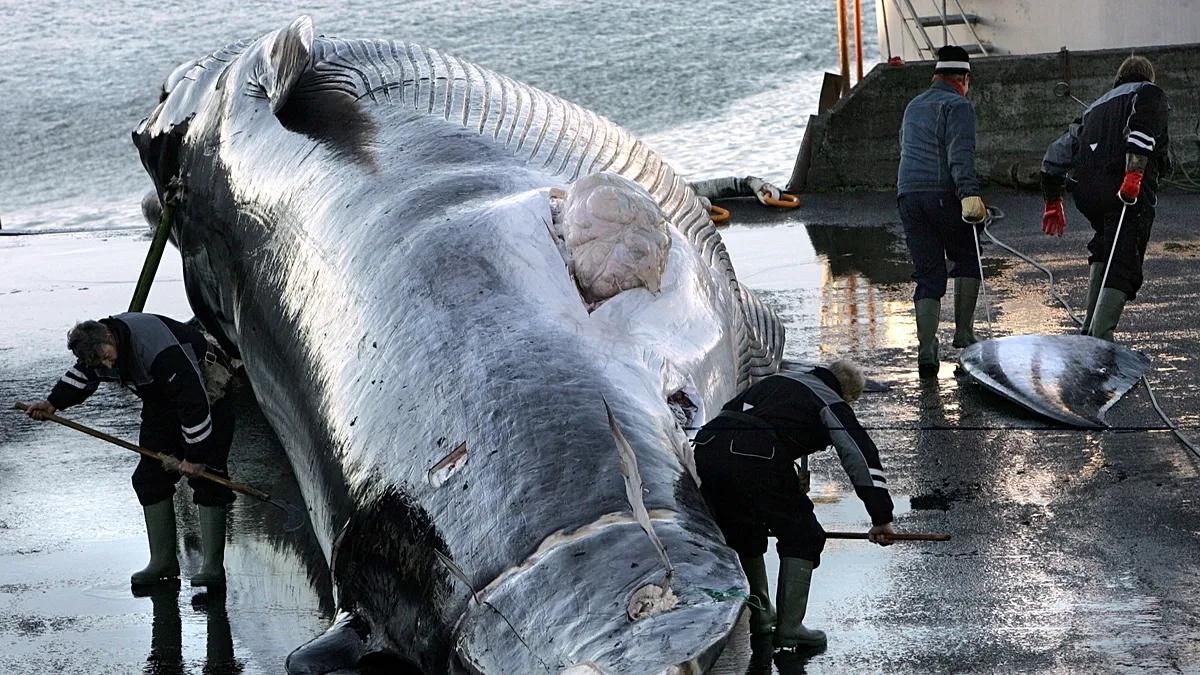
The confrontation centered on the Bandero, a vessel operated by an organization founded by prominent animal rights campaigner Paul Watson. Icelandic officials boarded the ship near the nation’s coastline after determining it had disrupted the work of the Hvalur 9, one of the few remaining whaling vessels still active in Icelandic waters. The activists had been pursuing the whaling ship when the incident occurred.
All crew members of the Bandero have now been served notice of a decision on expulsion and a re-entry ban.
According to police spokesperson Gunnar Runar Sveinbjornsson, who communicated the information via email, every person aboard the detained vessel has received official documentation regarding their forced departure and the prohibition on returning to Iceland. The spokesperson provided this statement to the AFP news agency, which has been covering the developing situation.
One activist who remained on the Bandero shared details about the initial strategy employed by the group. The protesters had planned to physically collide with the whaling vessel but found their approach too sluggish. Instead, they deployed an inflatable craft to launch a specialized net designed to entangle and damage the propellers of the whaling ship. Unfortunately for the activists, this secondary attempt also proved unsuccessful.
Icelandic law enforcement has characterized the activists’ actions as potential breaches of international maritime regulations and threats to ocean safety. Based on these concerns, authorities have formally requested both the expulsion of the individuals and a prohibition on their future entry into the country. The list of detained activists includes citizens from the United States, Brazil, France, and Spain, as documented by the Captain Paul Watson Foundation.
Legal Disputes Over Detention and Jurisdiction
The crew had been restricted to the Bandero while it remained moored in the Reykjavik harbor. However, police announced on Wednesday that the activists are now permitted to disembark from the vessel. This change in status comes despite ongoing disagreements between the activists and Icelandic authorities regarding the circumstances of the detention.
The foundation representing the activists has contested the legal basis for the seizure, asserting that the Bandero was operating in international waters when Icelandic officials boarded the ship. The organization has described the confinement of the crew as disproportionate and has strongly criticized the confiscation of the activists’ mobile phones during the operation.
The incident has drawn attention to Iceland’s unique position in global whaling. The Nordic nation remains one of only three countries worldwide that continues to permit commercial whaling activities, alongside Norway and Japan. This status has made Iceland a frequent target for environmental activists seeking to challenge the industry through direct action.
Looking Ahead: Potential Legislative Changes
The timing of this confrontation may prove significant for Icelandic whaling policy. Government officials have indicated plans to introduce new legislation during the autumn season that would potentially end commercial whaling in the country. If passed, this bill would represent a major shift in the nation’s approach to the centuries-old practice.
The expulsion orders and re-entry bans issued to the twenty-one activists could have lasting implications. Those affected will not only need to leave Iceland but will also face restrictions on returning to the country for a specified period. The exact duration of these bans has not been publicly disclosed at this time.
Maritime security experts note that incidents involving foreign vessels interfering with commercial operations can have broader diplomatic consequences. The accusations of violating international law of the sea suggest that Iceland may pursue additional legal measures beyond the immediate expulsion orders.
The Bandero’s crew now faces an uncertain future as they navigate both the immediate aftermath of the confrontation and the longer-term legal proceedings that may follow. The foundation continues to advocate for the activists, maintaining that their actions were justified and that the response from Icelandic authorities was excessive.
As Iceland considers its legislative future regarding whaling, this incident has highlighted the ongoing tension between traditional industries and environmental activism. The outcome of both the legal challenges and the proposed legislation will shape the country’s relationship with whaling for years to come.
Related Reading
Frequently Asked Questions
What is Iceland orders expulsion and re entry?
Iceland orders expulsion and re entry is the main topic of this guide. The article explains the context, practical details, and next steps readers should understand.
Why does Iceland orders expulsion and re entry matter?
Iceland orders expulsion and re entry matters because readers are looking for a useful answer, not just a short summary. Good content should match search intent and help them decide what to do next.