Europe’s Wildfire Crisis Reveals Gaps in Climate Adaptation
Usagevpn.com – Devastating wildfires expose Europe s fragile response mechanisms as the continent faces unprecedented fire activity this summer. The increasing scale and frequency of extreme weather events are not only testing emergency systems but also carrying mounting political consequences for both responsible governments and those who downplay climate change.
Unprecedented Fire Activity Across the Continent
Recent days have witnessed some of the most intense fire outbreaks of the season in both Spain and France. In Spain, flames have consumed over 80,000 hectares of land, while French territory has seen more than 40,000 hectares turn to ash. The human toll has been significant, with hundreds of thousands of residents compelled to leave their homes as fire fronts advanced through multiple regions simultaneously.
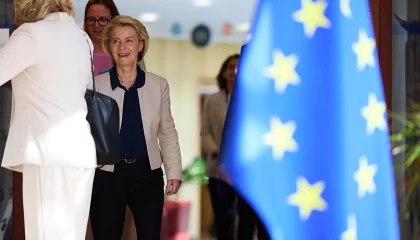
European Commission President Ursula von der Leyen expressed solidarity with the affected nations in a message posted on X. She wrote:
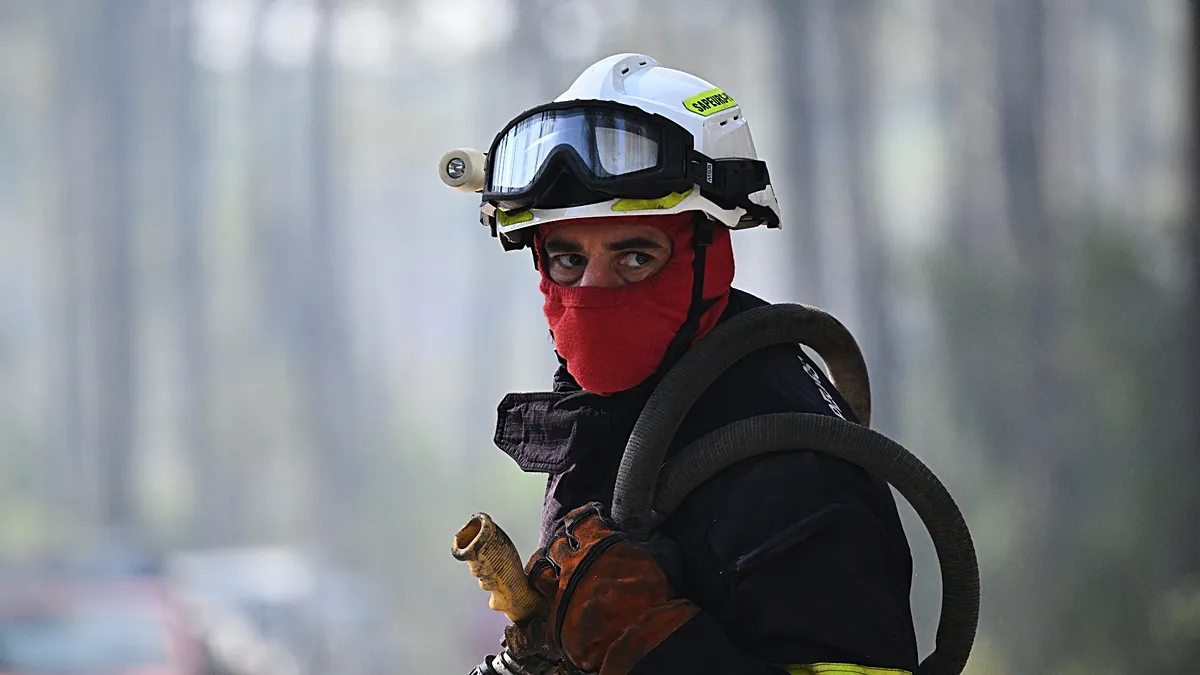
Europe stands alongside France and Spain in the face of the devastating wildfires ravaging them. My thoughts are with the firefighters who bravely battle the flames and with all those evacuated.
Brussels moved swiftly to activate the EU Civil Protection Mechanism, coordinating the deployment of firefighting aircraft and specialized personnel from across member states. France received assistance from Czechia, Croatia, Germany, Portugal, Slovakia, Sweden, and Türkiye. Meanwhile, Spain was bolstered by additional aircraft contributions from Greece, Italy, and Türkiye. Portugal also dispatched both personnel and vehicles to aid Spanish efforts.
A Changing Climate, A Changing Fire Season
Beyond the immediate emergency response, a more fundamental challenge has emerged: Europe’s wildfire season appears to be transforming at a pace that outstrips the adaptation of its emergency response infrastructure. During a technical briefing with journalists on Monday, European Commission representatives acknowledged that concurrent large-scale fires across multiple nations are placing growing strain on the continent’s shared disaster response capabilities.
Juli Pausas, a research professor at Valencia’s Centre for Research on Desertification, offered perspective on the situation.
This is the chronicle of a situation long foretold,
he explained.
Once we, as a society, have accepted that we are changing the climate, these fires become part of the new normal; in other words, they are exactly what we expected.
While wildfires have always been a feature of southern European landscapes, climate change is fundamentally reshaping the environmental conditions that enable them to spread. The European Commission’s Joint Research Centre, in its evaluation of the 2025 wildfire season, documented a pronounced shift toward an earlier onset, more frequent and intense heat waves, and fire activity extending into higher latitudes than previously recorded.
Preparedness and Political Fallout
Brussels has made efforts to address this escalating threat. The Commission unveiled a preparedness strategy last year, prioritizing enhanced early warning systems, better coordination among national authorities, and reinforcement of the EU Civil Protection Mechanism. In June, the Commission announced its most substantial pre-positioning of firefighting resources to date, deploying 777 firefighters to high-risk zones throughout southern Europe via the European Civil Protection Pool.
European Commissioner for Equality, Preparedness and Crisis Management Hadja Lahbib highlighted the importance of readiness:
When every minute counts, being prepared saves lives, protects livelihoods, and preserves our environment.
Nevertheless, the magnitude of this summer’s fires has reignited demands for additional investment. As flames continue to advance in other susceptible areas, including sections of southern Italy, questions are mounting regarding whether Europe possesses sufficient resources to handle multiple major emergencies at once.
Frequently Asked Questions
How many hectares have been burned in Spain and France? Spain has lost over 80,000 hectares while France has seen more than 40,000 hectares consumed by fire.
Which countries are helping France with firefighting? Czechia, Croatia, Germany, Portugal, Slovakia, Sweden, and Türkiye have all sent assistance to France.
What is the EU doing to prepare for future wildfires? The European Commission has deployed 777 firefighters to high-risk zones and is strengthening early warning systems and cross-border coordination.