Brussels Finalizes Sanctions Framework Amidst Greek LNG Concession
Usagevpn.com – After a period of intense and somewhat turbulent discussions, European Union representatives have consented to implement another wave of punitive measures targeting Moscow. This latest development comes as the bloc’s 21st collective sanction initiative since the onset of hostilities in early 2022. A pivotal moment emerged when Athens, which had previously blocked consensus, obtained a special dispensation permitting continued exports of Russian liquefied natural gas to nations outside the European Union for the near future.
Oil Price Cap Preservation
The finalized accord, hammered out by diplomatic envoys on Thursday, represents a significantly tempered approach compared to initial proposals. This compromise highlights how individual member nations’ economic priorities continue shaping the prolonged effort to diminish Russia’s financial capacity to sustain its military campaign. One critical achievement involved preventing a substantial increase in the ceiling for Russian crude oil exports. Under mechanisms established prior to escalating tensions in the Middle East, prices were projected to climb from forty-four to fifty-eight dollars per barrel. Brussels viewed such an escalation unfavorably, recognizing it would offer Moscow unexpected relief precisely when Ukrainian forces are gaining ground.
Consequently, the revised arrangement maintains the existing threshold at forty-four dollars per barrel for a twelve-month duration. This stability proves particularly valuable as diplomatic friction between Washington and Tehran intensifies. European Commission President Ursula von der Leyen emphasized the strategic importance of this decision:
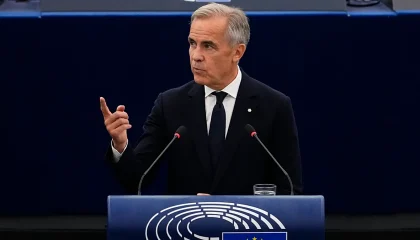
Freezing the oil price cap adjustment for a year, so that the Russian war machine does not benefit from market shocks.
Expanded Blacklist and Sectoral Targets
Beyond energy pricing, the comprehensive package introduces additional restrictions across multiple domains. More than six hundred aging ships belonging to Russia’s shadow fleet now face exclusion from European ports and associated services. These vessels have historically facilitated circumvention of existing limitations while occasionally engaging in hybrid military activities. The updated measures also encompass financial institutions, cryptocurrency exchanges, commodity trading networks, and various metals utilized in combat zones. Furthermore, over two hundred fifty entities and persons face designation for allegedly aiding the invasion effort, disseminating supportive narratives, or enabling regulatory evasion.
Negotiation Dynamics and Member State Positions
The concluding agreement follows weeks of determined deliberations where countries worked to eliminate provisions they deemed problematic. Initial efforts to limit Russian seafood imports, specifically cod and pollack varieties, collapsed after Berlin and Lisbon expressed opposition. Similarly, Sofia managed to secure the removal of two prominent figures from the sanctions roster: Patriarch Kirill, leader of Russia’s Orthodox Church, and Vagit Alekperov, billionaire creator of Lukoil. Meanwhile, an ambitious initiative to prohibit Russian military personnel from entering the Schengen zone was reduced to a general pledge for future practical implementation. Paris and Rome cited concerns regarding increased administrative obligations and legal liabilities for consular operations.
Greece’s Decisive LNG Exemption
Yet the most significant obstacle came from Greece, home to the globe’s largest commercial shipping fleet. Athens stunned fellow members by insisting on modifying the unanimous LNG prohibition adopted the previous year. The Greek government sought comprehensive permission to export Russian gas beyond EU boundaries following January 2027, the originally scheduled termination point. This position received strong backing from Dynagas, a transportation enterprise controlled by Greek magnate George Prokopiou. Dynagas and its affiliated companies have secured charters for eleven ships, including seven icebreakers capable of navigating Arctic conditions, serving Russia’s Yamal LNG facility.
Both the Greek administration and Dynagas contended that restricting maritime transport would harm Europe’s shipping sector, eliminate jobs, strengthen international rivals, and ultimately fail to deplete Moscow’s war finances. Other nations initially reacted with alarm to this challenge against established EU legislation, worried about creating unfavorable precedents. Nevertheless, Greece maintained its firm stance until sufficient members accepted a temporary derogation covering contracts finalized before February 2022. This clause undergoes annual evaluation, giving Athens potential leverage to prolong the arrangement indefinitely.
Austrian Diplomatic Success
In a separate development, Austria achieved a favorable outcome regarding its petition concerning Rasperia, an investment firm currently sanctioned. Vienna requested relief to compensate Raiffeisen Bank International for a two-point-one billion euro deficit accumulated within Russia. While earlier attempts were rejected outright, ambassadors demonstrated greater receptiveness this time, committing to develop an appropriate resolution subsequently.