UK to Remove 5 Tax on Electricity Bills: Burnham’s First Cabinet Moves
Energy Tax Cut Announced in First Cabinet Meeting
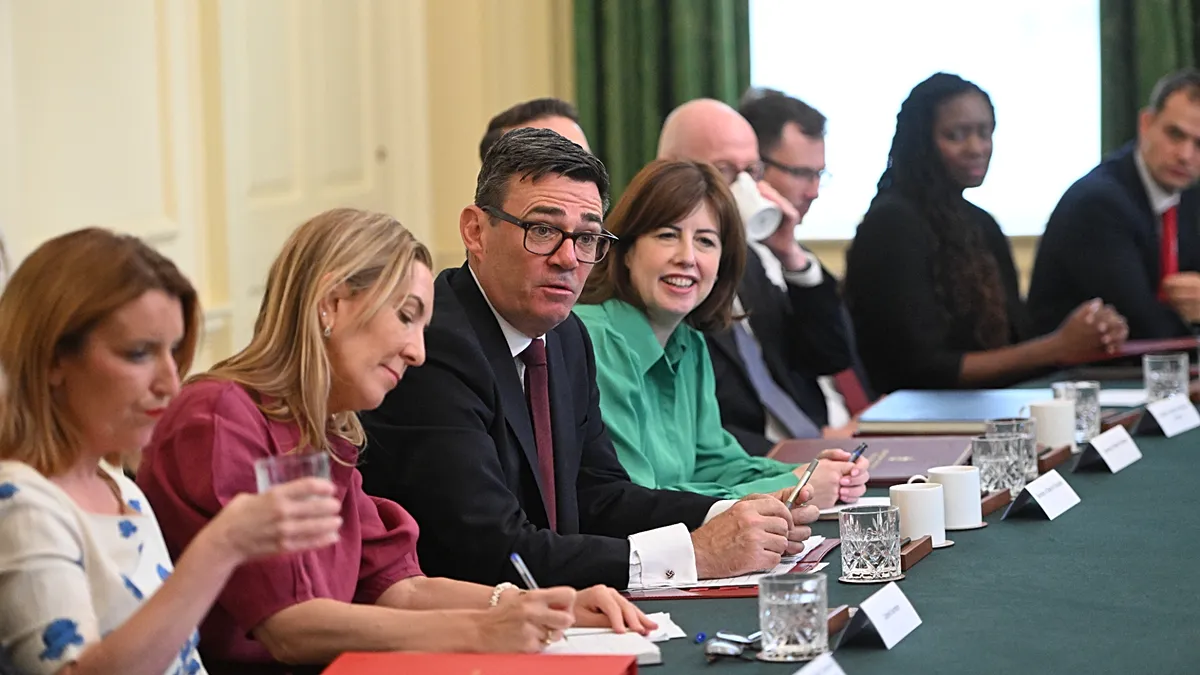
Usagevpn.com – Andy Burnham has officially begun his tenure as UK prime minister, marking a significant moment for British politics with the announcement that the UK to remove 5 tax on electricity bills. During his first cabinet meeting at Downing Street, Burnham unveiled an ambitious energy policy aimed at reducing household costs while reshaping the government’s approach to economic challenges. The new prime minister confirmed that value-added tax (VAT) on domestic electricity will be completely abolished starting from 1 October, a move expected to save the average household approximately £45 (€52.73) annually. This substantial tax reduction represents one of the first major policy decisions under Burnham’s leadership, demonstrating his commitment to easing financial pressure on families across the country.
The financial implications of this decision are considerable. According to AFP reports, the government estimates the energy tax cut will cost approximately £850 million (€996m) in the current financial year alone. Burnham explained the funding mechanism during his address, stating that the tax reduction would be financed by scrapping the previous administration’s proposed digital ID scheme. He claimed this scheme would have cost taxpayers £1.8 billion, making the cancellation a logical step toward balancing the budget while implementing popular tax cuts.
“We’re taking immediate action to cut taxes on energy bills, put more money in people’s pockets and bring back hope,” Burnham declared to reporters following the cabinet meeting.
Cabinet Reshuffle Signals New Direction
Burnham’s first cabinet meeting also revealed significant personnel changes that signal a clear shift in Labour’s political trajectory. Having replaced Keir Starmer on Monday following a revolt by some Labour MPs, the new prime minister wasted no time in restructuring his team. Among the most notable appointments was John Healey, former defence secretary who had resigned under Starmer’s leadership. Healey returned to government as finance minister, replacing Rachel Reeves as the previous chancellor. This appointment demonstrates Burnham’s willingness to bring experienced figures back into key positions.
Additional cabinet changes include Wes Streeting, who transitioned from health minister to defence secretary after abandoning his own leadership ambitions and publicly backing Burnham. Ed Miliband, the former energy secretary, was elevated to foreign secretary, while Shabana Mahmood retained her position as home secretary, continuing to oversee the government’s approach to migration. Angela Rayner also made a significant return to the cabinet as housing minister after previously resigning when she breached the ministerial code by failing to pay the correct tax on a property purchase.
These appointments reflect Burnham’s strategy of surrounding himself with allies who share his political vision. While he pledged to end internal party divisions, the removal of several ministers closely associated with Starmer indicates a desire to establish his own distinct leadership style. The new government has outlined ambitious plans to tackle the cost-of-living crisis, explore rent controls and bus fare caps, and develop a comprehensive 10-year plan focused on reindustrialising Britain, expanding public housing, and devolving more power from London to the regions.
International Relations and Economic Challenges Ahead
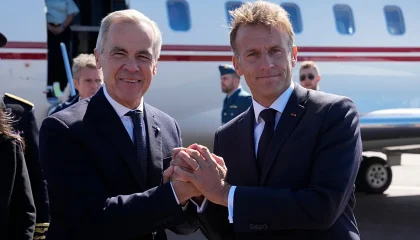
Beyond domestic policy, Burnham has already begun engaging with international leaders to address global challenges. The new prime minister held preliminary calls with US President Donald Trump, Ukrainian President Volodymyr Zelenskyy, and French President Emmanuel Macron. These conversations underscore the breadth of issues facing the UK, from international security to economic cooperation. The UK to remove 5 tax on electricity represents just one component of a broader strategy to improve living standards while maintaining international relationships.
Looking ahead, Burnham faces multiple pressing challenges before the next general election, which is due by 2029. Slowing economic growth, high borrowing costs, and continued pressure over migration are among the key issues requiring immediate attention. The government must also navigate the autumn budget, where ministers will need to explain how they will cover the loss in tax revenue resulting from the energy tax cut. Darren Jones, a former advisor to Keir Starmer, has already questioned the funding claims, arguing that the digital ID programme had been “unfunded” and calling on ministers to provide clearer explanations.
As the new administration settles into its role, the announcement that the UK to remove 5 tax on electricity bills stands as a defining early achievement. With cabinet reshuffles complete and international communications underway, Burnham’s government appears ready to confront the challenges ahead while implementing policies designed to benefit ordinary citizens across the nation.