Merz Considers Government Changes Following Spahn’s Departure
Looking Toward a New Parliamentary Leadership
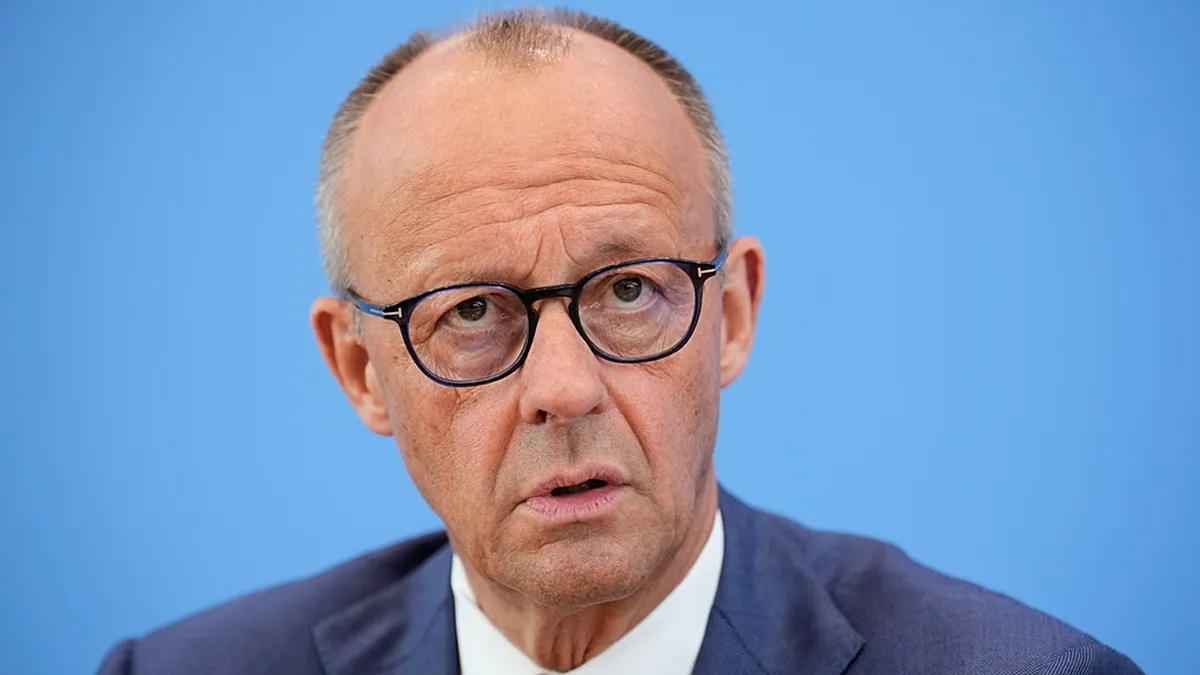
usagevpn.com – Chancellor Friedrich Merz has indicated his willingness to reorganize his cabinet as the government works to address the position now vacant following Jens Spahn’s resignation. The CDU parliamentary leader was requested to step down and ultimately submitted his resignation on Saturday. During an interview broadcast on ZDF’s summer programming, Merz clarified that he was speaking in hypothetical terms, yet emphasized his desire to reach a conclusion regarding Spahn’s replacement as head of the CDU/CSU parliamentary group within Germany’s Bundestag by the close of July.
Thorsten Frei, who currently serves as Chancellery Minister, is generally regarded as the leading contender to assume Spahn’s role. Nevertheless, Merz chose not to verify whether Frei or any other potential nominee was being seriously considered for the position. Should Frei indeed move into the parliamentary leadership role, the chancellor would simultaneously need to select a new head for the Chancellery—a crucial position held by one of Merz’s most trusted advisors who oversees the coordination of governmental policy across ministries.
Surrogacy Controversy Intensifies Pressure
The urgency to settle this leadership question stems partly from a cluster of significant state-level elections scheduled for September across Saxony-Anhalt, Berlin, and Mecklenburg-Western Pomerania. The CDU anticipates challenging battles in each of these three regions. In Saxony-Anhalt specifically, the far-right Alternative for Germany party aims to achieve its inaugural state premiership, with Ulrich Siegmund positioned as their lead candidate. Notably, the party’s regional division within this state has received classification from Germany’s domestic intelligence service as a confirmed far-right extremist organization.
Spahn has faced heightened examination in recent weeks due to his and his husband’s journey to parenthood through surrogacy arrangements conducted in the United States. This method of family building typically requires expenditures reaching into the hundreds of thousands of euros. The situation has also revived discussions concerning Germany’s currently restrictive legislation on surrogacy arrangements.
Over the course of yesterday it became overwhelmingly clear to me, and that is why we acted.
Political critics from the left wing and members of the Green party have leveled accusations of hypocrisy against Spahn. They point out that he has consistently resisted efforts to legalize surrogacy within Germany and has failed to support more comprehensive reforms to family policy. Merz acknowledged that he had not anticipated the reaction against Spahn would reach such considerable proportions.
Election Stakes and Merz’s Own Challenges
Addressing ZDF, the chancellor noted that there had been “quite a lot of outrage” aimed at the CDU politician. He further suggested that the criticism was “probably also related to him as a person and the way it was communicated.” When questioned about whether the controversy might harm the CDU/CSU before crucial regional elections, Merz provided the response quoted above.
This situation unfolds while Merz himself encounters growing political pressure. According to the most recent ARD-DeutschlandTrend survey conducted just two months before several important regional elections, merely 13 percent of Germans express satisfaction with his performance as chancellor. Conversely, approximately five out of six respondents indicate dissatisfaction. The poll additionally revealed that no German chancellor in history has achieved lower approval ratings at this particular point in their tenure than Merz currently holds.
Over the course of yesterday it became overwhelmingly clear to me, and that is why we acted.
The convergence of these multiple political developments—Spahn’s departure, the potential cabinet reshuffle, upcoming state elections, and Merz’s own approval challenges—creates a complex landscape for the governing coalition as it navigates these interconnected issues.