European Union Broadens Support for Ukrainian Displaced Persons While Introducing New Eligibility Criteria
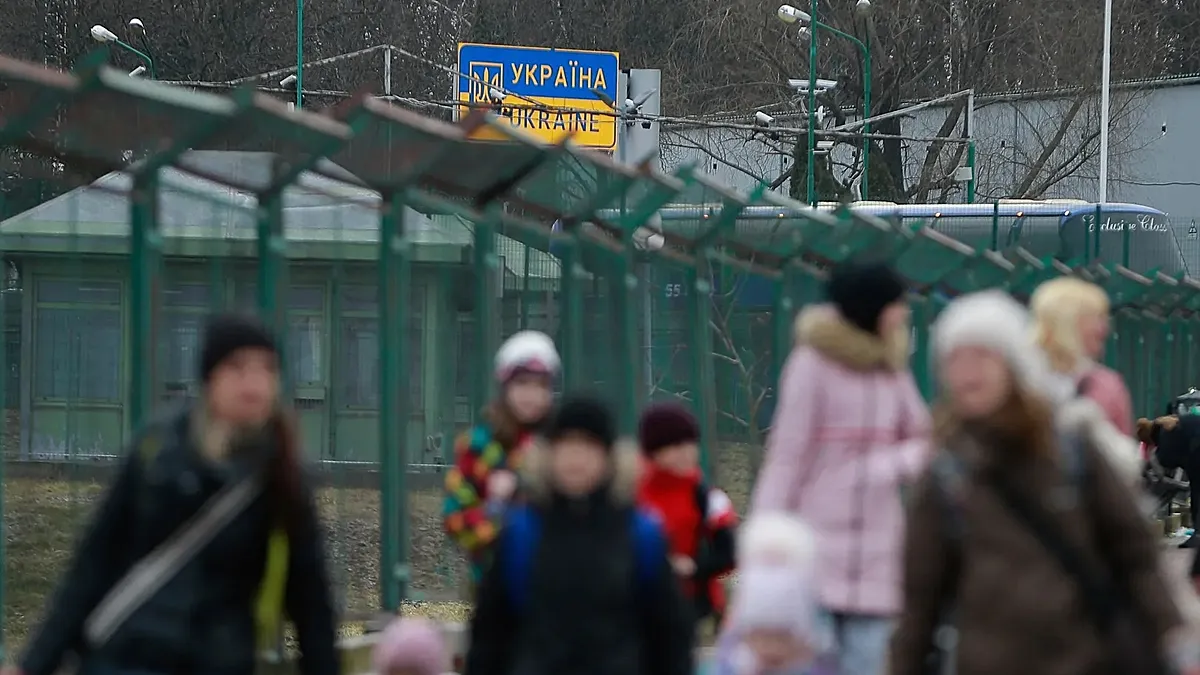
EU extends temporary protection for Ukrainians – European Union member states have reached a significant consensus regarding the future of their humanitarian response to the ongoing conflict in Ukraine. During a meeting on Wednesday, ambassadors from across the bloc voted to prolong the temporary protection framework that has been in place since Russia’s full-scale invasion began in 2022. This extension will now remain valid until March 4, 2028, providing continued stability for millions of displaced individuals seeking refuge on European soil.
Restrictions Target Military-Age Men
While the extension represents a commitment to continued support, the agreement introduces important limitations for a specific demographic group. Men between the ages of 23 and 60 will no longer qualify for the temporary protection scheme under the revised framework. This decision reflects growing concerns about the impact of male emigration on Ukraine’s ability to maintain its defense capabilities during the prolonged conflict.
A particularly significant provision within the new rules concerns the timeline for eligibility. Beginning in March 2027, only those Ukrainian citizens who have already completed their mandatory military service obligations will be eligible for temporary protection. This requirement was specifically designed to address requests from the Ukrainian government, which has been seeking to strengthen its armed forces by limiting the outflow of able-bodied men of military age.
Documentation Requirements and Exemptions
Under the updated system, Ukrainians seeking refugee-like status within EU member states must demonstrate that they departed their homeland through legal channels. This means presenting either a valid passport containing an official exit stamp or documentation confirming exemption from military service requirements. The implementation of this rule addresses concerns about irregular migration patterns that have emerged in recent years.
Ukraine’s martial law, which has been in effect since the escalation of hostilities, generally prohibits most men aged 23 and older from leaving the country due to their military service obligations. However, several categories of men receive exemptions from these restrictions. Individuals with disabilities who have been officially deemed unfit for military service are permitted to travel. Additionally, fathers with three or more children under the age of 18 may leave without violating martial law provisions. Those providing full-time care to sick relatives also qualify for exemption from travel restrictions.
Migration Patterns and Statistical Context
Despite the legal framework, a notable number of Ukrainian men of draft age have managed to cross the country’s borders through irregular means and have subsequently obtained temporary protection in various EU nations. According to data collected by Frontex, the European Border and Coast Guard Agency, nearly 1,000 individuals crossed Ukraine’s borders into the EU illegally during the current year. The figure for 2025 was considerably higher, with more than 10,000 people making irregular crossings.
Adult men represent approximately 26.6 percent of all Ukrainian refugees currently residing in European countries. However, available statistics do not yet clarify what percentage of this male population falls within the military age bracket or arrived through irregular channels. This gap in data may be addressed as the new rules take effect and monitoring mechanisms are strengthened.
Impact on Current Beneficiaries and Broader Framework
One reassuring aspect of the revised policy is that individuals already receiving temporary protection will not be negatively affected by the changes. The transition will be gradual, allowing existing beneficiaries to maintain their status without disruption. Following the ambassadors’ agreement, EU member states will formally adopt the decision within the coming weeks, completing the legislative process.
The temporary protection scheme, originally established in response to Russia’s invasion in 2022, has provided a streamlined alternative to traditional asylum procedures. Beneficiaries can reside, work, access medical assistance, and enroll in educational programs without undergoing lengthy asylum applications. As of May 31, 2026, the total number of people from Ukraine benefiting from this protection reached 4.38 million individuals.
Denmark, which secured an opt-out from EU migration policy and does not participate in the main scheme, has created a parallel system that mirrors the broader European approach. This demonstrates the widespread recognition across the continent of the need for comprehensive humanitarian responses to the Ukrainian displacement crisis.