2026 World Cup: Five Key Facts About FIFA’s Biggest Ever Tournament
The Tournament’s Expanded Scale
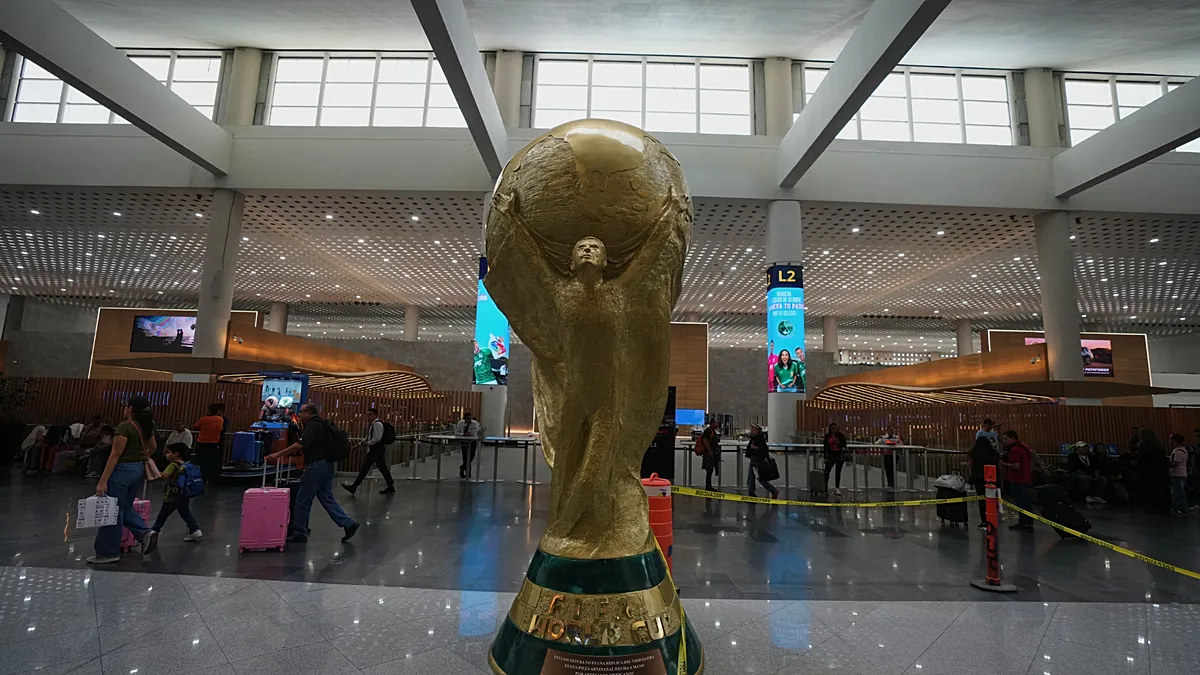
2026 World Cup – The 2026 FIFA World Cup is set to redefine global football events, marking a significant departure from past editions. This edition will feature a record number of 48 teams, doubling the traditional 32-participant format that was last seen in Qatar 2022. The expanded format introduces 12 groups of four teams each, which will result in a total of 104 matches—a 62% increase from previous tournaments. This change also extends the competition’s duration to 39 days, running from 11 June to 19 July, ensuring a longer stretch of football action across North America.
One of the most notable aspects of the 2026 World Cup is its unprecedented geographical spread. For the first time in history, three nations—United States, Mexico, and Canada—will share hosting responsibilities. This tri-national collaboration will see matches played in 16 cities, ranging from the bustling streets of Mexico City to the coastal vibes of Miami and the northern landscapes of Vancouver. The United States, as the primary host, will manage the majority of fixtures, including all knockout rounds from the quarter-finals onward. This arrangement highlights FIFA’s ambition to create a more inclusive and geographically diverse tournament.
Historic Venue in Mexico City
Azteca Stadium in Mexico City is poised to make history by becoming the first venue to host three men’s World Cups. The iconic stadium will welcome the 2026 tournament, following its previous roles in the 1970 and 1986 editions. This time, it will serve as the opening match venue, a move that underscores its enduring significance in football history. The stadium has been a stage for iconic moments, including Brazil’s triumph in 1970 and Argentina’s victory in 1986 under the legendary Maradona.
As part of the tournament’s legacy initiatives, a tribute to Pelé will be added. Mexican authorities have unveiled a large statue of the Brazilian icon outside the stadium, commemorating his contributions to the sport. The Azteca’s return to the World Cup spotlight is a reminder of its role as a symbol of football’s global reach and cultural impact. Its continued use in 2026 also emphasizes the blend of tradition and innovation that defines the event.
Climate Challenges and Protective Measures
Environmental concerns have become a central topic in discussions about the 2026 World Cup. A report from World Weather Attribution (WWA), a leading international scientific initiative, warns that nearly a quarter of the matches could take place in conditions posing risks to both players and spectators. Cities like Miami, Kansas City, and Philadelphia, known for their high temperatures and humidity during June and July, are particularly vulnerable to these challenges.
FIFA has acknowledged the issue and is exploring solutions, including cooling breaks and other protective measures. However, experts from the New Weather Institute think tank and the Cool Down Sport for Climate Action network have raised doubts about the effectiveness of these adjustments. In an open letter, they argue that the current cooling guidelines are insufficient to address the physiological demands of players in extreme heat. The letter emphasizes that the existing protocols “cannot be justified” in light of climate projections, calling for a reevaluation of the tournament’s health and safety standards.
Entertainment Redefined
The 2026 World Cup is also set to introduce a groundbreaking element: a musical halftime performance during the final match. This will be the first time a men’s World Cup final features live entertainment during the break, shifting the focus from pre-game spectacles to in-game shows. The final will take place at New Jersey’s MetLife Stadium, a venue renowned for its versatility in hosting large-scale events and concerts.
The decision to incorporate a halftime show reflects FIFA’s desire to align the tournament with major US sports events, such as the Super Bowl. While traditional World Cup finals have relied on pre-match entertainment or opening/closing ceremonies, the 2026 edition will integrate live performances directly into the game. The lineup includes renowned artists like Shakira, Madonna, and South Korean group BTS, with Chris Martin of Coldplay set to join the event. This collaboration with Global Citizen aims to create a unique blend of football and pop culture, enhancing the tournament’s global appeal.
Global Representation and Inclusivity
FIFA’s decision to expand the tournament to 48 teams is driven by a desire to improve the competition’s global representation. The new format will provide more opportunities for nations from Africa, Asia, and CONCACAF to qualify, ensuring a broader geographical spread of participating countries. This change addresses longstanding concerns about the dominance of European and South American teams in the World Cup, offering a more balanced platform for football talent worldwide.
While the expanded format introduces complexity, it also promises greater excitement and unpredictability. The increased number of matches and teams means more potential for upsets and dramatic finishes, making the tournament more dynamic. Additionally, the involvement of three host nations adds a layer of cultural diversity, with each country bringing its own unique atmosphere to the event. From the vibrant energy of Mexico City to the cool climate of Vancouver, the 2026 World Cup will showcase a range of environments, enriching the experience for fans across the globe.
The 2026 World Cup is not just a sporting event but a cultural and technological milestone. Its innovative features, from the expanded team count to the halftime show, reflect FIFA’s commitment to pushing boundaries and adapting to modern challenges. As the tournament approaches, the focus will remain on delivering an unforgettable experience while addressing the needs of players, fans, and the planet. Whether through the spectacle of football or the harmony of music, the 2026 World Cup aims to set a new standard for global sports events.