UEFA Extends Competition Ban on Russian Teams and Clubs for 2026/27 Season
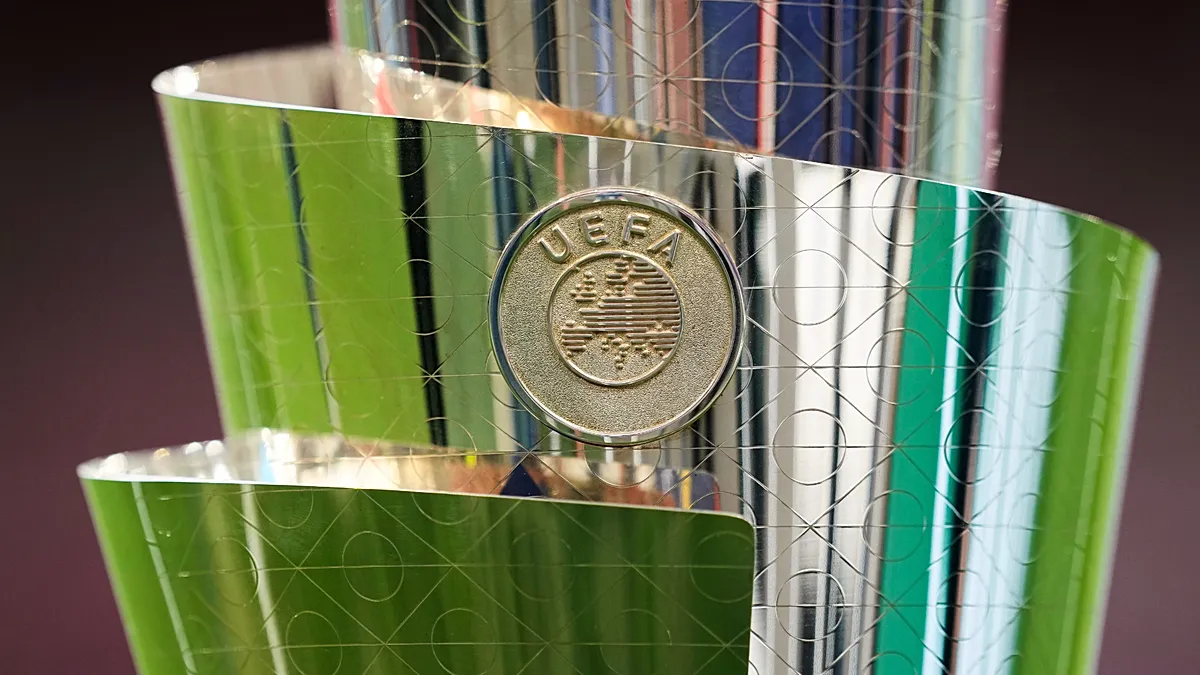
UEFA extends competition ban on Russian – In a recent announcement, UEFA has confirmed that Russian national teams and clubs will remain excluded from all international competitions under its jurisdiction for the 2026/27 season. This decision builds on the existing sanctions imposed by the organization following Russia’s full-scale invasion of Ukraine in late February 2022. The ban has been extended to ensure that Russian football remains isolated from European competitions, a move that has reshaped the landscape of the continent’s footballing activities.
The Union of European Football Associations (UEFA) stated in its official document that the Executive Committee has updated the list of teams and clubs eligible to compete in the upcoming season. These changes align with the current suspension of Russian entities from UEFA events. The adjustments include the redistribution of titleholder spots and the application of the European performance-based quota system to maintain fairness in tournament participation.
“The UEFA Executive Committee has revised the list of entrants for the 2026/27 season, ensuring it reflects the current suspension of Russian national teams and clubs from UEFA competitions. The list has also been updated to account for competition outcomes, such as the reallocation of titleholder positions and the use of the European performance-based quota,” reads the organization’s official statement, which is sourced in Russian.
In early June, a coalition of Ukrainian football stakeholders—comprising the Ukrainian Association of Football, the National Olympic Committee, and the Ministry of Youth and Sports—filed an official appeal to FIFA and UEFA. The letter urged the international football authorities to retain their existing sanctions against Russia and to apply similar measures to Belarus. This request underscores the ongoing pressure from Ukraine to maintain the ban as a symbolic and practical response to Russia’s military actions.
The suspension of Russian teams began in late February 2022, immediately after the invasion of Ukraine. At that time, FIFA and UEFA acted swiftly, barring Russia from participating in all their competitions. This move deprived the Russian national team of the opportunity to compete in the World Cup play-offs, while Premier League clubs were excluded from European club tournaments such as the UEFA Champions League and Europa League. The impact on Russian football was significant, both in terms of visibility and financial gains.
Despite the ban, Russia still holds a place in UEFA’s coefficient rankings, albeit at the 28th position. This ranking determines the number of teams a country can send to European club competitions, and Russia theoretically remains eligible to field four clubs. However, the absence of a clear pathway to qualify has left the nation’s football infrastructure struggling. The Russian national team, for instance, has been limited to friendly matches since the ban, with recent fixtures against teams from Burkina Faso, Egypt, Mali, and Nicaragua.
In September 2023, UEFA’s Executive Committee made a notable shift, permitting Russia’s under-17 teams to return to competition. This decision was seen as a potential reprieve for youth football in the country, but it was quickly reversed in October. The reversal highlights the ongoing tension between maintaining sanctions and allowing partial participation, particularly in development-focused categories.
Russian sports commentators have noted the gradual decline in the quality of football within the nation. “The isolation is slowly but surely leading to the decline of football in Russia,” one analyst remarked. They point to the limited exposure of Russian clubs to top-tier European competitions as a key factor in this stagnation. The absence of high-profile matches and the reduced number of teams qualifying for continental events have, according to experts, weakened the competitive environment.
Despite these challenges, UEFA has not completely erased Russia’s presence in the footballing world. The organization continues to assign the country the minimum coefficient points each season, ensuring its rankings remain intact. This approach allows UEFA to acknowledge Russia’s historical contributions to European football while keeping it sidelined from major competitions. Additionally, the organization remains committed to its financial obligations, including solidarity payments and support for youth and grassroots development programs.
The extended ban has sparked debates about its long-term effects. Some argue that it has forced Russian teams to focus on domestic leagues, fostering closer ties with local fans and reducing reliance on international exposure. Others, however, warn that the lack of participation in UEFA events could hinder the development of young talent and diminish the country’s global standing in football. The situation remains a focal point for discussions on how to balance geopolitical considerations with the sport’s growth and competitiveness.
As the 2026/27 season approaches, the implications of the ban will become more apparent. The Russian national team’s limited role in international fixtures has already affected its ability to earn valuable ranking points, while clubs continue to face restrictions in their pursuit of European glory. The decision by UEFA to extend the ban reflects a determination to maintain the status quo, even as the organization grapples with the evolving dynamics of Russian football’s exclusion from the continent’s premier competitions.