Israel Sets October 27 Vote as Political Turning Point for Netanyahu
A Historic Full Term and National Referendum
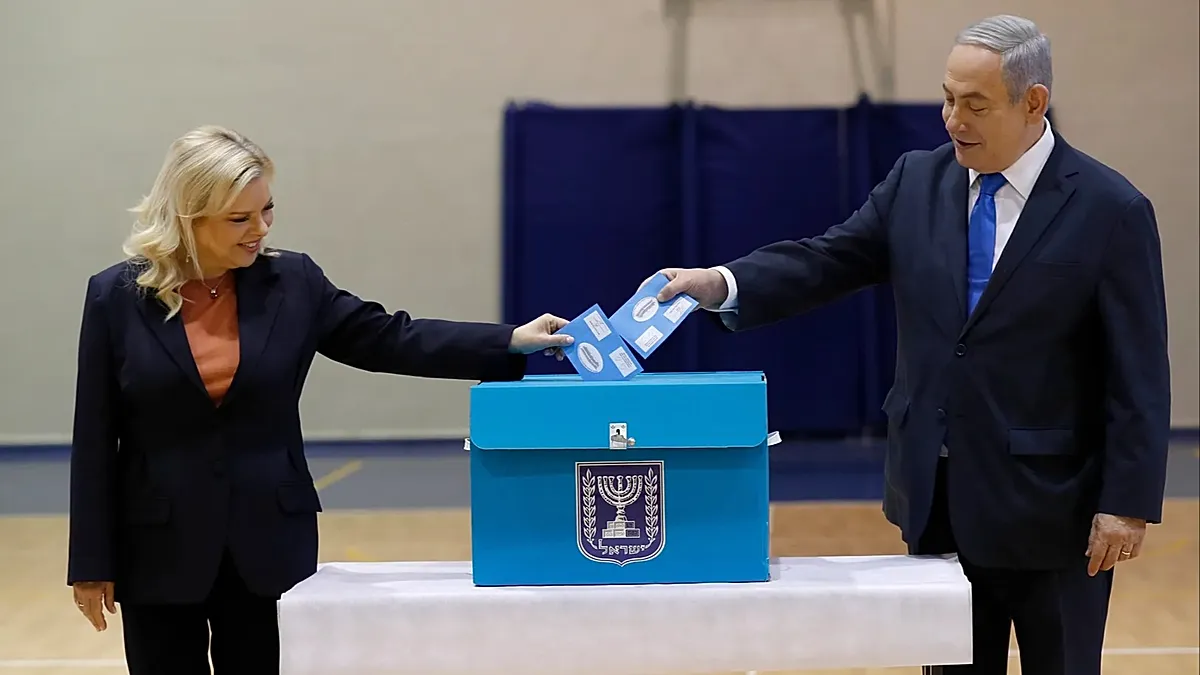
Israel to hold elections on 27 October – Israel’s legislative body has officially confirmed that national elections will take place on October 27, marking the final permissible date under existing legal frameworks. This decision carries particular significance, as the upcoming ballot is being interpreted by political analysts and citizens alike as a crucial referendum on Prime Minister Benjamin Netanyahu’s continued leadership. The timing follows the conclusion of what may prove to be a transformative period for Israeli politics, beginning with the outbreak of the Gaza conflict in 2023.
The Knesset, Israel’s parliament, is scheduled to conclude its current legislative session on July 17. This milestone represents an important development, as it will allow the governing coalition to complete a full four-year term for the first time in several decades. Such consistency in parliamentary duration has been relatively rare in Israeli political history, where early elections have frequently disrupted legislative cycles.
“Since the current Knesset is expected to serve its full term and the next general election is already set by law for 27 October, with no intention of shortening the legislature’s tenure, there is no need to enact a Knesset Dissolution Law in the usual sense,” parliament stated in its official announcement.
Netanyahu’s Ambitions and Political Strategy
At 76 years of age, Netanyahu has already secured his position as Israel’s longest-serving prime minister, having held the office across multiple non-consecutive terms. He has publicly declared his intention to seek another term in the upcoming election. His administration, recognized as one of the most right-wing coalitions in the nation’s history, has been actively working to strengthen its political position through legislative action.
The government has been racing to pass a series of important bills before the election deadline, aiming to boost its alliance and enter the electoral contest from a position of enhanced strength. This legislative push reflects Netanyahu’s broader strategy to consolidate support and demonstrate governance effectiveness.
Notably, the Israeli prime minister has signaled a shift in his political messaging. Last month, he articulated his vision for the future, stating: “establish a broad national government, not a right-wing, not a left-wing government that depends on Arab parties, but a broad national government.” This outreach across political divides is widely interpreted as an effort to reposition his campaign around themes of national unity rather than strict ideological alignment.
Public Sentiment and Emerging Challenges
Despite Netanyahu’s strategic positioning, recent polling data reveals that a majority of Israeli citizens desire a change in leadership. Former military chief Gadi Eisenkot has emerged as the prime minister’s most significant challenger in the upcoming contest. This development underscores the competitive nature of the electoral landscape.
The Israeli public has expressed considerable criticism regarding the ceasefire agreement that brought an end to the conflict between Israel and Iran, which was launched with American involvement in late February. Many observers and citizens viewed the diplomatic arrangement between Tehran and Washington as potentially unfavorable to Israeli interests, creating additional political headwinds for the current administration.
Compounding these concerns is persistent public dissatisfaction related to security vulnerabilities that became apparent during Netanyahu’s tenure. The October 7, 2023 attacks by the Palestinian militant organization Hamas on southern Israel exposed significant gaps in Israel’s defensive capabilities. These security failures continue to resonate with voters and may influence their electoral decisions in October.
As the election date approaches, all eyes will be on how Netanyahu’s coalition navigates these challenges and whether his vision for a broad national government can translate into electoral success. The outcome will undoubtedly shape Israel’s political trajectory for years to come.