Portugal to Add 340 PSP Officers at Airports This Summer to Reduce Delays
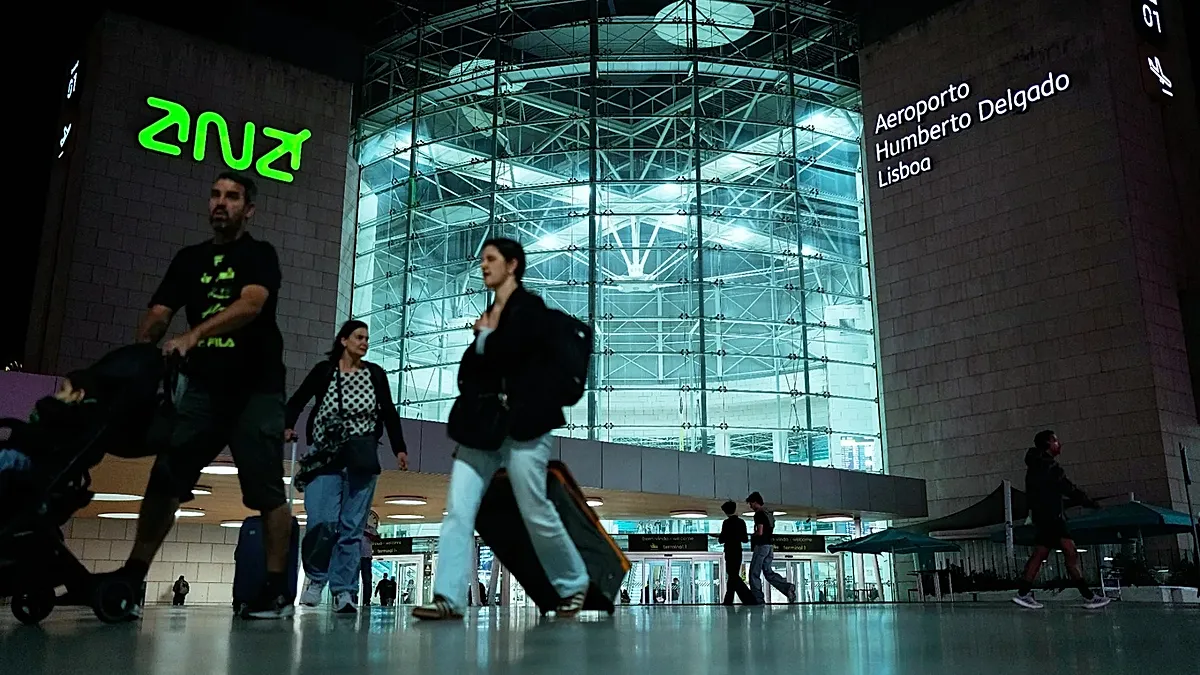
Portugal to deploy over 300 more – As the summer travel season approaches, the Portuguese government has announced plans to boost security staffing at its national airports by deploying an additional 340 Public Security Police (PSP) officers starting on 4 July. This decision follows reports of prolonged queues and congestion at border control points, particularly at Lisbon airport, which has been a focal point of the issue. The move aims to enhance operational efficiency and ensure smoother passenger processing during peak tourist traffic. Interior Minister Luís Neves confirmed the deployment, emphasizing the importance of addressing these challenges ahead of the busiest travel period of the year.
Strategic Staffing Increase Targets Key Airports
The minister outlined the distribution of the new personnel, stating that Lisbon will receive 140 officers, Porto 100, and further allocations to Faro, Funchal, and Ponta Delgada. These locations were identified as critical for managing the influx of travelers, with the government prioritizing areas experiencing the most significant bottlenecks. The officers will undergo specialized training tailored to border control operations, ensuring they are equipped to handle the increased volume of passengers. This initiative is part of a broader effort to modernize airport procedures and align them with the demands of a growing number of tourists and business travelers.
“On 4 July, we will deploy another 340 people, PSP officers who are currently receiving specific training for work at the borders. Lisbon alone will get 140, 100 will go to Porto, and then others to Faro, Funchal and Ponta Delgada,” the minister said, in comments reported by Portuguese television network SIC.
The decision to expand staffing comes amid a surge in demand for air travel, driven by the approaching summer months. With tourist flows expected to reach record levels, the government is taking proactive steps to prevent delays from escalating. Interior Minister Neves highlighted that the recent bottlenecks have been attributed to multiple factors, including the implementation of the European Union’s Entry/Exit System (EES). This system, designed to streamline cross-border movement, requires the collection of biometric data from travelers from third countries and tracks their entries and exits from the Schengen area.
EU System Linked to Queues, Despite Commission Denial
While the Portuguese government has pointed to the EES as a contributing factor to the delays, the European Commission has disputed this claim. In a response to the Lusa news agency, an official source from Brussels asserted that the challenges faced at Portuguese airports, such as longer waiting times, are not connected to any issues with the EES’s performance. “The challenges faced in Portugal, including longer waiting times, are not related to any problems in the functioning of the Entry/Exit System,” the Commission stated, adding that it remains “in contact with Portugal on this matter” and “will continue to provide the necessary support.”
Despite the Commission’s reassurance, the minister stressed that the deployment of extra officers is a necessary measure to alleviate the current strain on airport infrastructure. He noted that the EES rollout has introduced new procedural steps, which, while designed to improve security and data accuracy, may have temporarily disrupted the flow of passengers. “It is important to look at how operations have gone in recent days. Saturday, for instance, may have been the day of the year when the most passengers used Portuguese airports,” Neves said, adding that the situation “went very well” with the added resources. This statement suggests that the government is confident the staffing increase will mitigate the impact of the EES on passenger experience.
“It is important to look at how operations have gone in recent days. Saturday, for instance, may have been the day of the year when the most passengers used Portuguese airports,” Neves said, adding that the situation “went very well”.
Earlier this week, the government had already taken steps to address the issue by adding 48 PSP officers to Lisbon airport, the busiest in the country. This airport handles the majority of national air traffic, making it a prime location for targeted intervention. The recent adjustments reflect the government’s commitment to maintaining efficient operations during high-demand periods. However, the broader context of the EES rollout highlights the complexities of integrating new systems into existing infrastructure. The EES, which began operating in Portugal in 2024, has been a point of discussion among EU member states, with some countries reporting similar issues in border management.
The EES requires travelers from non-EU nations to submit biometric data, including fingerprints and facial scans, at the point of entry. This process is intended to enhance security by creating a more accurate record of visitors to the Schengen area, ensuring that individuals entering the region are properly documented. However, the transition has posed challenges, such as technical hiccups and adjustments in workflow, which have led to temporary delays. The Portuguese government’s response to these challenges underscores the importance of balancing security requirements with the need for operational efficiency.
In addition to the staffing increase, the government has committed to monitoring the situation closely and making further adjustments if necessary. Neves emphasized that the measures are part of a flexible strategy to adapt to the dynamic nature of air travel demand. He also mentioned that the recent improvements in airport operations have been a result of coordinated efforts between security agencies and airport authorities. “The situation at the borders has improved significantly over the past few days,” he said, underscoring the effectiveness of the new personnel in reducing congestion.
Portugal’s efforts to manage airport queues are not isolated. Across Europe, similar measures have been implemented to address the challenges of increased travel and the integration of new digital systems. The EES has been a subject of debate, with some critics arguing that its complexity could lead to slower processing times in the short term. Nonetheless, proponents of the system believe it will eventually improve the accuracy of traveler data and support long-term efficiency in cross-border movements. For now, the additional PSP officers are expected to provide immediate relief to passengers and demonstrate the government’s responsiveness to emerging challenges.
With the summer months just around the corner, the Portuguese government is preparing for a projected increase in air traffic, which is anticipated to exceed pre-pandemic levels. The recent deployment of extra officers aligns with this preparation, ensuring that airports can handle the influx without compromising safety or service quality. The minister’s comments also suggest that the government is committed to evaluating the performance of the EES and refining its implementation to better serve the needs of travelers. “We are constantly reviewing our processes to ensure they meet the demands of the season,” he said, highlighting the proactive approach taken by the authorities.
As the new officers take their posts, the focus will be on their ability to integrate seamlessly into existing workflows and address the specific challenges faced by each airport. The success of this initiative will depend on factors such as staff training, coordination between different agencies, and the technological readiness of the EES system. While the Commission maintains that the delays are not directly tied to the EES, the Portuguese government’s decision to prioritize human resources over technical adjustments reflects a pragmatic approach to managing immediate concerns. This strategy aims to provide a temporary solution while long-term improvements are planned for the future.
The increased presence of PSP officers at Portuguese airports is also a response to growing concerns about security and the need for a more robust border control system. With the rise in international travel, the government is ensuring that its airports are equipped to handle both the volume and the complexity of passenger movements. The minister’s emphasis on the importance of these changes underscores the critical role that security personnel play in maintaining the efficiency and safety of the nation’s transportation hubs. As the summer season unfolds, the success of these measures will be closely watched, not only in Portugal but also as a model for other countries facing similar challenges.