Rethinking Democratic Engagement: Ireland’s Innovative EU Presidency Consultation
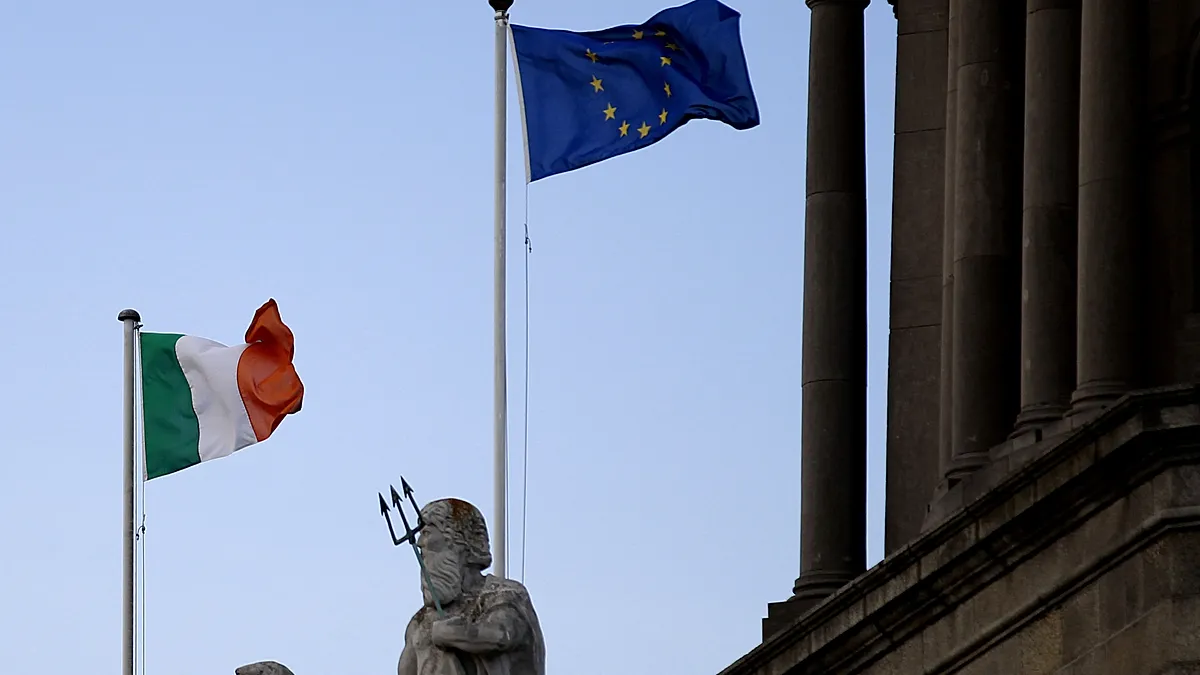
21st century democracy – Each half-year cycle sees a different European Union member nation assume leadership of the Council of the European Union, steering negotiations on pivotal policy matters across the continent. Though engaging local populations regarding national priorities during the presidency term is encouraged, approaches vary considerably among member states. Traditional methods typically involve focused dialogues with business sectors, academic institutions, and civil society organizations, alongside formal interinstitutional exchanges. Ireland has distinguished itself through an exceptionally open, participatory framework that granted diverse stakeholders genuine opportunities to shape the national agenda.
A Model of Transparency and Inclusion
The Irish initiative directly challenges prevailing assumptions about the limited capacity of member states to project their national vision onto the broader European agenda. Rather than relying solely on elite consultations, this comprehensive exercise demonstrated that ordinary citizens could meaningfully influence policy direction. The consultation officially commenced on November 5, 2025, representing an ambitious eight-month advance planning period before Ireland’s presidency began. While the formal window spanned five weeks and three days, organizers permitted late submissions for several additional days following the official deadline.
Public awareness campaigns reached audiences through multiple channels, including official government portals, press communications, and non-governmental networks. Participants encountered four essential questions concerning their personal or organizational background, followed by five accessible prompts requiring responses of five hundred words or less. This straightforward design ensured accessibility for citizens without specialized expertise in European affairs.
Measurable Outcomes and Public Priorities
The initiative attracted 484 distinct contributions spanning individual citizens, civil society organizations, commercial enterprises, academic professionals, and representative institutions. According to data presented in Annex I of the final summary document, respondents identified three primary concern areas. Competitiveness emerged as the leading priority at 14.15 percent of responses, followed by values at 12.32 percent, and health considerations at 11.46 percent.
Within the competitiveness category, detailed analysis revealed that 57.8 percent of contributors emphasized regulatory simplification as their foremost concern. Meanwhile, 36.2 percent highlighted technological progress, innovation capacity, and research development as essential priorities. These findings provided Irish negotiators with concrete guidance for positioning the country’s interests during European discussions.
Broader Implications for European Democracy
The accessible format served multiple purposes beyond immediate policy guidance. Policymakers gained valuable insights into domestic sentiment, enabling them to calibrate their positions with greater confidence. Simultaneously, the process heightened public awareness of European Union affairs—an area traditionally attracting limited popular engagement. The consultation’s structural simplicity proved particularly effective, as clear submission procedures, reasonable timeframes, and uncomplicated question formats enabled participation from all societal segments rather than exclusively those already embedded in European policy circles.
Perhaps most significantly, the publication of an extensive thirty-page comprehensive summary offering detailed explanations of participant demographics and expressed viewpoints established a benchmark for transparency. This practice demonstrates how both individual member states and European Union institutions could enhance their own democratic engagement strategies. By making the consultation process visible and accessible, Ireland illustrated that meaningful public participation in European governance remains entirely achievable within the current institutional framework.
The open and inclusive format of the public consultation not only allowed Irish policymakers to gauge local sentiment and steer their positions accordingly, but it also raised public awareness and, possibly, stimulated interest in EU affairs — something that normally very few people are interested in.
Ultimately, Ireland’s experience suggests that democratic innovation within European institutions need not require structural reform. Instead, thoughtful design and genuine commitment to inclusion can transform how member states connect with their citizens during critical periods of European leadership.