European Parliament Moves to Exclude Far-Right ESN from EU Political Framework
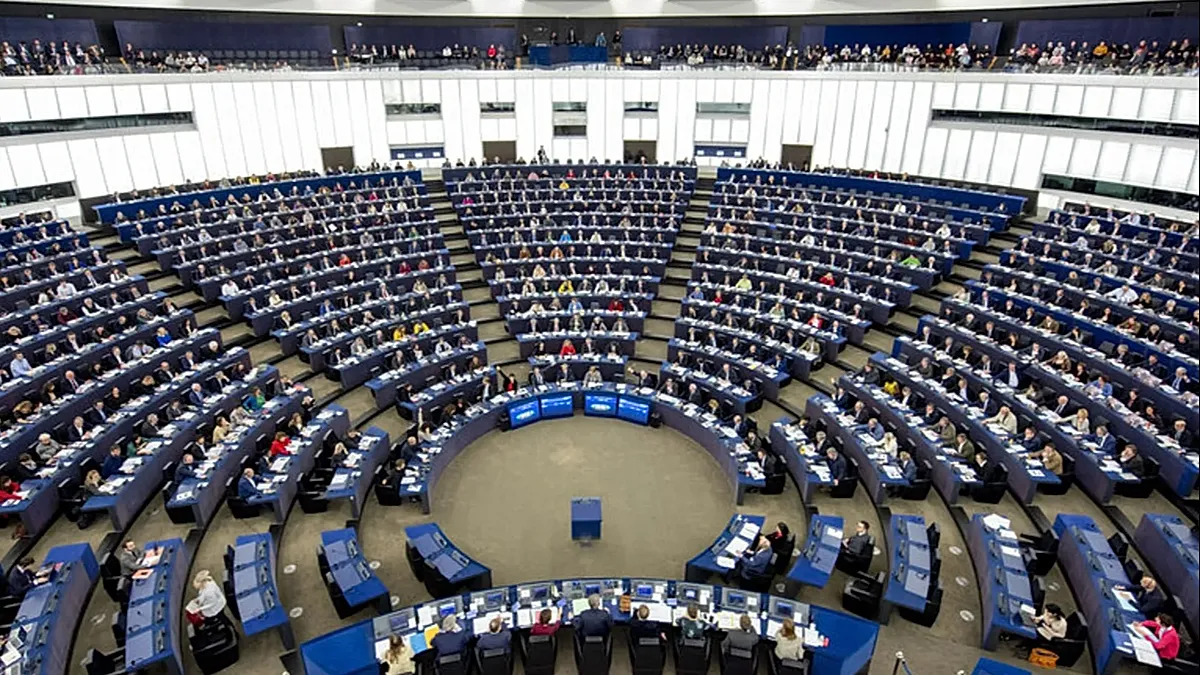
European Parliament triggers procedure to ban Alternative – On Tuesday, the European Parliament initiated a formal review of the Europe of Sovereign Nations (ESN) party, which includes the Alternative for Germany (AfD) and other far-right groups across the continent. The decision, passed by a vote of 414 in favor, 224 against, and 18 abstentions, empowers the Authority for European Political Parties and European Political Foundations (APPF) to examine whether the ESN adheres to the foundational values of the European Union. If found lacking, the party could face expulsion from the EU political structure and lose access to EU funding, which is a significant step in tightening the Union’s grip on ideological alignment.
Political Forces Unite Against ESN’s Ideological Stance
The vote was conducted via secret ballot, yet the opposition was clear. The European Conservatives and Reformists (ECR) and Patriots for Europe (PFE), two right-wing factions, rallied against the move, while the remaining groups in the Parliament supported the initiative. This split highlights the ideological divide within the EU’s political landscape, with some lawmakers prioritizing the protection of core European principles over the inclusion of far-right movements. The ESN, which has drawn criticism for its stance on issues like immigration and multiculturalism, now faces scrutiny over its adherence to democratic norms and human rights.
Supporters of the resolution argued that the ESN’s activities and declarations contravene EU values. Socialist MEP Alessandro Zan, who championed the decision, emphasized the importance of holding the party accountable. In a
statement following the vote, he declared, “No EU taxpayer money for those who trample on the fundamental values upon which the Union was founded.” Zan’s remarks underscore the Parliament’s resolve to ensure that member parties uphold democratic standards, even as they represent diverse national interests.
Evidence of Ideological Misalignment
The APPF’s investigation is based on a dossier of evidence compiled by Parliament’s committees. This includes a range of incidents and statements from ESN members that challenge the Union’s core principles. For instance, representatives of AfD have been accused of promoting Nazi ideologies, with some lawmakers expressing sympathy for the far-right movement. Additionally, Thierry Baudet of the Dutch Forum for Democracy has advocated for mass “remigration” to safeguard a “white” Europe, a policy that critics view as discriminatory.
The evidence also cites actions taken by other ESN-associated parties. In the Czech Republic, the Social Democratic Party (SPD) displayed racist banners during a campaign, while Bulgaria’s Revival party blocked the screening of a film depicting homosexual relationships. A German court further added to the dossier by ruling that AfD’s policy program is “contrary to human dignity and freedom of religion.” These examples, compiled over time, form the basis for the Parliament’s claim that the ESN fails to meet EU standards, even as it operates as a transnational political entity.
ESN’s Defense and Political Structure
The ESN swiftly responded to the vote, condemning the decision as an overreach. In a press statement, the party asserted that its members must retain the freedom to express concerns about the people they represent, regardless of whether those views diverge from the prevailing political consensus. The ESN’s spokesperson highlighted the threat posed by administrative procedures and financial sanctions, arguing that such measures could stifle open debate and ideological diversity within the EU.
Founded in August 2024, the ESN emerged as a coalition of eight far-right parties, led by AfD and including Poland’s Confederation, France’s Reconquête, and the Italian National Future party. The latter joined the alliance in its final phase, bringing former League leader Roberto Vannacci into the fold. Despite its transnational nature, the ESN maintains a distinct legal identity from the European Parliament’s political group, which consists of 27 MEPs and is formed by the same parties. This separation is crucial, as the political group operates as a faction within the Parliament, while the ESN is an independent entity at the EU level.
Political groups and parties serve different roles in the EU’s institutional framework. While groups are parliamentary factions that influence legislative debates, parties are national alliances that receive funding from the EU budget. The ESN’s political group, which is part of the Parliament, is not automatically at risk if the party’s status is revoked. However, the Parliament’s decision to trigger the procedure signals a broader effort to align all EU-level parties with democratic values, regardless of their structural independence.
Implications for EU Politics and Future Actions
The move to investigate the ESN has sparked discussions about the balance between ideological diversity and unity within the EU. Critics argue that the decision could marginalize smaller parties and set a precedent for excluding far-right groups, potentially impacting the Parliament’s ability to represent a wide spectrum of opinions. Proponents, however, see it as a necessary step to reinforce the Union’s commitment to human rights and democratic governance.
As the APPF begins its review, the process may take several months, during which evidence will be scrutinized and findings presented. The outcome could determine whether the ESN retains its status as a recognized European political party or is excluded from the Union’s institutional framework. This action also reflects growing tensions within the Parliament, with progressive factions pushing to hold far-right parties accountable for their policies and rhetoric.
The ESN’s influence extends beyond its immediate members, as it represents a broader movement of Eurosceptic and nationalist parties across Europe. By challenging the EU’s values, these groups aim to reshape the political landscape, advocating for policies that prioritize national sovereignty over supranational integration. The Parliament’s decision to initiate the procedure against the ESN may be seen as a pivotal moment in this ongoing debate, with the potential to redefine the boundaries of acceptable political expression within the Union.
Looking ahead, the ESN and its affiliated parties will need to address the concerns raised by the Parliament. If they fail to demonstrate alignment with EU values, the consequences could be severe, including the loss of funding and the removal of their political status. This development also raises questions about the future of similar parties, as they may face increased pressure to conform to the Union’s principles. Meanwhile, the European Parliament’s action underscores its role in shaping the ideological direction of the EU, even as it grapples with the complexities of representing a diverse and often divided member body.
Ultimately, the ESN’s fate will hinge on the APPF’s investigation and the Parliament’s final verdict. The outcome may influence the broader political discourse in Europe, setting a standard for how far-right parties are evaluated and treated within the EU’s institutional framework. As the procedure unfolds, the debate over freedom of speech, national identity, and the future of European integration will continue to dominate the political agenda.