UK Fighter Jets Intercept Russian Aircraft Near NATO Carrier in Norwegian Sea
UK fighter jets intercept Russian plane – The UK’s defense ministry has highlighted a recent incident involving a Russian patrol aircraft engaging in “unsafe” maneuvers near the nation’s flagship aircraft carrier, HMS Prince of Wales, while conducting NATO air defense operations off the coast of Iceland. This event, which took place in the Norwegian Sea, has been described as a demonstration of Russia’s growing assertiveness in the region. According to the ministry, the Bear-F plane approached the carrier group at an unusually low altitude, creating a potential risk to the NATO mission.
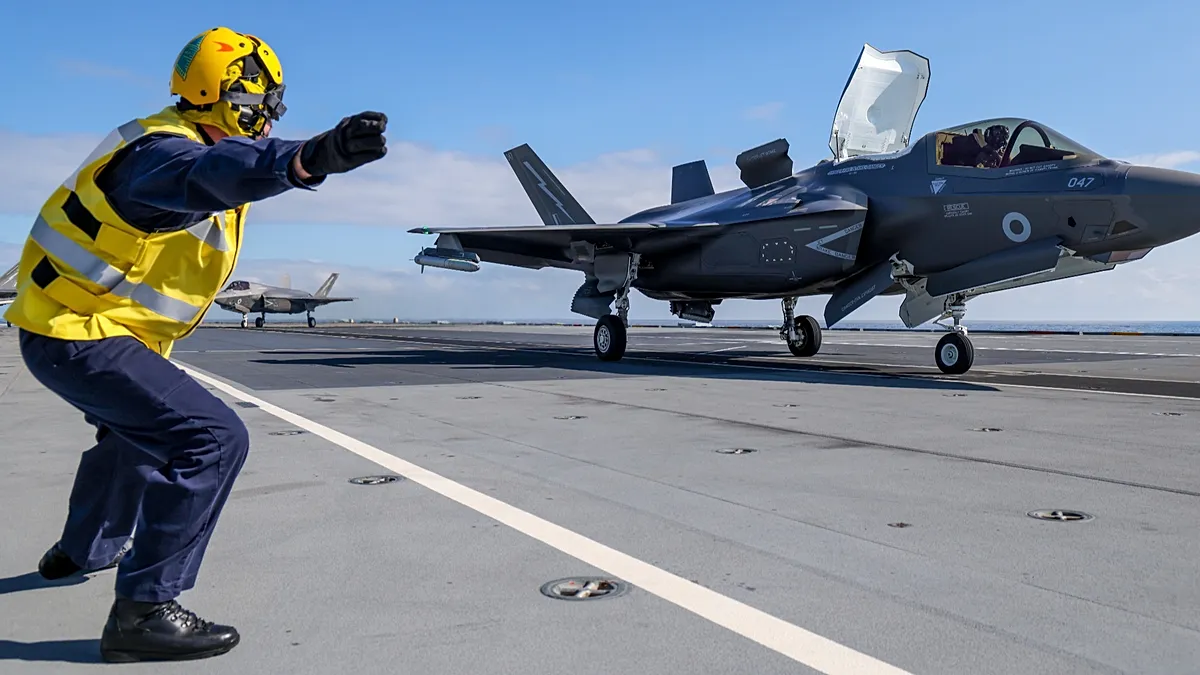
Details of the encounter reveal that the Russian aircraft carried out multiple close passes over the carrier, dropping several sonar devices in its vicinity. These actions, the ministry claims, were “unnecessarily close” and lacked the necessary caution expected during joint military operations. In response, two F-35 Lightning II jets were deployed from the HMS Prince of Wales to intercept the Russian plane, ensuring it was escorted out of the area. The Ministry of Defence emphasized that the incident underscored the importance of maintaining vigilance in the face of increasing Russian activity.
“This activity was unsafe and unprofessional,” said a ministry spokesperson regarding the incident in the High North, a term used to describe the strategically critical waters around the Arctic. “The proximity of the Russian plane to the carrier group could have jeopardized the operation, and such behavior needs to be addressed to ensure the safety of NATO forces.”
The timing of the incident coincided with the visit of Defense Secretary Dan Jarvis and Icelandic Foreign Minister Thorgerdur Katrin Gunnarsdottir to the HMS Prince of Wales. During their inspection, the pair discussed the carrier’s role in bolstering NATO’s defense posture in the North Atlantic. The mission, which the Royal Navy is leading, is specifically aimed at countering what military officials describe as Russia’s “hybrid war” tactics in the region. These include a combination of conventional military actions and unconventional strategies to destabilize NATO allies.
Officials note that the current mission represents a milestone for NATO, as it marks the first time F-35 jets have operated from a European-based aircraft carrier to support air defense efforts. The move highlights the UK’s commitment to strengthening its naval and aerial presence in the area, particularly as tensions with Russia have escalated in recent months. Analysts suggest that the High North has become a focal point for strategic competition, with both sides deploying assets to assert dominance.
In a statement following the incident, Jarvis emphasized the significance of the deployment. “We live in an increasingly dangerous and uncertain time, and it’s deployments like this, supported by allies and partners including Iceland, that improve our deterrence and defense as part of NATO,” he said. Gunnarsdottir echoed this sentiment, adding that the presence of the carrier “is a clear demonstration of NATO’s enhanced ability to project power and respond to emerging threats in this strategically important region.”
Jarvis’s recent appointment as Defense Secretary has been met with mixed reactions, as he assumes the role less than a month after his predecessor, John Healey, resigned. Healey had criticized the government for underfunding a modernization plan designed to bolster Britain’s defense capabilities. His departure sparked a flurry of activity to secure additional financial support for the 10-year Defence Investment Plan, which aims to increase military readiness across the UK.
The proposed plan, unveiled by outgoing Prime Minister Keir Starmer last week, outlines a total investment of nearly £300 billion (€350 billion) in defense spending over the next four years. This includes an extra £15 billion (€17 billion) allocated to the military sector to ensure it is equipped to meet future challenges. However, the plan has been seen as falling short of the £28 billion (€32 billion) requested by the Ministry of Defence to fully modernize Britain’s armed forces.
Despite the funding gap, the UK continues to prioritize its military commitments in the North Atlantic. The HMS Prince of Wales, a flagship of the Royal Navy, is at the forefront of these efforts, with its deployment reflecting broader NATO strategies to counter Russian advances. As the carrier operates under the radar of the High North, its presence is not only a defensive measure but also a symbolic show of strength against potential adversaries. Military experts warn that Russia’s persistent activity in the region is part of a larger campaign to challenge NATO’s dominance and test the resolve of its members.
With the incident near HMS Prince of Wales serving as a reminder of the precarious balance in the region, defense officials stress the need for sustained investment and coordination. “The current situation demands a proactive approach,” Jarvis stated in a recent address. “Every deployment, every investment, and every alliance effort is critical to securing our collective security.” As NATO continues to adapt to new threats, the actions of its members, including the UK, will play a pivotal role in shaping the future of defense in the High North.
The Russian Bear-F plane’s behavior has raised concerns about the potential for escalation in the area. While the UK has taken measures to respond, the incident also highlights the importance of diplomatic engagement. Iceland’s Foreign Minister, Thorgerdur Katrin Gunnarsdottir, noted that the collaboration between nations is essential for maintaining stability. “This mission reinforces the unity of NATO and the shared commitment to protecting our interests,” she said. As the conflict between NATO and Russia intensifies, the actions of the UK’s military and its allies will remain under close scrutiny.