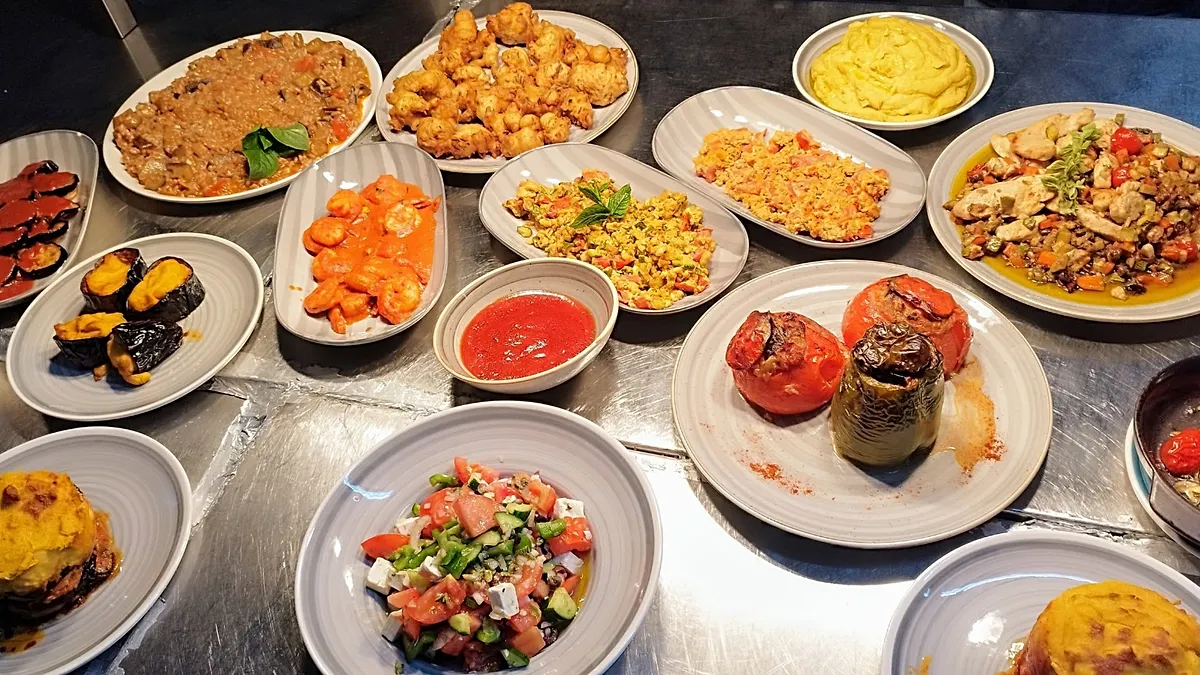
South Aegean Aspires to Secure 2028 World Region of Gastronomy Title
South Aegean bids for 2028 World – The South Aegean region has formally launched its application for the prestigious title of World Region of Gastronomy 2028, aiming to solidify its position as a global leader in culinary innovation and sustainable tourism. This bid marks a significant milestone, as it becomes the first Greek region to directly seek recognition from the International Institute of Gastronomy, Culture, Arts and Tourism (IGCAT), following its designation as European Region of Gastronomy in 2019. The decision to pursue the title was unanimously endorsed by the South Aegean Regional Council, which entrusted regional governor George Hatzimarkos with the task of finalizing the application process. The goal is to elevate the international standing of the region’s gastronomic heritage, which spans across its 50 inhabited islands, by showcasing a unique blend of cultural richness, environmental stewardship, and culinary excellence.
A Strategic Journey Rooted in Tradition and Vision
The bid is part of a broader, long-term initiative that began in 2014, designed to foster a cohesive identity for the South Aegean’s food culture. This strategy was further strengthened after the region’s successful European distinction in 2019, which served as a catalyst for expanding its ambitions on the global stage. Over the years, the region has consistently supported more than 40 gastronomic festivals and events annually, ensuring that local producers have a platform to engage with international audiences. These efforts have included strengthening participation in global trade fairs, promoting emerging chefs as ambassadors of island cuisine, and embedding gastronomy into the region’s planning for tourism, education, and sustainable development. The collaborative approach has created a dynamic ecosystem that bridges tradition and modernity, positioning the South Aegean as a model for sustainable food systems.
A key component of the strategy is the integration of culinary practices into the region’s sustainable development framework. By aligning gastronomy with environmental conservation, the South Aegean has demonstrated a commitment to preserving its natural resources while creating economic opportunities for local communities. For instance, the ‘Gastro Zero Waste’ programme focuses on reducing food waste through innovative recycling methods and promoting circular economy principles in the hospitality sector. Additionally, educational initiatives have been introduced to empower young people and professionals with the skills needed to sustain and advance the region’s culinary traditions. These measures reflect a holistic vision where food is not only a cultural artifact but also a driver of ecological and economic progress.
A Coalition of Stakeholders Driving the Initiative
The bid is backed by an alliance of 12 key organizations from the Dodecanese and Cyclades, each contributing to the region’s gastronomic narrative in distinct ways. The Chambers of Dodecanese and Cyclades play a central role in coordinating events and representing the interests of local producers. The University of the Aegean provides academic support through research and collaboration with industry experts, ensuring that the region’s culinary heritage is both preserved and evolved. Hotelier associations from Rhodes, Kos, and Santorini have also joined forces, working to enhance the visitor experience by integrating food culture into travel itineraries. Meanwhile, the Federation of Cultural Associations of Rhodes and the Chefs’ Club of Dodecanese and Cyclades focus on promoting the region’s unique flavors and traditions through creative and educational outreach.
The alliance further includes the Union of Winemakers and Vine Growers of the Aegean Islands, which highlights the region’s wine-producing legacy. Together, these stakeholders have developed a comprehensive action plan for 2028, outlining over 50 initiatives aimed at creating a sustainable and globally competitive food tourism model. These initiatives include the establishment of gastronomic routes that connect islands through shared culinary experiences, the development of cultural workshops that celebrate local ingredients, and the implementation of programs to reduce waste and promote eco-friendly practices in the food industry. The plan also emphasizes the importance of documenting the region’s gastronomic heritage, ensuring that future generations can learn from and build upon its rich traditions.
Building a Model for Island Gastronomy and Sustainability
Central to the South Aegean’s bid is the creation of a model that unites local production, cultural expression, biodiversity, and tourism. This model aims to showcase how island communities can thrive through sustainable practices while maintaining their distinct culinary identities. For example, the emphasis on biodiversity is evident in the region’s focus on promoting native ingredients, such as heirloom vegetables, traditional cheeses, and artisanal seafood, which are sourced from local farms and fisheries. These efforts not only support local economies but also reduce the carbon footprint associated with food transportation, aligning with global sustainability goals.
According to the South Aegean Regional Council, the bid represents a continuation of its efforts to position the region as a hub for innovation in gastronomy. This includes the adoption of modern techniques while honoring time-honored practices that have been passed down through generations. The council has also highlighted the importance of fostering cooperation between island regions, which will allow for the exchange of ideas and resources to enhance collective success. By creating a unified approach, the South Aegean hopes to demonstrate that smaller, island-based communities can play a vital role in shaping the future of global food systems.
“The islands’ gastronomy is not just a reflection of our history and traditions—it is the soul of our hospitality and a testament to our dedication to innovation, environmental protection, and sustainable development,” stated George Hatzimarkos, regional governor of the South Aegean. His comments underscore the region’s vision to build a legacy that balances cultural preservation with modern advancements, ensuring that its culinary heritage remains relevant and impactful.
As part of its preparation for the 2028 title, the South Aegean has also prioritized the documentation of its gastronomic heritage. This includes cataloging traditional recipes, preserving artisanal techniques, and creating educational materials that can be shared with both local and international audiences. The region’s commitment to sustainability extends beyond environmental concerns; it also encompasses social and economic dimensions, such as supporting small-scale producers and ensuring that the benefits of tourism are evenly distributed across the islands. These efforts are designed to create a lasting impact that resonates beyond the immediate goal of winning the World Region of Gastronomy title.
The bid is not only about competition but also about collaboration and shared growth. By bringing together diverse stakeholders, the South Aegean aims to create a network that can sustain its gastronomic identity for years to come. The Regional Stakeholder Committee, which includes representatives from local government, cultural organizations, educational institutions, and industry leaders, has played a crucial role in refining the action plan and ensuring its feasibility. Their collective expertise has allowed the region to present a compelling case that highlights both its unique characteristics and its potential to lead the way in sustainable gastronomy.
In a statement, Hatzimarkos emphasized that the bid is a natural progression of the region’s existing achievements. He noted that the 2019 European distinction was a stepping stone, but the 2028 bid represents a more ambitious vision. This vision includes the development of international partnerships, the promotion of culinary diplomacy, and the creation of a framework that supports continuous innovation in the food sector. The South Aegean’s approach underscores its belief that gastronomy can serve as a powerful tool for cultural exchange and sustainable development, offering a blueprint for other regions to follow.
With its strategic focus on sustainability, cultural preservation, and economic growth, the South Aegean’s bid for the 2028 title is poised to make a significant impact. The region’s ability to blend tradition with innovation, while maintaining a strong commitment to environmental stewardship, sets it apart as a candidate that is not only competitive but also visionary. As the application process continues, the South Aegean remains dedicated to its mission of creating a model that celebrates the interconnectedness of food, culture, and the environment, ensuring that its islands remain a beacon of gastronomic excellence for generations to come.