RSF Razes Multiple Villages in Darfur, Killing Dozens as UN Warns of Escalating Attacks on Children
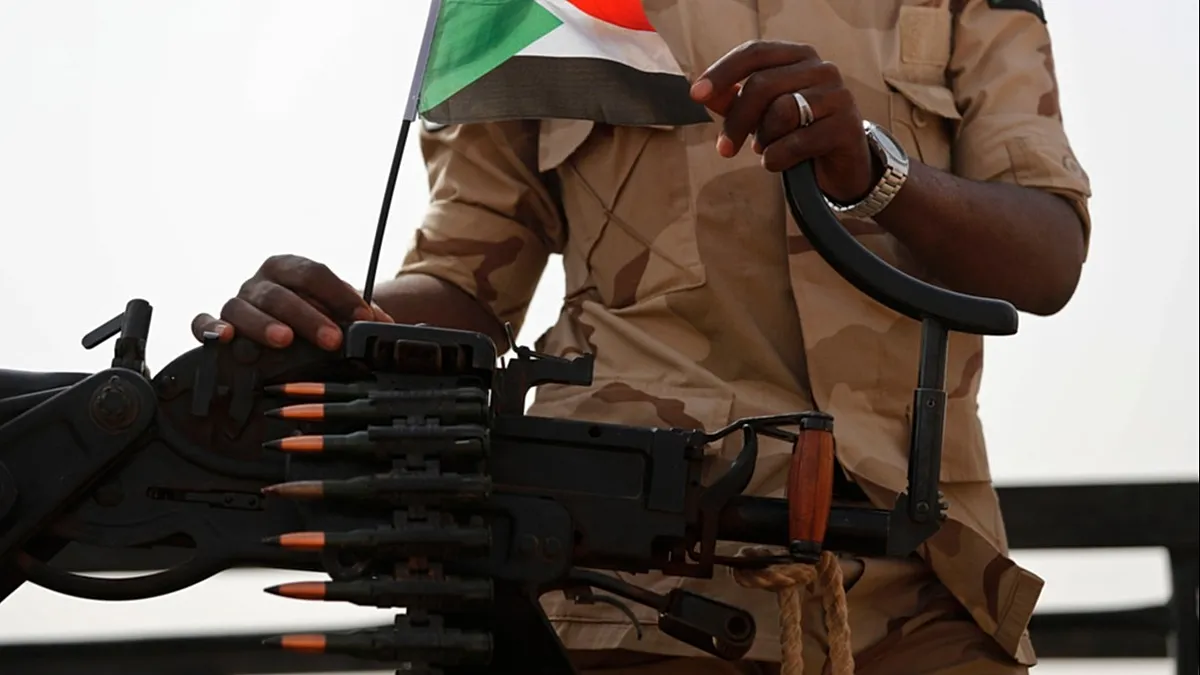
RSF razes multiple villages in Darfur – Recent clashes involving Sudan’s paramilitary Rapid Support Forces (RSF) near the western border with Chad have devastated several villages in the Darfur region, displacing thousands of civilians and leaving scores dead, according to survivors and UN sources. The attacks, which occurred in the Um Baru area of North Darfur state, mark another escalation in the ongoing conflict between the RSF and the Sudanese Armed Forces (SAF), a war that has seen shifting alliances and brutal tactics over the past three years.
Survivors describe scenes of destruction, with entire communities wiped out by artillery fire and flames. “They sent artillery through our homes, and the villages were reduced to ash,” recounted Issa Ibrahim, a man who fled with his family into Chad after witnessing the devastation. “We passed by two villages, Oruwa and Ana Baji, where bodies lay scattered across the ground.” The attacks are part of a broader pattern of violence targeting Darfur’s non-Arab ethnic groups, particularly the Zaghawa, whose communities have been repeatedly targeted by the RSF since the conflict began.
“They burned down homes and killed everyone who couldn’t run away,” said Mohamed Adam, a 43-year-old resident of Qarboura village. “Two of my brothers were among those who perished in the assault.” Adam’s account highlights the RSF’s strategy of using indiscriminate force to eliminate civilian populations, a tactic that has drawn condemnation from international observers.
The RSF’s aggression has intensified since its split from the Sudanese army in April 2023, when the two factions began a bitter conflict over control of the country’s military and political future. This rivalry has led to widespread atrocities, with the UN accusing the RSF of orchestrating mass killings against Darfur’s ethnic minorities. The recent assault on Wadi Fungo village, which saw over 3,500 people displaced in a single day, is emblematic of the group’s relentless campaign of destruction.
Earlier this year, the RSF seized El-Fasher, the last major stronghold of the Sudanese army in Darfur, in an attack described by a UN inquiry as bearing the “hallmarks of genocide.” The assault primarily targeted the Zaghawa population, who are a significant demographic in the region. Since then, the RSF has expanded its operations westward, striking at enclaves held by the Joint Forces, a coalition of army-aligned groups whose leaders and fighters are also largely Zaghawa. This territorial push has deepened the humanitarian crisis, as communities continue to face displacement and violence.
Human rights organizations and survivors have documented numerous instances of RSF war crimes, including the systematic razing of displacement camps and the use of sexual violence as a weapon of war. The group’s attacks have left civilians in a state of perpetual fear, with many forced to abandon their homes with little notice. “The conflict has turned our lives upside down,” said one displaced resident, describing the chaos that followed the destruction of their village.
In a separate report, the UN’s children’s agency highlighted the alarming rise in attacks on minors. According to the data, at least 330 children have been killed or injured by the RSF in the first six months of 2026. Over 200 children lost their lives, while at least 100 were maimed, primarily in the Kordofan and Darfur regions where the worst of the RSF’s violence has taken place. “Children are being killed and injured in their homes, on roads, in markets, and even while trying to access education and healthcare,” stated Sheldon Yett, the head of UNICEF in Sudan.
Humanitarian groups have warned that the war has already claimed tens of thousands of lives since its outbreak in 2023. Aid workers estimate that over 200,000 people have died in the conflict, with the majority of casualties attributed to the RSF’s military operations. Meanwhile, the UN reported that five million children across Sudan are internally displaced, a figure that has surged due to the ongoing violence. In the Kordofan region alone, over 825,000 children under five are suffering from severe acute malnutrition, a consequence of the war’s disruption to food supplies and infrastructure.
The RSF’s campaign has not only caused immediate harm but has also left long-term scars on the region’s social fabric. With the group’s forces increasingly encroaching on civilian areas, the situation for Darfur’s communities has grown more dire. “The attacks are not just about military control—they’re about erasing entire populations,” said a UN official, emphasizing the targeted nature of the violence. This has raised concerns about the possibility of a full-scale ethnic cleansing operation in the region.
As the conflict continues, international pressure is mounting on both the RSF and the Sudanese army to halt their hostilities and protect civilian lives. However, with reports of renewed violence and rising child casualties, the humanitarian situation remains critical. Survivors in Darfur are calling for urgent intervention, while the UN urges the global community to prioritize aid and security efforts in the region.
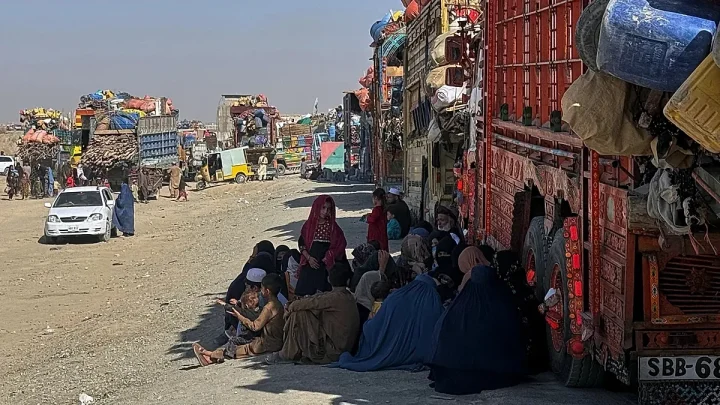
The toll of the war is evident in the daily struggles of those displaced. Many now live in makeshift camps with limited access to clean water, medical care, and shelter. Children, in particular, are bearing the brunt of the crisis, as schools are damaged or abandoned, and healthcare facilities are overwhelmed. “It’s heartbreaking to see children surviving the violence only to face hunger and disease,” said a local aid worker, underscoring the compounded suffering of the conflict’s victims.
With the RSF’s tactics evolving and the conflict showing no signs of abating, the UN and other international bodies are intensifying their calls for accountability. The organization has repeatedly accused the RSF of using civilian populations as shields and committing war crimes on a massive scale. As the war enters its third year, the stakes have never been higher for the people of Darfur, who continue to endure relentless attacks and the threat of further displacement.