Iran to host dozens of foreign leaders for Khamenei’s funeral, with Western nations absent
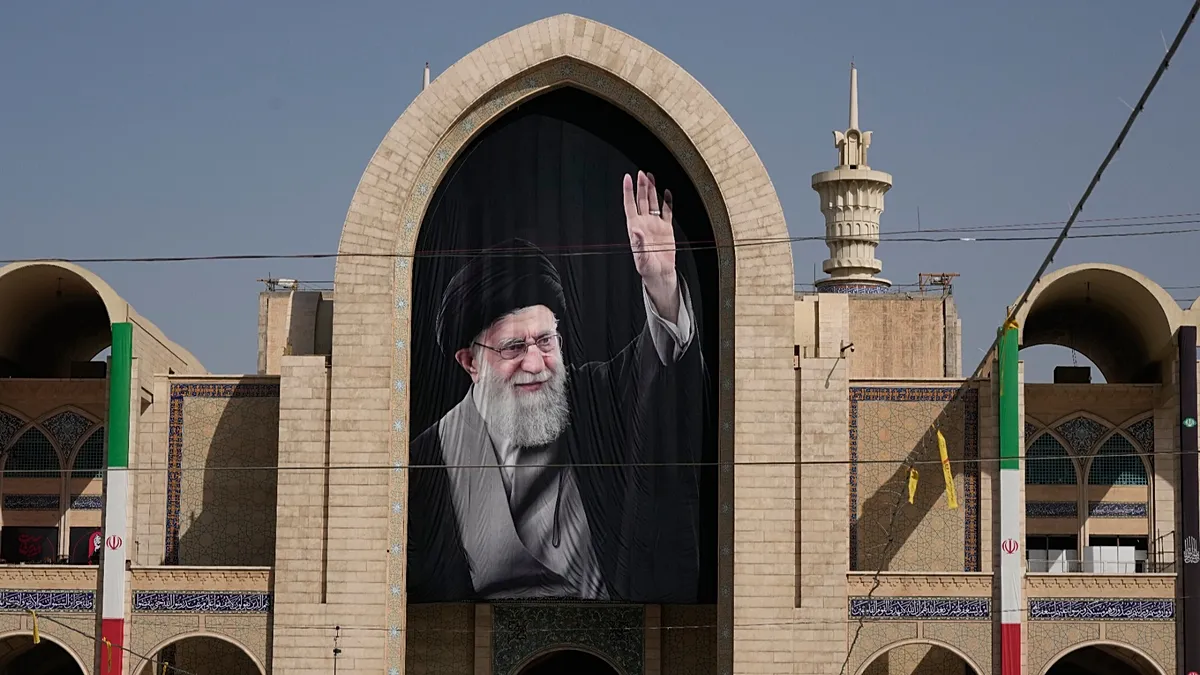
Iran to host dozens of foreign – Iran is set to welcome millions of citizens and representatives from over 30 nations for the funeral events commemorating Ali Khamenei, the country’s former Supreme Leader, who passed away in a targeted attack on his home in central Tehran on 28 February. Iranian officials confirmed the attendance of several high-profile figures, including leaders from Russia, Pakistan, and Afghanistan’s Taliban government, while notable absences include all Western countries. The funeral processions, which commenced this week, are expected to draw a diverse array of international delegations, with the focus on honoring Khamenei’s legacy amid geopolitical tensions.
Mourning Ceremonies and Symbolism
Khamenei, 86, was killed in a military strike that left his residence in ruins. His body has been displayed at Tehran’s Grand Mosalla, the nation’s largest prayer complex, for three days as part of the mourning rituals. Earlier this week, Iranian state media released footage of a pre-funeral ceremony held on Thursday night, where attendees paid their respects. The scene featured participants draped in black, who gathered around the casket to toss scarves and other items, a tradition in Iran believed to bring blessings to the bereaved.
“Those attending are standing on the right side of history,” said Foreign Ministry spokesperson Esmaeil Baghaei. “They have shown solidarity with Iran’s cause, while European governments have taken a shameful stance toward US and Israeli military actions.”
The event also highlighted the cultural and religious significance of the red flag with white calligraphy, known as the “Ya Hussein” banner. This symbol, commonly associated with Shiite Islam, marks the martyrdom of Imam Hussein, the Prophet Muhammad’s grandson. The flag, which has flown over Karbala’s Imam Hussein shrine in Iraq, was draped over Khamenei’s casket, representing both the loss of innocent lives and a call for retribution.
International Delegates and Their Roles
The list of attendees, published by Iranian state media, includes representatives from a wide range of countries. Russia is sending former President Dmitry Medvedev as a special envoy of President Vladimir Putin, while China has dispatched a senior official from its National People’s Congress. Afghanistan’s Taliban administration will be represented by acting Foreign Minister Amir Khan Muttaqi, and there are indications that Pakistan’s Prime Minister Shehbaz Sharif and army chief Asim Munir may also join the event.
From Iraq, President Nizar Amidi and parliamentary speaker Haibet al-Halboosi are expected, along with Nechirvan Barzani, the prime minister of the Kurdistan Region. Turkey’s Vice President Cevdet Yılmaz will attend, as will representatives from Azerbaijan, where parliamentary speaker Sahiba Gafarova is leading the delegation. Some reports suggest that President Ilham Aliyev might also be present.
Other nations contributing to the gathering include Armenia, Georgia, and Tajikistan. Armenian Prime Minister Nikol Pashinyan, Georgian President Mikheil Kavelashvili, and Tajik President Emomali Rahmon are among the invited guests. Kazakhstan’s deputy Prime Minister and Foreign Minister Yermek Kosherbayev, as well as Turkmenistan’s Gurbanguly Berdimuhamedow, chair of the People’s Council, are also set to participate. Delegations from Bangladesh, led by Prime Minister Tarique Rahman and parliamentary speaker Hafizuddin Ahmed, have been confirmed, while Malaysia is represented by Agriculture Minister Mohamad Sabu after Prime Minister Anwar Ibrahim cited prior commitments as a reason for his absence.
Representatives from Oman, Qatar, Belarus, Kyrgyzstan, Uzbekistan, Egypt, Ghana, Nicaragua, the Democratic Republic of Congo, Serbia, and Cuba are anticipated. Iranian media also mentioned possible attendance from Tunisia, Lebanon, Namibia, Sri Lanka, Myanmar, the Gambia, and Thailand. Additionally, delegates from the Shanghai Cooperation Organisation and the Economic Cooperation Organisation will be present.
Political Context and Invitations
Baghaei clarified that no European nations had received formal invitations, citing their perceived alignment with US and Israeli policies. “Countries that Tehran views as having adopted an inappropriate position on the strikes are excluded,” he stated. This decision underscores the political messaging behind the event, with Iran emphasizing its resistance to foreign intervention.
The mourning ceremony serves as a platform to reaffirm alliances and critique global powers. Attendees are expected to include not only heads of state but also key figures from Iran’s civilian government, such as Parliament Speaker Mohammad Bagher Ghalibaf, Foreign Minister Abbas Araghchi, and President Masoud Pezeshkian. These leaders, along with the bereaved family members of Khamenei, will participate in the proceedings.
The list of honored individuals includes Khamenei’s son-in-law, eldest daughter, a 14-month-old granddaughter, and the wife of Iran’s new Ayatollah Mojtaba Khamenei, the son of the previous leader who remains in hiding after sustaining injuries during the attack. The inclusion of these personal connections adds emotional depth to the event, highlighting the profound impact of Khamenei’s passing on both the political and familial spheres.
As the funeral ceremonies progress, the presence of these international figures signals Iran’s determination to project unity and strength. The absence of Western nations, however, is seen as a deliberate choice, reflecting Iran’s stance against perceived Western bias in the conflict. The rituals, steeped in tradition and symbolism, will culminate in a display of national pride and collective grief, marking a significant moment in the country’s recent history.
With the event drawing attention from across the globe, the absence of European allies raises questions about the shifting dynamics of international support for Iran. The funeral, while a personal tribute, also reinforces Iran’s narrative of victimhood and resilience in the face of external aggression. As the ceremonies unfold, the country’s leaders aim to solidify their relationships with key partners while asserting their position on the global stage.