EU blacklists six individuals linked to Navalny’s poisoning
EU blacklists six people involved in Navalny – On Friday, EU member states collectively decided to impose sanctions on six Russian nationals connected to the chemical agent believed to have caused the death of Alexei Navalny while he was in custody at a prison facility. The decision follows extensive European investigations confirming that Navalny’s demise was a result of intentional chemical poisoning. The targeted individuals are all part of Russia’s military chemical weapons program, with their roles centered on the development and deployment of toxic substances like epibatidine, which was detected on his body after his death in February 2024.
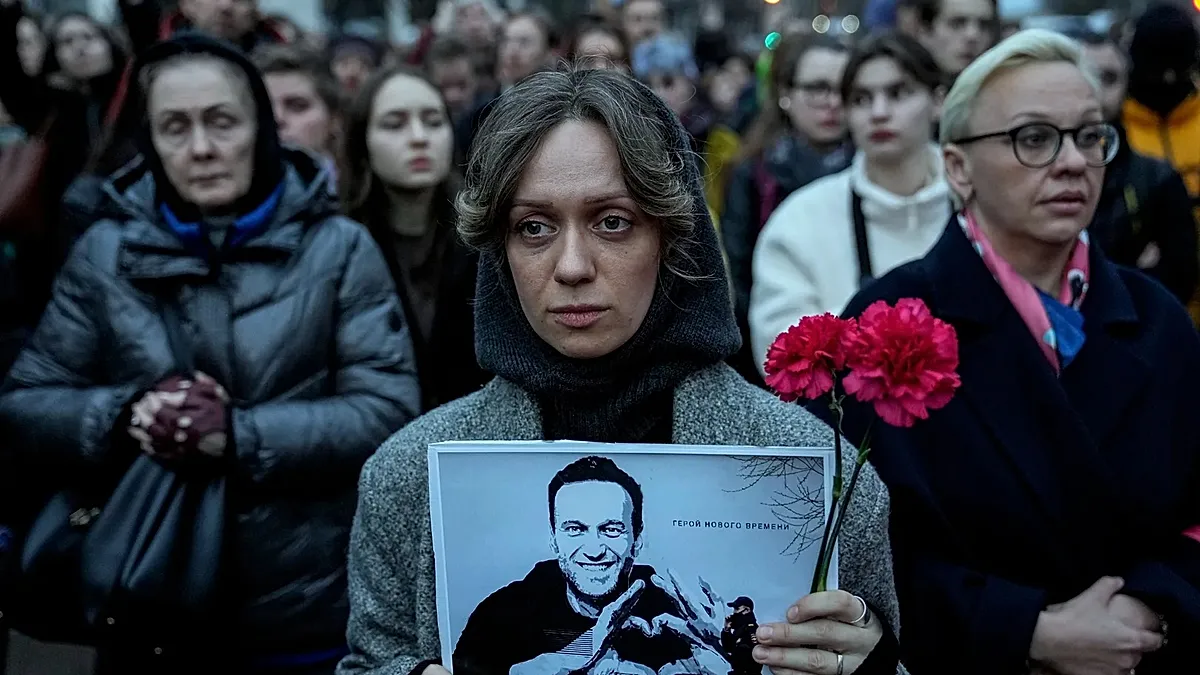
Alexei Navalny, a prominent opposition leader and anti-corruption activist, had become a symbol of resistance against Russian government policies. His arrest in 2021 stemmed from charges of fraud, which were levied after he returned to Russia following a poisoning incident in 2020. Subsequent accusations of extremism were brought against him later that year, leading to a 19-year prison sentence. He was sent to a remote Arctic maximum security facility, where he was found dead on 16 February 2024. The European Union’s analysis of the circumstances concluded that his death was not accidental but a deliberate act of chemical warfare.
The sanctioned list includes Igor Babkin, the head of Russia’s Signal Scientific Centre. This laboratory is considered a key player in the synthesis of epibatidine, a substance found in the venom of certain tree frogs. Investigators believe Babkin’s team was responsible for creating the specific variant of the toxin used in Navalny’s poisoning. Alongside Babkin, Irina Derevyagina, a chemical research analyst at the State Research Institute of Organic Chemistry and Technology, has been added to the blacklist. Derevyagina is regarded as a central figure in the development of Russia’s chemical weapons arsenal, with her work contributing to the advancement of toxic agents used in state-sponsored attacks.
Another individual on the list is Mikhail Gutsalyuk, who leads the scientific department at the Military Academy of Radiological, Chemical and Biological Defence. His role involves training military personnel on the use of chemical weapons, including the deployment of agents like epibatidine. The EU’s sanctions also target others in the program, though their specific contributions have not been detailed. These measures aim to cut off financial resources and limit the movement of individuals suspected in the poisoning case.
The sanctions freeze assets held by the individuals within the EU, including bank accounts and property. They also impose a travel ban across the entire bloc, preventing the sanctioned persons from entering any EU country. This is part of a broader strategy to hold Russian officials accountable for actions deemed harmful to European interests. The move reflects growing concerns about the use of chemical weapons in political contexts and the EU’s commitment to responding with targeted economic and diplomatic pressure.
Navalny’s poisoning has sparked international outrage and raised questions about the safety of political dissidents in Russia. His death in February 2024 marked a critical moment in the ongoing conflict between the Russian government and its opposition. The European Union’s decision to sanction these six individuals underscores its determination to address the issue, even as it continues to navigate complex geopolitical relationships with Russia.
The chemical substance in question, epibatidine, is known for its potent neurotoxic effects. It can cause respiratory failure and cardiac arrest, making it a dangerous tool for covert operations. The detection of this compound on Navalny’s body provided crucial evidence for the European investigation, which linked the substance to a deliberate act of assassination. This finding has prompted calls for further scrutiny of Russia’s chemical weapon capabilities and their use in targeting key political figures.
European diplomats emphasized that the sanctions are a direct response to the poisoning incident and the broader pattern of repression against dissent. The EU has previously sanctioned Russian officials for alleged human rights violations, but this case represents a significant escalation due to the use of a chemical weapon. The targeted individuals are not only part of the military program but also have ties to intelligence agencies involved in monitoring and neutralizing opposition movements.
The decision to sanction these six people has been met with support from several EU member states, though some have raised concerns about the effectiveness of such measures. The sanctions are expected to have a dual impact: financially punishing those directly involved in Navalny’s poisoning while also sending a strong political message to Russia. Analysts note that the EU’s action aligns with its efforts to isolate Russia economically and diplomatically, particularly in light of the ongoing conflict in Ukraine.
Navalny’s death has also highlighted the risks faced by activists and journalists in Russia. His poisoning was the latest in a series of attacks against critics of the government, including a failed attempt in 2020 that left him in a coma. The EU’s sanctions are seen as a way to protect such individuals and hold those responsible accountable. The move comes as the European Union seeks to strengthen its collective response to human rights abuses and maintain pressure on the Russian regime.
European investigators have noted that the chemical weapon used in Navalny’s poisoning was likely developed through a combination of military and civilian research efforts. The Signal Scientific Centre and the State Research Institute of Organic Chemistry and Technology are believed to have collaborated in creating the compound. This synergy between scientific research and state-sponsored violence has been a point of focus in the EU’s decision to target these individuals specifically.
The sanctions are part of a larger package of measures aimed at countering Russian aggression. In addition to the six individuals, the EU has also imposed restrictions on other Russian officials and entities involved in the poisoning. These actions are intended to disrupt the chain of command and funding that enabled the attack. The European Union has reaffirmed its commitment to supporting victims of political violence and ensuring that those behind such acts face consequences.
Navalny’s legacy as a leading opposition figure continues to inspire movements across Europe and beyond. His death has intensified calls for action against the Russian government, with many advocating for increased sanctions and international legal measures. The EU’s decision to blacklist these six individuals is a testament to the growing unity among member states in addressing the issue of chemical weapon use and protecting political dissidents.
As the European Union tightens its grip on Russian officials, the focus remains on the broader implications of the poisoning. The case has become a symbol of the dangers posed by Russia’s chemical weapons program and the need for continued vigilance. The sanctioned individuals are now under the spotlight, with their roles in the development of the toxin being scrutinized for potential links to other incidents of state-sponsored poisoning.
European countries have expressed solidarity with the Russian opposition, with some leaders calling for a review of Russia’s chemical weapon activities. The EU’s actions are expected to have a ripple effect, encouraging other nations to take similar steps. The freezing of assets and travel bans are not just punitive measures but also tools to limit the movement and resources of those involved in the attack, thereby reducing their ability to operate within the EU’s jurisdiction.
Navalny’s death has galvanized international attention, with human rights organizations and governments around the world condemning the use of chemical weapons in political killings. The EU’s decision to sanction these six individuals underscores its role as a leader in addressing such violations. By taking this step, the bloc aims to reinforce its stance on accountability and deter further use of toxic substances in targeted assassinations.