Ebola’s Persistent Threat in the Democratic Republic of Congo
How bushmeat burial rites and disinformation – As of May 2026, the Democratic Republic of Congo (DRC) faces a significant resurgence of the Ebola virus, with over 100 confirmed deaths and a growing concern for global health. This outbreak, centered in the central African nation’s eastern regions, has sparked fears of a larger epidemic. The virus, first identified in 1976, continues to challenge public health systems due to its ability to thrive in densely populated and remote areas. The DRC has experienced 17 outbreaks, the most of any country, with the 2018–2020 epidemic alone accounting for nearly 2,300 fatalities. This latest episode, driven by the Bundibugyo strain, underscores the ongoing vulnerability of the region to the disease’s rapid spread.
Wildlife as the Virus’s Origin
Scientists trace the origins of Ebola to wild animals, particularly those that serve as natural reservoirs for the virus. Fruit bats, porcupines, and non-human primates like monkeys are among the species linked to initial infections. The World Health Organization (WHO) explains that human contact with infected animals—through hunting, handling, or consumption—acts as the primary pathway for the virus to enter communities. In the DRC, bushmeat remains a dietary staple, especially in rural areas where it constitutes up to 80% of protein sources. This reliance on wild animals for sustenance, combined with traditional practices, creates an environment ripe for transmission.
Geographic and Socioeconomic Factors
The DRC’s vast, dense forests—spanning over 150 million hectares—play a critical role in sustaining Ebola outbreaks. These forests, which cover more than 60% of the nation’s landmass, provide both habitat for wildlife and opportunities for bushmeat harvesting. In regions like the Congo Basin, where economic resources are scarce, hunting wild animals is not just a cultural practice but a necessity for survival. Eteni Longondo, a former DRC public health minister, emphasizes that regulating this activity is a major hurdle for health officials. “It starts from the forest, and we don’t have any control there,” he remarked, highlighting the difficulty of altering centuries-old traditions quickly.
Current Outbreak and Rebel Control
The latest outbreak primarily targets the Ituri Province, a remote area on the northeastern edge of the Congo Basin. Provincial capital Bunia and nearby mining towns such as Mongwalu and Rwampara have seen the most cases, according to the WHO. The first suspected case emerged in early April, involving a healthcare worker who developed symptoms on April 24 and succumbed to the illness at a facility in Bunia. By May 5, the organization had observed a pattern of high mortality linked to an “unidentified illness.” A rapid response team’s investigation on May 13 confirmed the presence of the Bundibugyo strain, a rare variant of Ebola that has yet to have an approved vaccine or treatment.
Meanwhile, the armed conflict in the DRC’s eastern regions has complicated containment efforts. Rebels, who control key areas like Bukavu and Goma, have reported Ebola cases in their territories. In Bukavu, a 28-year-old patient was confirmed to have died and was buried safely, while another case was identified in Goma. These developments have raised concerns about the virus’s potential to spread beyond the DRC, with neighboring Uganda reporting two laboratory-verified infections in its capital. The cases involved individuals who had traveled separately from the DRC, indicating that the virus is now active across borders.
Superstition and Disinformation
Amid the outbreak, local communities are grappling with fear and confusion. Valet Chebujongo, a community mobilizer based in Bunia, noted that panic stems less from the virus itself than from widespread misinformation. “People are panicking,” he said, explaining that rumors have taken root, such as the belief in a “phantom coffin” that allegedly causes instant death upon being seen. Such superstitions not only heighten anxiety but also hinder efforts to implement preventive measures. “In Mongwalu, people are saying that there is a circulating (phantom) coffin that brings instant death by merely seeing it,” Chebujongo added, underscoring the cultural barriers to effective public health communication.
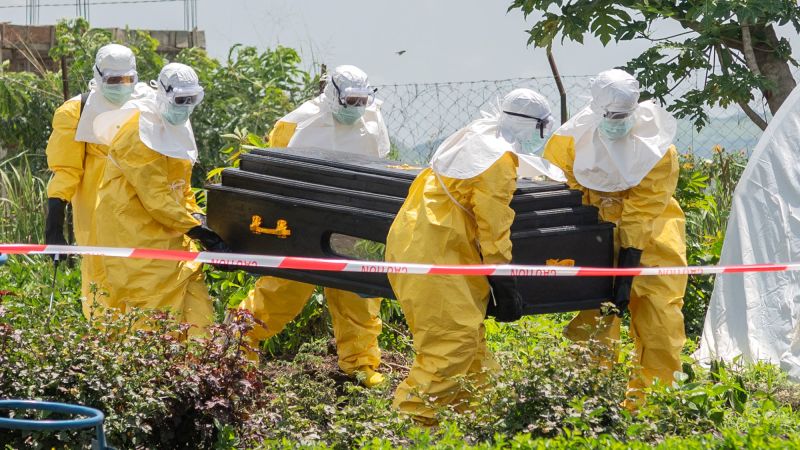
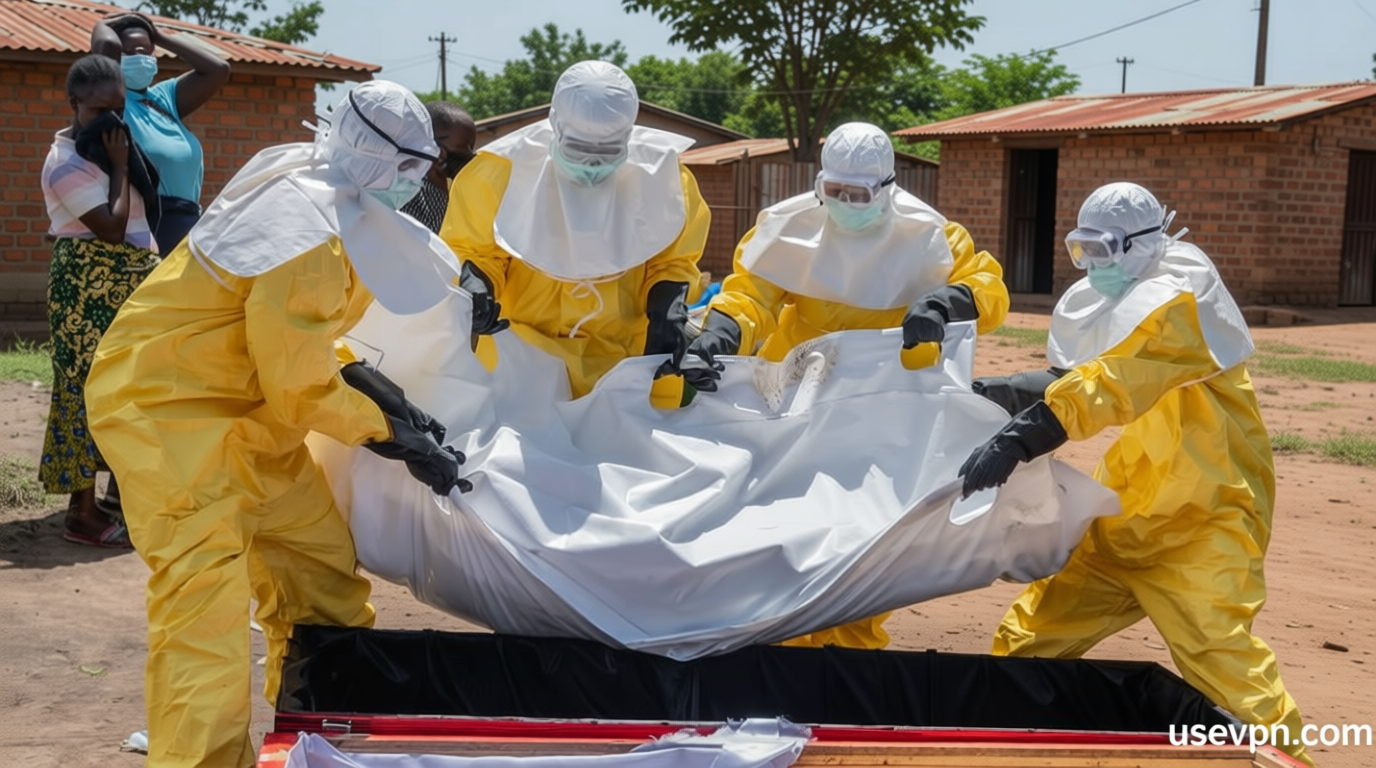
Traditional burial rites, which often involve direct contact with the deceased, have also contributed to the virus’s spread. In many rural communities, the act of touching or washing the body of a loved one is considered essential for mourning. This practice, however, increases the risk of transmitting Ebola, especially when the virus is present in the body fluids of the deceased. The combination of these rituals and the lack of awareness about the disease’s transmission methods has created a perfect storm for new infections.
Challenges in Containment
Health officials in the DRC face a complex web of challenges in curbing the outbreak. The country’s geographic isolation and underdeveloped infrastructure make it difficult to respond swiftly. Additionally, the presence of armed groups in the east has disrupted health services, limiting access to medical facilities and delaying interventions. Longondo described the situation as a “vital food source” that poses a dual threat: it sustains livelihoods but also serves as the main entry point for the virus. “You cannot tell people to stop with their culture, and then they just stop right away,” he said, noting that many families depend on bushmeat for daily sustenance and have no alternative to rely on.
Compounding these issues is the nation’s deep poverty. Over 80% of the DRC’s 100 million citizens live in extreme conditions, with limited access to healthcare and education. The east, in particular, has been hit hard by rebel activity, which has displaced millions and exacerbated food shortages. This scarcity of resources drives people to seek bushmeat as a primary protein source, further entrenching the cycle of transmission. The WHO has warned that without coordinated efforts to address these root causes, the outbreak could worsen, affecting both local populations and global health security.
Global Implications and Response
As the virus spreads beyond the DRC, international attention is intensifying. The Bundibugyo strain, while less common than the Zaire variant, has demonstrated a capacity for rapid transmission in human populations. This has led to urgent calls for increased support in the form of medical supplies, personnel, and funding. Meanwhile, the DRC’s health ministry is working to educate communities about the virus’s origin and how to prevent its spread. However, the success of these efforts hinges on overcoming cultural and logistical obstacles.
Despite the challenges, there is hope that the outbreak can be contained. The WHO and local health workers are collaborating to trace contacts, isolate patients, and promote hygiene practices. Yet, the situation remains fragile, with misinformation and traditional practices continuing to pose risks. The DRC’s experience with Ebola highlights the importance of addressing both biological and social factors in the fight against the disease. As the virus moves through dense forests and into urban centers, the world watches closely to see how this latest challenge is managed.
The persistence of Ebola in the DRC is a testament to the interconnectedness of environmental, economic, and cultural factors. While the Bundibugyo strain may be rare, its impact is significant in a region where bushmeat is a lifeline and where misinformation can turn fear into chaos. For now, the battle against the virus is not just about medical intervention but also about changing deeply rooted behaviors and rebuilding trust in public health systems. As the WHO continues its efforts, the DRC’s struggle with Ebola serves as a stark reminder of the ongoing global health challenges that require both science and community engagement.